
China vs. Vietnam Furniture Sourcing: What Buyers Should Compare
A buyer-focused framework for comparing China and Vietnam furniture sourcing by project fit, supplier capability, components, quotations, production, logistics and trade requirements.

Choosing between China and Vietnam for a furniture sourcing program should start with the product and project requirements, not with a country-level assumption about cost, quality or lead time. Two quotations are not truly comparable when they describe different materials, hardware, finishes, packaging, order quantities or delivery terms. The same is true of broad claims about craftsmanship, capacity or supply-chain strength: country context may help form questions, but it does not prove that a particular supplier can execute a particular program.
A useful comparison therefore asks which location—and which supplier within that location—fits the defined product, development work, component requirements, production plan, packaging, destination and commercial assumptions. Some programs may suit one location; others may use suppliers or components from more than one. There is no universal country winner.
Start with the Furniture Project, Not the Country
Begin with one brief that can be sent to candidate suppliers in both sourcing locations. Identify the furniture category, construction type, materials, dimensions, finish, hardware and assembly concept. Add the target quantity, SKU mix, private-label scope, sample expectations, target market and sales channel. If flat-pack construction or multi-carton delivery is being considered, include it as a design and packaging requirement rather than assuming every supplier will quote the same structure.
Keep uncertainties visible. A buyer may not know the final board specification or carton structure at the first inquiry, but each open point should be listed so suppliers explain their assumptions. Otherwise an apparently attractive comparison may only reveal that one quotation excludes work included by another.
Compare Product and Manufacturing Fit
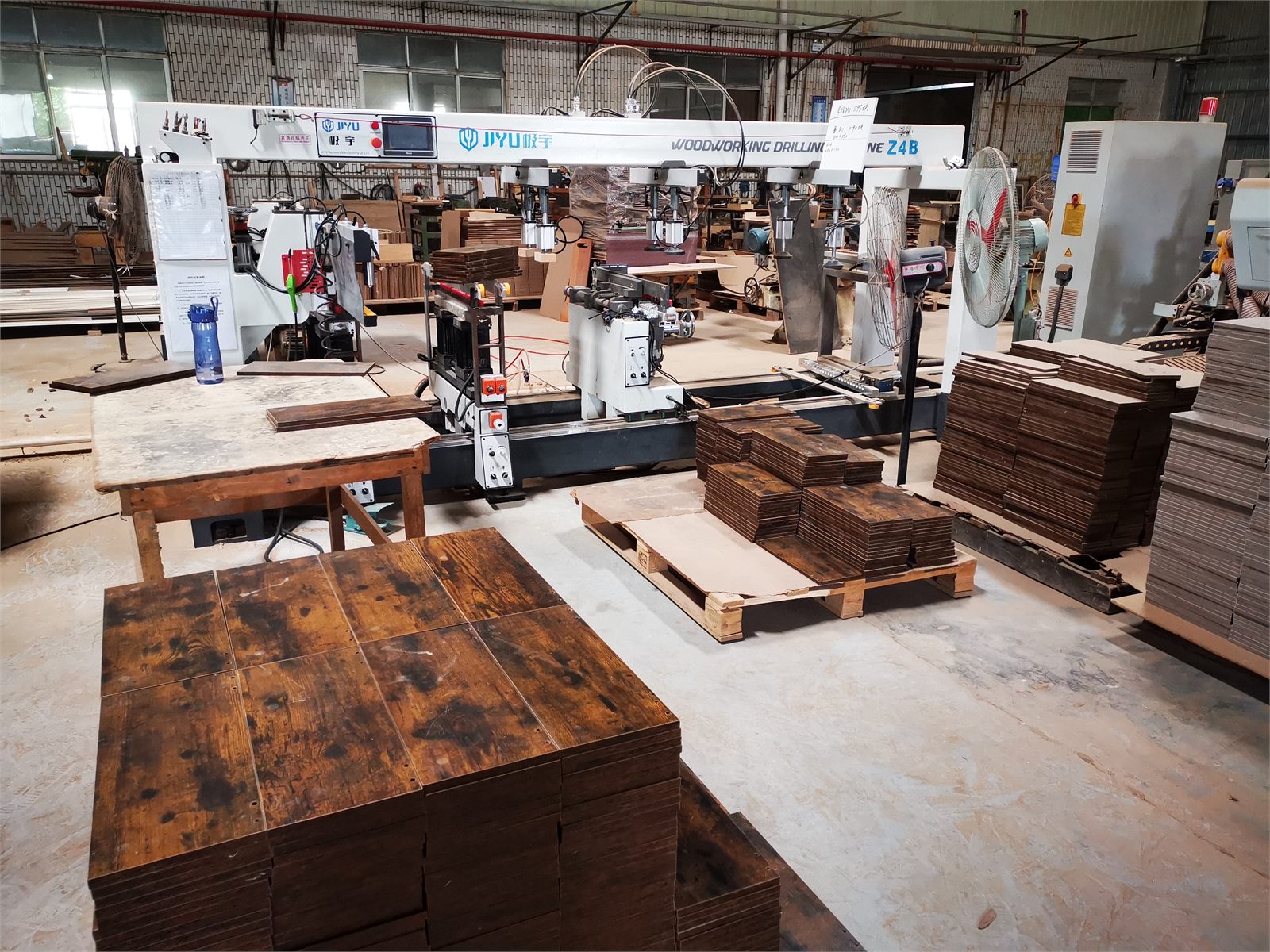
Evaluate whether each supplier’s actual equipment, process knowledge and production history fit the intended construction. A panel-based flat-pack cabinet, an upholstered item, a solid-wood table and a mixed metal-and-engineered-wood product create different questions. Relevant evidence can include comparable samples, process records, equipment suited to the construction, drawings, assembly trials and examples of controlled production—not merely a statement that a country is known for a category.
Ask how the product would be cut, formed, joined, finished, assembled and packed. For mixed-material furniture, review the interfaces between boards, metal frames, connectors and visible surfaces. For ready-to-assemble designs, examine hole positioning, hardware identity, assembly sequence and the packed set. These checks reveal project fit at supplier level without claiming that every factory in either location has the same capabilities.
Review Materials, Components and Supply-Base Requirements
Map the inputs required by the design: boards or panels, solid wood where relevant, metal parts, hardware, fittings, upholstery materials, coatings, labels and packaging materials. Then ask which items are produced in-house, purchased locally, imported or outsourced. The number of steps between a supplier and its supporting vendors may affect coordination, but proximity alone does not prove lower price, faster delivery or better quality.
For critical components, compare exact specifications, approved alternatives, order constraints and replacement procedures. Confirm how a supplier controls substitutions and how a component change is communicated before it reaches bulk production. Country-level supply-base information is useful as context for these questions; the decisive evidence remains the source, specification, availability and control plan for the actual component.
Compare Product Development and Sample Execution
A supplier comparison should show how each team turns the same brief into a controlled reference. Review who interprets drawings, records open questions, confirms materials and hardware, integrates packaging and manages revisions. Compare what is included in sample terms, how many stages are expected and what evidence closes each revision. A fast first response is not the same as a dependable development process.
Use the sample to test construction, assembly, appearance and pack-out assumptions that matter to the program. Keep the latest drawing, bill of materials, finish reference, hardware list, manual and packaging definition aligned. The Private Label Furniture Development guide covers the brief-to-production-reference process in more depth; this comparison only asks how well each candidate can execute that process for the same project.
Compare Quotations on the Same Assumptions
Unit price is meaningful only when the quoted scope is aligned. Place the China and Vietnam offers against a common comparison sheet. Check the product specification, material grades, finish, hardware, packaging, quantity, MOQ, SKU mix, tooling or setup, sample terms, testing or documentation scope, exclusions, payment basis and delivery term. Record whether freight, local charges or destination costs are included rather than treating an incomplete quote as cheaper.
Ask suppliers to mark every deviation from the brief and separate required items from optional alternatives. If one quotation changes the board, simplifies hardware or assumes a different carton, keep that offer as a variant rather than comparing it directly with the base specification. Labor or land-cost headlines do not establish the final furniture cost; supplier process, yield, purchased components, packaging, order structure, commercial terms and logistics all contribute to the actual project economics.
| Comparison Area | What Buyers Should Compare | What Must Be Verified at Supplier/Project Level |
|---|---|---|
| Product / construction fit | Category, structure, materials and process requirements | Comparable work, equipment, sample evidence and process ownership |
| Materials / components | Required boards, metal parts, hardware, finishes and outsourced inputs | Exact specification, source, availability, alternatives and substitution control |
| Development / sample process | Drawing, sample, revision and approval assumptions | Named owners, records, included stages and closure evidence |
| Quotation assumptions | Specification, quantity, terms, inclusions and exclusions | Line-by-line alignment and documented deviations |
| MOQ / order structure | Quantity by SKU, finish mix and order frequency | Supplier-specific MOQ, setup constraints and mixed-SKU feasibility |
| Production planning | Material readiness, supplier loading and coordination needs | Capacity for the intended order and a current production schedule |
| Packaging | Flat-pack or assembled format, protection, labels and manuals | Approved pack-out, carton data and channel-specific requirements |
| Logistics | Origin, route options, cargo profile and delivery basis | Live freight quote, service scope, route and destination charges |
| Trade / import requirements | Classification, origin, duties, trade measures and product requirements | Current applicability for the exact product, destination and shipment |
Review Production Planning, Packaging and Order Structure
Confirm planned quantity by SKU, finish and shipment, then ask each supplier how material purchasing, component arrival, production loading and packaging preparation fit that order. Capacity should be verified for the intended period; national output or factory size does not reserve a production slot. Lead time should likewise be broken into development, material readiness, production, inspection, packing and transport rather than treated as a permanent country characteristic.
Packaging belongs in the comparison because it connects product design with handling and the sales channel. Align the flat-pack or assembled format, internal protection, hardware packs, instructions, labels, carton dimensions and any multi-carton identification. MOQ is also a supplier- and project-specific commercial condition. Ask what drives it—materials, finish batches, hardware purchases, setup or carton printing—rather than assuming one location always accepts smaller orders.
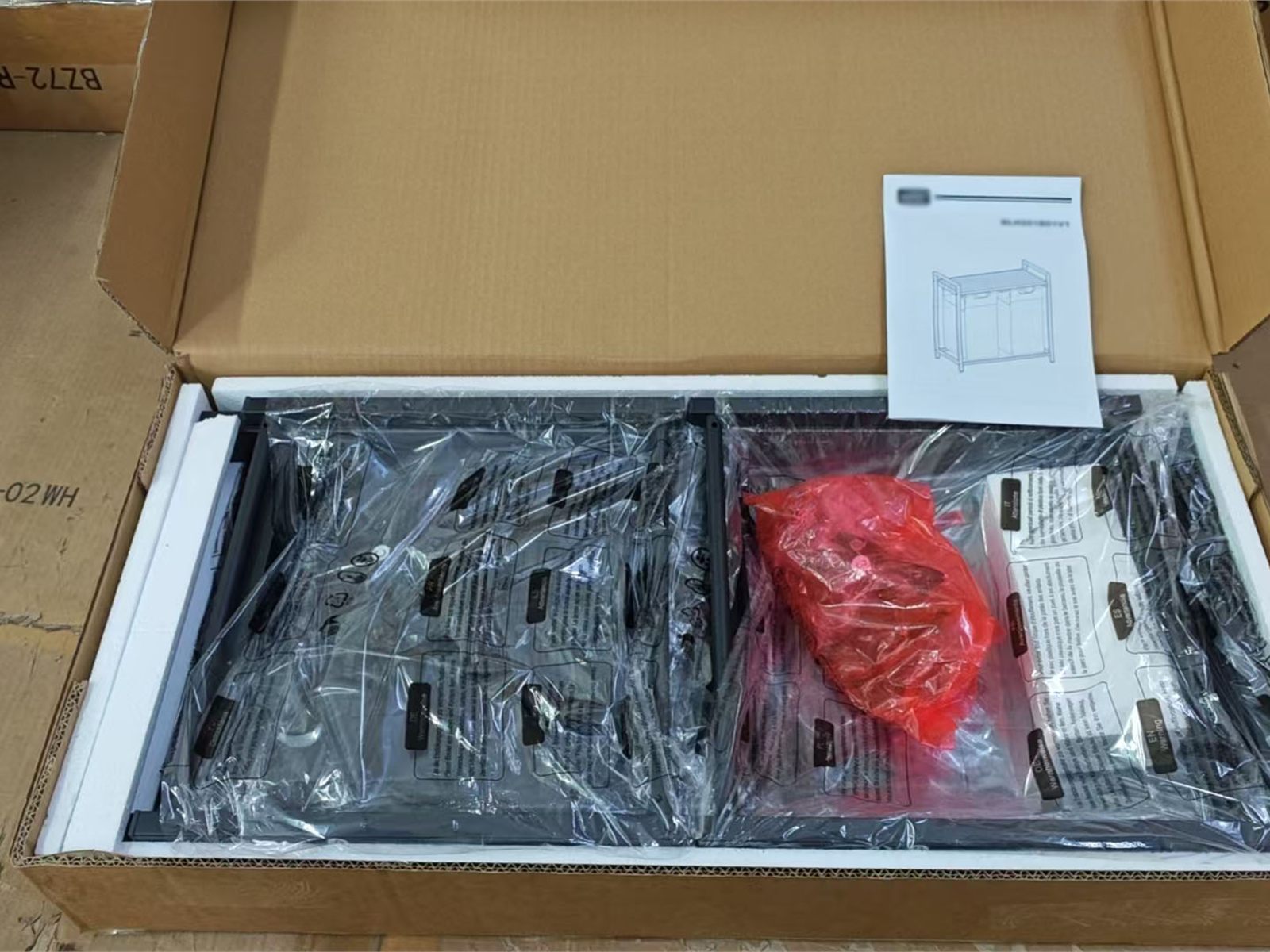
Inspection evidence remains tied to the approved reference and order. Review what the supplier checks, when the checks occur, how deviations are recorded and who approves a resolution. The Furniture Quality Control guide owns the detailed inspection framework; country selection should simply confirm that the proposed QC approach is suitable and evidenced.
Compare Logistics and Trade Requirements by Destination
Compare logistics for the actual destination, cargo profile and intended shipment window. Request live route and freight assumptions, identify the origin point and delivery basis, and clarify forwarder and destination responsibilities. Route availability, charges and transit plans can change; a fixed country-to-market figure is not a reliable project rule.
Trade treatment must also be checked at product level. Customs duties and other measures may depend on classification, origin, customs value, destination and current legislation. The European Commission’s customs-tariff guidance describes those inputs for EU imports, while the WTO overview of rules of origin explains why origin rules matter to preferential treatment and trade measures. Participation in a trade agreement does not by itself prove that a furniture shipment receives a lower duty.
Before relying on a tariff preference or assessing a trade remedy, verify the exact product scope, destination, origin criteria, supporting documents and current official requirements. Product safety, labeling, documentation or certification needs should be defined for the intended market and supported by applicable evidence. This article does not assign a universal tariff, compliance or logistics advantage to either country.
China vs. Vietnam Furniture Sourcing Checklist
- The same project brief is used for both sourcing locations.
- Product and construction requirements are defined.
- Materials and critical components are identified.
- Supplier capability evidence has been reviewed.
- Sample and development assumptions are compared.
- Quotation assumptions and exclusions are aligned.
- MOQ and order structure are confirmed by supplier.
- Packaging and channel assumptions are aligned.
- Capacity and the current production schedule are confirmed.
- The proposed QC approach and evidence are reviewed.
- Live freight and destination import assumptions are checked.
- Current trade, origin and compliance requirements are verified.
A completed checklist does not force one country choice. It creates a comparable record. The decision may favor one supplier for one SKU family, another for a different construction, or a mixed supply strategy when component, capacity or risk requirements justify it. Any mixed strategy still needs clear responsibility for interfaces, specifications, quality evidence and shipment coordination.
How Country Selection Fits into the Wider Furniture Sourcing Process
Country selection is one decision inside a broader sourcing program. It does not replace product definition, supplier evaluation, sample approval, production control, inspection, packaging or import planning. The Furniture Sourcing Guide connects those stages and shows where this location comparison belongs.
The better sourcing location depends on the product, specification, supplier, component requirements, order profile, destination market and commercial assumptions. Use country context to ask better questions, then base the decision on current supplier and project evidence.
When the project brief is clear, use the HOMVND Furniture Collections to review product directions that can inform the next supplier conversation.