
Private Label Furniture Development: From Brief to Production
A practical eight-step guide to private label furniture manufacturing, covering specifications, MOQ, sampling, packaging, quality control and repeat orders.
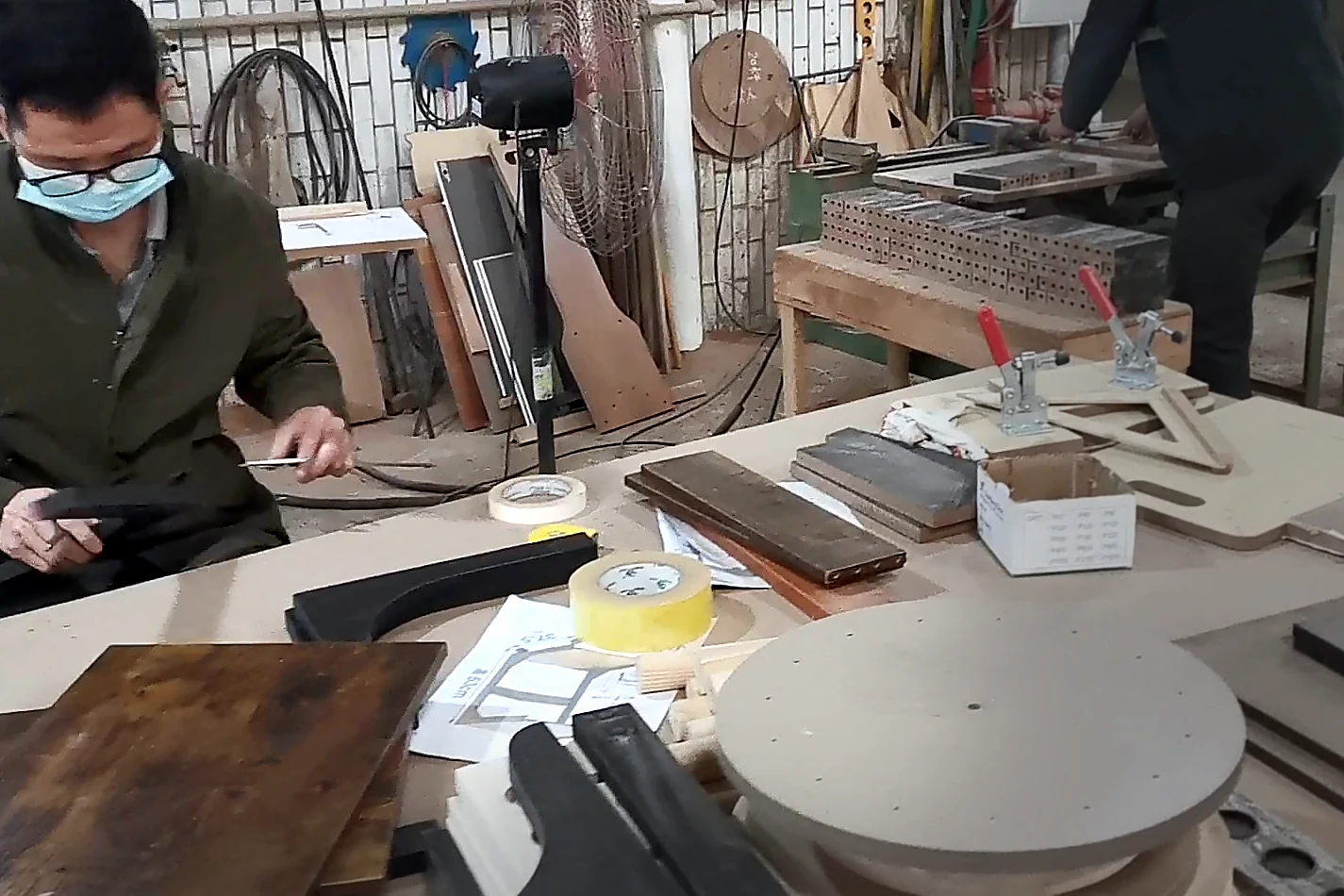
A private-label furniture project becomes production-ready only after the initial product brief is converted into documented requirements that can be sampled, revised and approved. A reference photo, product link, existing model or sketch can start the discussion, but none of these is a complete production specification by itself.
Private label describes the buyer-facing brand relationship; OEM/ODM describes how product definition and development responsibilities may be divided. In either case, the practical task is the same: turn the intended product into a current reference for dimensions, materials, finish, hardware, construction, assembly, packaging and any applicable labels or project evidence.
- Define the product brief and open decisions.
- Build a working furniture specification.
- Align materials, construction and flat-pack details.
- Review a physical sample against the documents.
- Record revisions and their downstream effects.
- Close the approved reference before production release.
Start with a Product Brief That Defines the Project
The product brief establishes what is being developed and why. It can identify the product or category, intended market and sales channel, user need, approximate dimensions, required functions, material and color direction, expected quantity context, packaging expectations and target timing. A buyer can provide an image, product link, sketch, drawing, existing sample or written specification as the starting reference.
The brief should also separate fixed requirements from preferences and unresolved items. For example, an outer dimension may be fixed by the intended space while the shelf layout remains open; a finish direction may be approved while the exact visible reference is still pending. Recording that difference prevents an early assumption from being treated as a final decision.
A brief is therefore a decision map, not a production document. It helps the project team assess feasibility, identify missing inputs and decide what must be developed or confirmed before a quotation, sample or production plan can refer to the same product.
Turn the Brief into a Working Furniture Specification
The working specification translates the product direction into information that development, sample review, production and QC can share. Depending on the item, it may identify assembled dimensions, component dimensions, part identities, construction relationships, materials, finish, hardware, hole or connector relationships, assembly information, packaging requirements and brand or label details.
These fields should be specific enough for the current project. “Wood-look board,” “black hardware” or “standard carton” leaves too much room for interpretation. The document should point to the approved material, visible finish reference, hardware identity and packaging assumptions that apply to the SKU. When a value is still open, mark it open rather than filling it with an unapproved default.
The format can vary. A project may use a specification sheet, drawing, parts list, finish reference and supporting files rather than one master document. What matters is that each requirement has an identifiable current source and that different documents do not silently describe different versions of the product.
Confirm Materials, Finish, Hardware and Construction
Materials, finishes, hardware and construction need to be reviewed as connected product decisions. A material choice affects the component definition and may affect machining, edge treatment, fastener selection, packed weight or visible appearance. A finish decision needs a named color or surface reference; descriptive words alone may not provide a stable comparison for sampling and production.
Hardware records should distinguish the component, quantity and connector relationship that apply to the current version. Construction records should show how panels, frames, shelves, supports, doors, drawers or other components relate. The goal is not to create one universal furniture standard, but to make the project’s interfaces clear enough to review.
If a destination market, customer or SKU requires particular testing, labeling, chemical evidence or certification support, define the applicable requirement, evidence and responsible party in the project record. Do not assume that one certification or test scope applies to every item or market.
Review Flat-Pack Structure, Assembly and Packaging Together
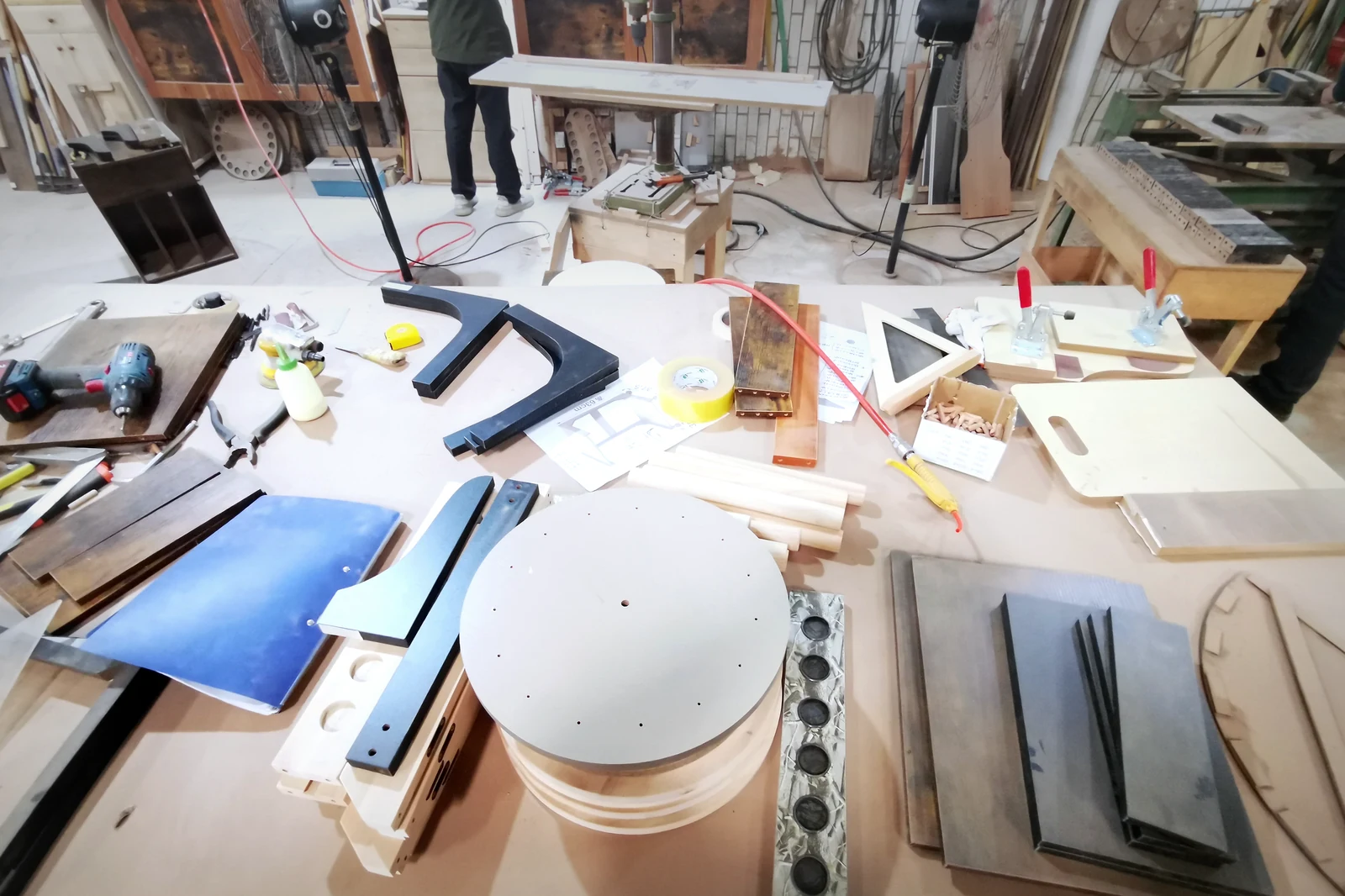
Flat-pack furniture development should consider the knocked-down product and the assembled product together. Component size, joint design, connector access, part orientation and assembly sequence affect whether the item can be packed logically and assembled from the supplied hardware and instructions.
Packaging assumptions should enter the development process before the product is treated as finished. The team may need to review carton dimensions, internal protection, hardware placement, part separation, pack arrangement, manual and label requirements, and the handling context for the intended channel. A product change can alter more than the visible furniture: it may also change the carton, protection layout and assembly information.
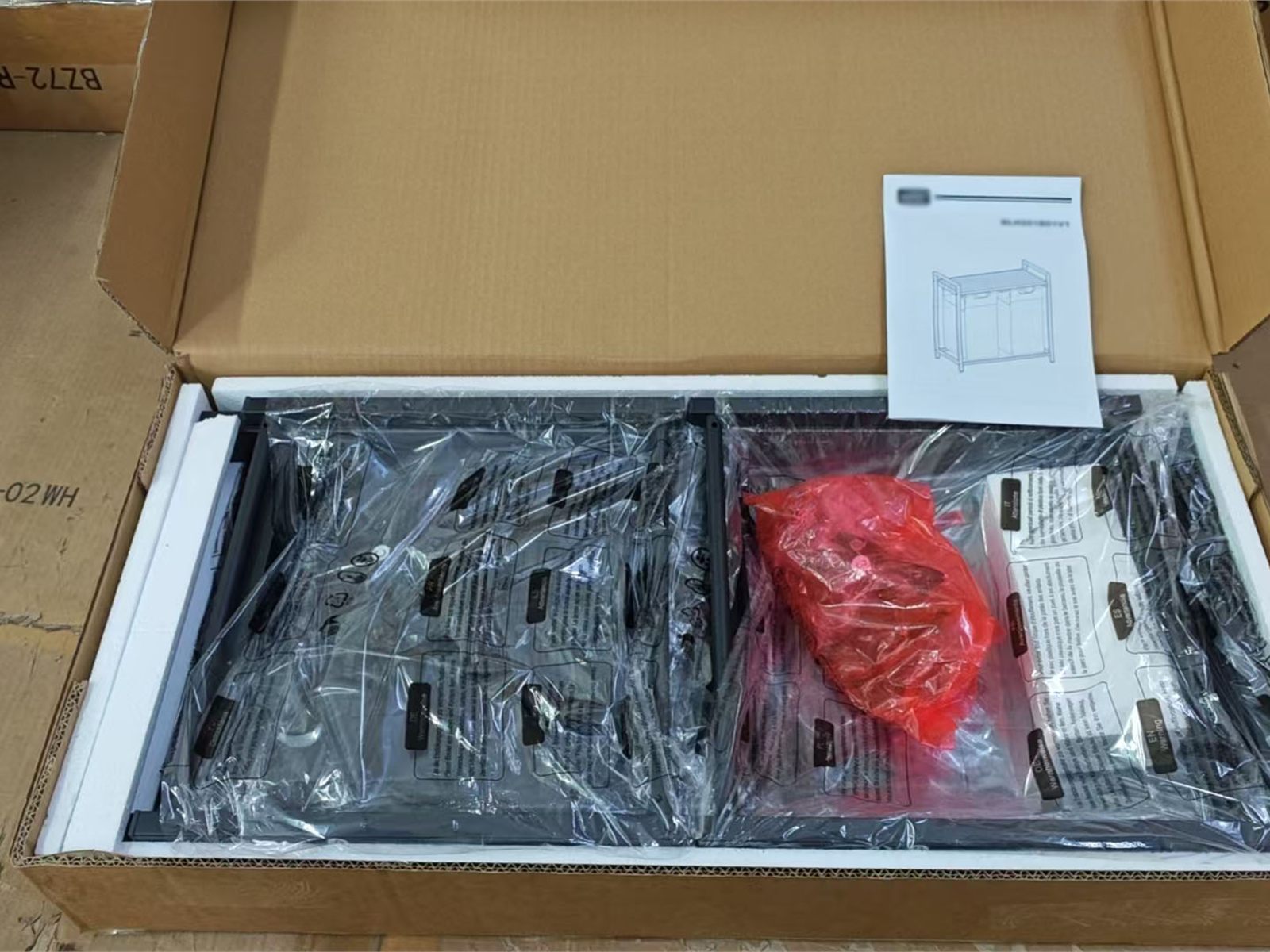
The separate furniture packaging and EU PPWR article covers packaging optimization and its own evidence boundaries. Here, packaging appears only as a development input that must remain aligned with the product version.
Use the Sample to Validate the Specification
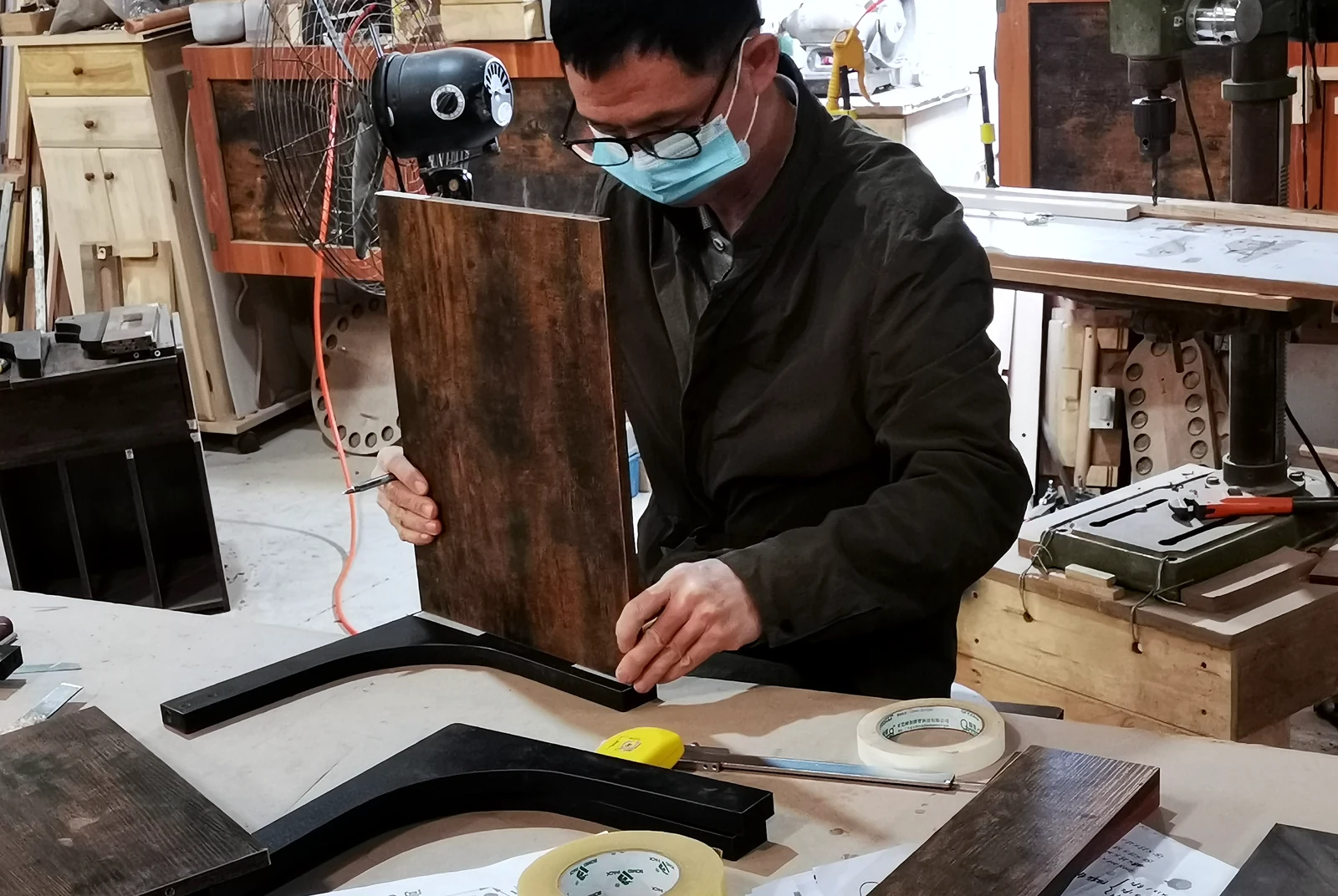
A sample should be reviewed against the working specification rather than judged only by appearance. The review can cover dimensions and proportions, material and finish, component fit, assembly sequence, hardware, applicable door or drawer operation, product function, packing assumptions and consistency with the current manual or drawing.
The sample may reveal that a documented requirement needs to change. That is part of development, but the physical adjustment should not become an undocumented production instruction. If a hole is moved, a connector changes or a panel is trimmed during sampling, the corresponding drawing, component definition, hardware record, manual or packaging reference should be reviewed and updated where affected.
Sample approval should identify what was approved and what remains open. It may refer to the physical sample, dated images, a finish reference or a review record, depending on the project. Approval of appearance does not automatically approve packaging, instructions or every unseen component relationship.
Control Revisions Before Production Approval
Revision control connects individual changes to the rest of the furniture system. Each revision should identify what changed, the affected component, the drawing or specification impact, hardware impact, assembly impact, packaging impact, approval status and current version.
Consider a cabinet width change. The edit may affect the top, base, shelves and back panel; door position and gaps; hole locations; rails or other hardware; carton arrangement; and the manual drawing. Updating only the outer dimension leaves the project with several conflicting product definitions.
The revision record does not need to be complicated. It needs to make the active version unambiguous and keep superseded information from returning through an older drawing, manual, hardware list or sample note. Changes that do not affect a field can be recorded as reviewed with no update required.
Version alignment in practice: HOMVND Furniture Evidence Case 01 records a single panel revised first into two parts and then into three. Each structural change required corresponding connector quantities, hardware lists, assembly instructions and packaging specifications. This is why a private-label sample should be approved as one version-controlled system rather than as appearance alone. See the documented furniture engineering example.
Close the Approved Production Reference
Before release, identify which references production and inspection should use. Depending on the project, the approved production reference may include the current specification, drawing, approved physical sample or documented sample reference, finish reference, hardware list, assembly information, packaging specification, label or artwork file and revision record.
Not every project uses the same documentation pack, and one document does not need to contain every decision. The control point is that the active references agree, open items are visible and the approval status is recorded. If a sample and drawing differ, the team should decide which reference governs instead of asking production or inspection to infer the answer.
Once released, QC should compare the item and pack-out with this current reference. The Furniture Quality Control guide explains that inspection task in more detail without turning this development article into a full QC checklist.
What Should Buyers Confirm Before Production Release?
Use this checklist as a project closeout prompt. Each item should point to the relevant current document or approved reference rather than a verbal assumption.
- The product brief is closed or remaining open items are named.
- The current specification or controlling document set is identified.
- Assembled and applicable component dimensions are confirmed.
- Project materials are confirmed.
- The finish or visible reference is confirmed.
- Hardware identities, quantities and interfaces are confirmed.
- Construction and flat-pack relationships are reviewed.
- Assembly information matches the current product version.
- The approved sample or sample reference is identified.
- Packaging requirements and pack arrangement are confirmed.
- Manual, artwork and labels are current where applicable.
- Revisions are closed and the production reference is current.
A release checklist does not guarantee that every later unit will conform. It establishes the documented reference that production follow-up and inspection can use, and it reduces the ambiguity created by mixed versions or unresolved approvals.
How Private-Label Development Fits into Furniture Sourcing
Private-label development owns the execution path from brief to approved production reference. It does not replace supplier due diligence, full sourcing strategy, regulatory review, commercial negotiation, inspection planning or logistics. The Furniture Sourcing Guide provides the broader framework and shows where development sits among those decisions.
HOMVND accepts OEM/ODM furniture projects and can review an image, product link, specification or other reference. As project context, furniture MOQ typically starts from 200 pieces; samples are typically 7–10 days; and standard production is generally 35–45 days after specifications and approvals are confirmed. Actual requirements and timing depend on the product, customization, approval status, material availability and production schedule.
The useful outcome of development is not a broad promise about speed, quality, margins or market performance. It is a traceable product definition that the buyer and project team can sample, revise, approve and use as the basis for production release.
When the development process is clear, use the category hub to review current furniture ranges and product directions.
Explore Furniture Collections