
Furniture Supplier Performance: What Buyers Should Review Before Repeat Orders
Seven reasons furniture suppliers lose repeat orders—and a practical evaluation checklist for importers, retailers and e-commerce brands.
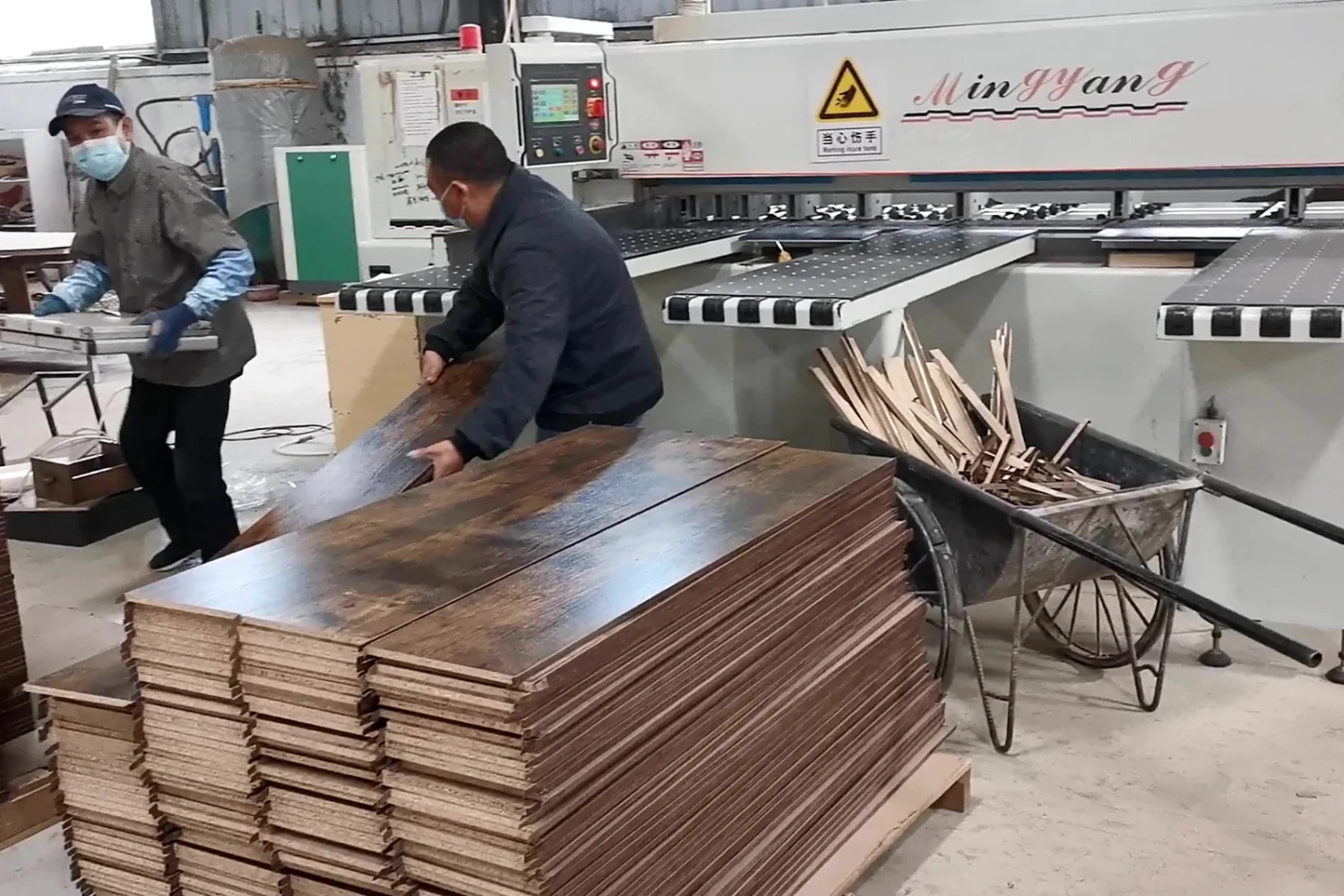
A successful first order does not by itself show whether a furniture supplier can reproduce the same approved requirements on future orders. It creates evidence that buyers can use: the current specification, approved references, production and inspection records, assembled result, packed configuration and any decisions made when the first order differed from plan.
Furniture supplier performance, in this post-first-order context, means the ability to work from the current approved product definition and make changes visible. The review is not a new-supplier screening exercise and it is not a promise that later production will be identical. It asks whether the next order can be compared with a clear baseline, whether revisions are controlled and whether deviations can be traced to a decision and closure record.
Treat the First Order as a Production Baseline
The first order can become a production baseline when its approved and observed references are brought together. A physical sample may be part of that baseline, but it should not stand alone. The sample may not show which drawing version governed, which hardware was approved, what was inside the carton or which changes were accepted during production.
A useful baseline identifies both the product definition and the evidence from the completed order. Depending on the project, that can include the approved specification, drawing, sample or dated visual reference, finish reference, hardware list, assembly information, packaging reference, labels or artwork, QC records and approved revisions. The aim is not to create the same document pack for every SKU; it is to make the controlling references unambiguous.
If the baseline is incomplete, record the missing field instead of treating memory, an old message or a similar SKU as approval. The detailed path used to build an initial production reference belongs in the Private Label Furniture Development guide; the repeat-order task begins with that reference already established.
Check Whether the Approved Specification Remains Current
Before a repeat order is released, identify the current specification by document name, revision or approval date. “Same as before” is not precise enough when several drawings, sample notes or packaging files exist. The buyer and supplier should be able to point to the same active set and distinguish it from superseded versions.
The review can cover assembled and component dimensions; project materials and finish; construction; hardware and component identities; hole, connector or fitting relationships; assembly sequence; packaging; and any applicable manual, label or artwork. The fields depend on the SKU. Board thickness, hardware grade, tolerances, load values and test methods should come from the named project requirement rather than a universal furniture rule.
Requirements for testing, labeling, chemical evidence or certification support are also project-specific. Confirm the applicable market, product scope, current evidence and responsible party instead of treating one certificate or report as proof for every repeat order. If a document has expired, changed scope or never covered the SKU, it should not remain in the baseline by assumption.
Review Changes Before They Become Repeat-Order Drift
A later order may require a legitimate change because a component is unavailable, the buyer revises a feature, the assembly sequence is improved or the packaging reference changes. The risk is not change itself. The review problem is an invisible or partly implemented change that leaves the product, pack and documentation on different versions.
For each proposed change, record what is changing, why it is changing, which SKU or order is affected and who needs to approve it. Then check the related fields. A hardware substitution may affect hole size, connector fit, part count, assembly drawings, the hardware bag and inspection reference. A panel or finish change may affect dimensions, visible comparison, component identification and packaging arrangement.
The final decision should identify the effective version and whether old inventory, files or samples remain valid. A change log can be simple, but the outcome needs to be clear: approved, rejected, still open or not applicable. That keeps an older BOM, manual, drawing or packaging instruction from returning unnoticed on a later order.
Compare QC Evidence Across Orders
Repeat-order review uses QC evidence comparatively. The question is whether the current order was checked against the current approved reference and whether the resulting evidence can be compared with the first order. This article does not prescribe a complete inspection plan or a universal list of checkpoints.
Depending on the agreed scope, buyers may compare inspection records, product and packaging photos, measurement records, assembly-review results and documented defects or deviations. The records should identify the SKU, order or batch context, inspection stage, reference version and result. A generic statement that an order “passed QC” does not show what was examined or which specification governed the decision.
When the product or reference changes, the comparison should acknowledge that change instead of presenting unlike versions as identical. The Furniture Quality Control guide covers inspection references, evidence and checkpoints in detail; here, the evidence is used only to assess consistency across completed and repeat orders.
Verify Assembly, Hardware and Component Consistency
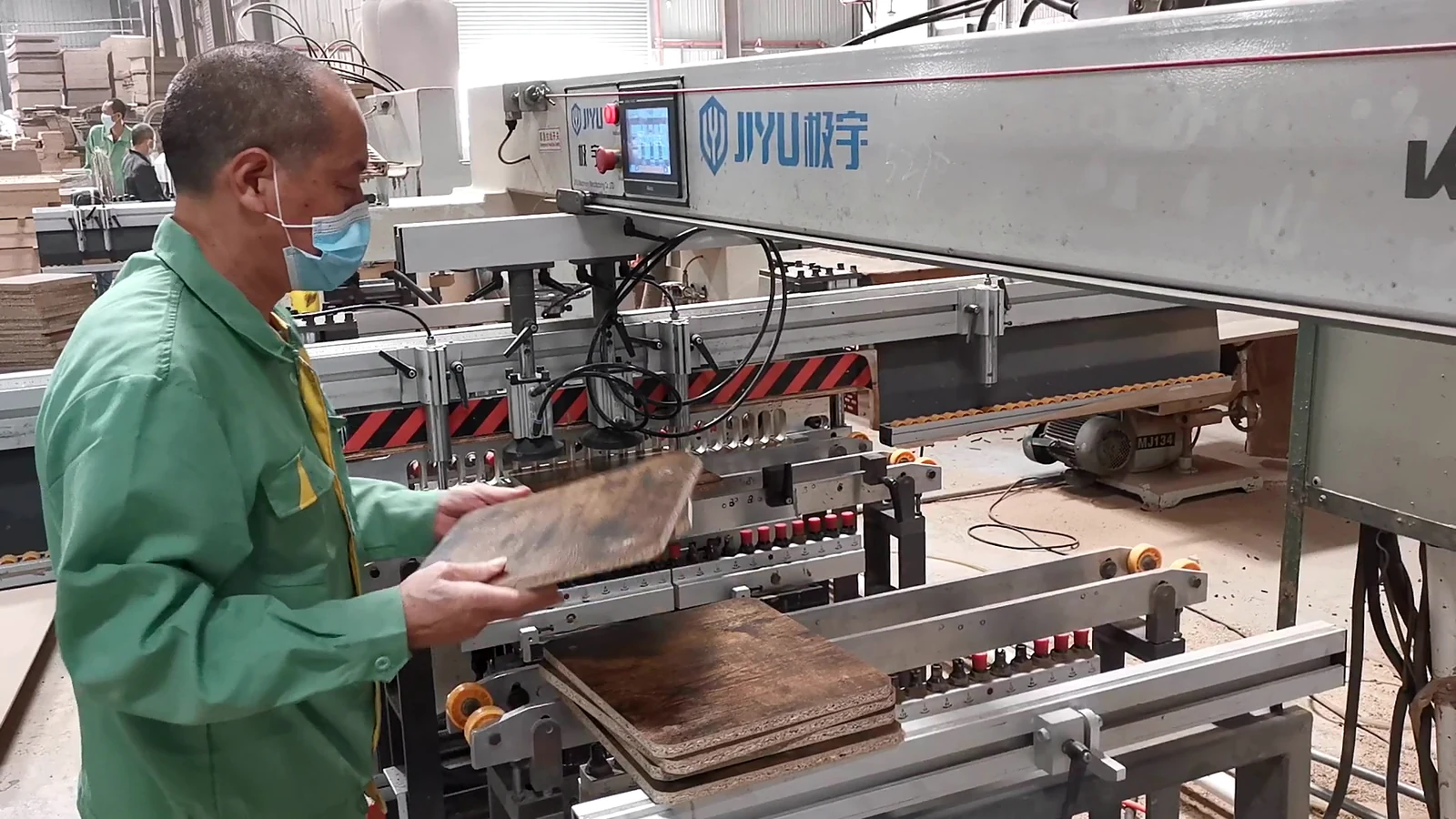
For flat-pack furniture, repeatability includes how components and hardware work together after unpacking. Review hardware identity and count, connector matching, hole alignment, part labels, orientation and assembly sequence against the active reference. Where relevant, the review can also include door or drawer fit, gaps, movement and the relationship between assembled dimensions and component placement.
A parts list or hardware bag can appear complete while still containing the wrong version of a connector, panel or instruction. The practical comparison therefore connects part identity to its interface: which fastener joins which components, which holes or fittings it uses and whether the current manual depicts that same relationship. For applicable SKUs, labeled hardware organization or scoped component checks can support this review, but they should not be described as a universal process for every item.
If assembly during the repeat-order review differs from the approved reference, record whether the cause is a component discrepancy, machining or alignment issue, instruction mismatch, packing error or approved design change. That classification gives the project team a specific record to resolve; it does not by itself establish a return rate, customer outcome or guarantee of future performance.
Check Packaging and Documentation for Repeatability
The repeat-order reference extends beyond the assembled item. Check the packed configuration, carton reference, internal protection, part separation, hardware-bag location, manual revision, part labels and any applicable external labels or artwork. These elements should match the current product version and the project’s approved channel or market requirements.
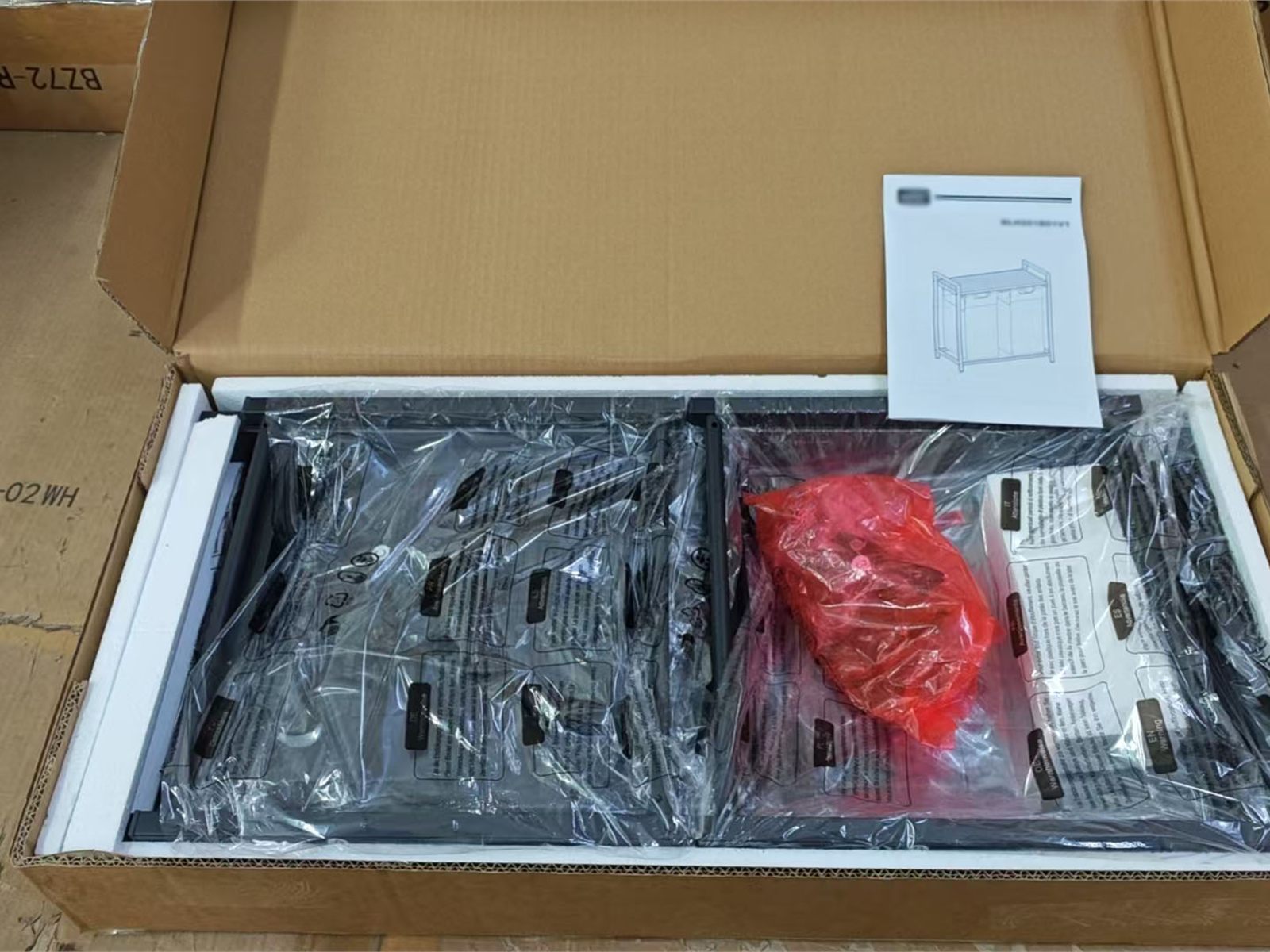
When the furniture changes, review downstream packaging and documentation rather than assuming they remain compatible. A revised panel can alter pack arrangement; replacement hardware can change the bag or manual; a new finish can require an updated label or visible reference. The same applies when packaging changes: the packed reference and any affected instructions should carry the new version.
Packaging optimization, transit evidence and regulatory scope require their own records. The Furniture Packaging Optimization and EU PPWR article handles that deeper topic. For repeat-order performance, the narrower question is whether the approved pack and documentation remain aligned with the current SKU.
Review How Deviations Are Documented and Closed
A deviation record should make an exception visible without implying that every issue has the same cause or remedy. If an order contains a wrong component, finish mismatch, hardware discrepancy, packaging inconsistency or assembly issue, identify the affected SKU and order, the observed condition and the reference used for comparison.
The record can then state the disposition or action, responsible party, approval status and evidence used to close the item. If the resolution changes the approved product definition, update the relevant specification, drawing, hardware list, manual, packaging file or visual reference. If it is a one-order correction with no specification change, record that boundary so the exception does not become a new default.
Closure evidence may be a revised document, dated photo, inspection record, rework confirmation or other project-appropriate proof. It shows what was done for the scoped issue; it does not prove that recurrence has been eliminated. Open deviations should remain visible before the next release rather than being carried forward through an informal assurance.
Repeat-Order Supplier Performance Checklist
Use the following prompts before releasing a repeat furniture order. Each checked item should point to a current document, approved reference or review record.
- The first-order production baseline is identified.
- The current specification or controlling document set is named.
- The latest revision and approval status are confirmed.
- The approved sample or visual reference remains valid.
- Material and finish changes are documented.
- Hardware and component references are current.
- Assembly information matches the current product version.
- QC evidence is tied to the current reference.
- The packaging and packed configuration are current.
- Manuals, labels and artwork are current where applicable.
- Deviations identify scope, action and closure evidence.
- Open changes are resolved or explicitly held before release.
This checklist is a repeat-order review prompt, not a supplier guarantee or complete sourcing, inspection, compliance or contract framework. The required evidence should be adjusted to the product, destination market, sales channel and agreed project scope.
How Repeat-Order Review Fits into Furniture Sourcing
Repeat-order review is one decision point within a broader sourcing program. It assumes that supplier discovery, initial due diligence, product development and the first production order have already occurred. It then tests whether the next release can use a current reference, comparable evidence and visible change or deviation records.
The Furniture Sourcing Guide covers the wider framework, including requirements, supplier evaluation, development, quality planning, packaging and export handover. Keeping that framework separate allows this article to stay focused on post-first-order evidence rather than repeating a complete sourcing process.
The decision to continue, revise or pause a program remains project-specific. A documented repeat-order review gives buyers a clearer basis for that decision, but it does not guarantee product conformity, delivery performance, sales, ratings, returns or profitability.
After the sourcing and repeat-order framework is clear, use the product hub to review current furniture categories and product directions.
Explore Furniture Collections