
Cat Tree Product Development: From Brief to Approved Specification
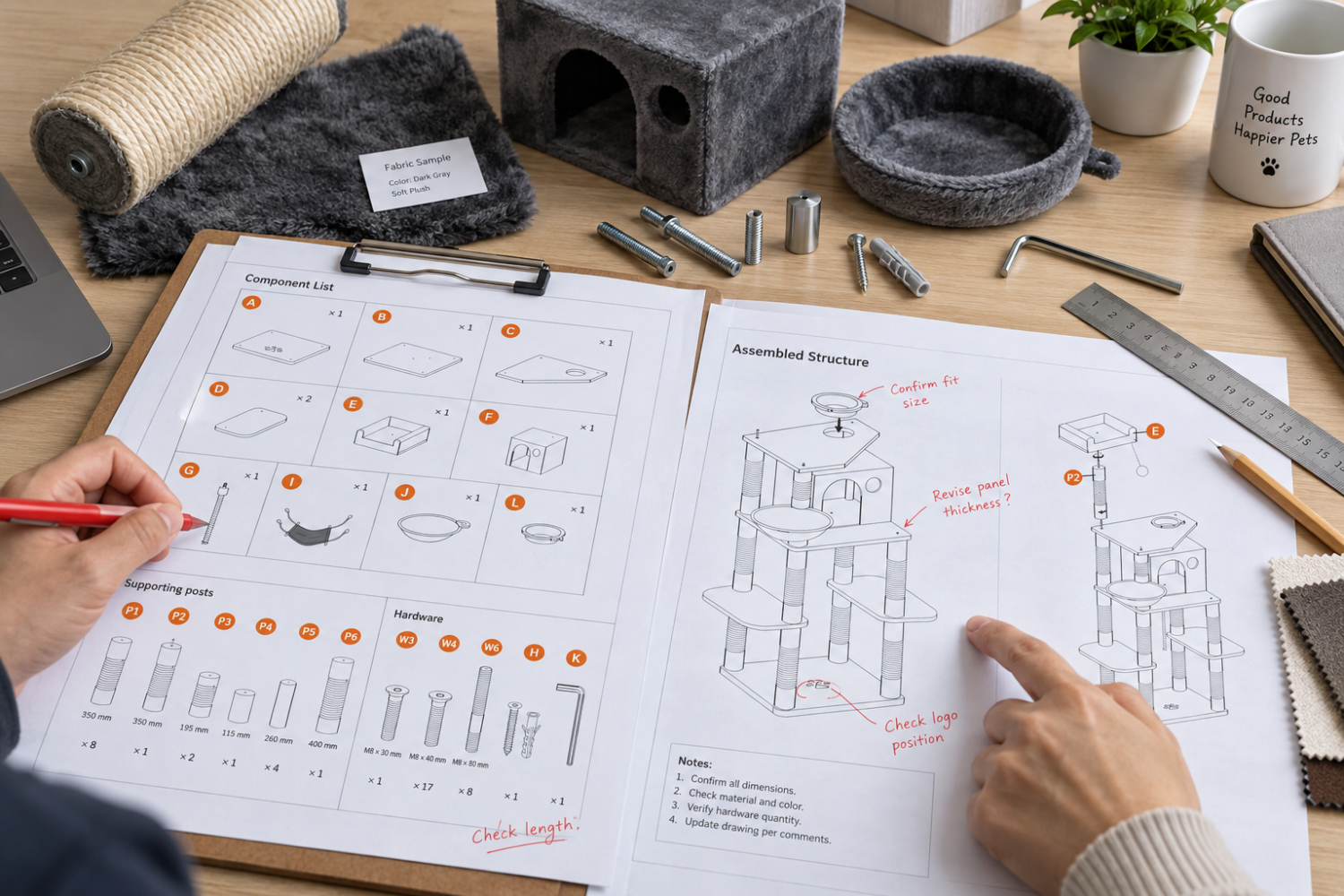
A product development project becomes production-ready only when the buyer’s brief is converted into documented, reviewable requirements. For a flat-pack cat tree or related pet-furniture product, those requirements can include assembled dimensions, footprint, platform and condo configuration, boards, posts, coverings, hardware, finish, assembly information, carton contents, internal protection, labels and revision status.
The physical sample is important, but it is not a complete production instruction by itself. A sample may contain a temporary hand adjustment, an unrecorded component change or an earlier manual. Approval is more useful when the accepted details are also visible in the current specification and the related hardware, instruction and packaging records.
Start with a Product Brief That Defines the Intended Product
A useful brief says more than “make a tall grey cat tree.” It identifies the target market, intended use, position in the buyer’s range and the limits that already matter. Those limits may include approximate assembled size, available footprint, the number and type of platforms, a condo, hammock or scratching function, a color or finish direction, and expectations for the sales channel and packed unit.
Reference images, an existing model or an early AI-assisted concept can clarify the direction, but the brief should distinguish what must be retained from what may change. If the footprint is fixed but the upper layout is open, record that difference. If a covering color is directional while the exact textile reference remains open, mark it as an open decision rather than allowing a reference photo to become the specification.
For an OEM/ODM or private-label project, the starting point may be an existing structure, a sketch, a reference product or a new combination of functions. The brief should be detailed enough to begin a working specification without pretending that every detail is already approved. The broader Cat Tree Sourcing Guide covers product position, sourcing, structure, packaging and supplier questions beyond this development stage.
Convert the Brief into a Working Specification
The working specification turns the intent of the brief into fields that can be reviewed. It may identify assembled dimensions; dimensions and codes for boards, platforms and posts; finish and covering references; hardware type; connection method; relevant hole positions; assembly sequence; carton assumptions; and manual or label requirements. The exact format can vary by project, but the current version needs to be identifiable.
The same reference should be usable during sample review, production preparation and later quality control. A drawing may explain dimensions and hole positions while a component list defines finishes and hardware. That is acceptable when the records agree. A dimension shown differently across a sketch, sample note and manual is not closed simply because each document looks complete on its own.
Open items should remain visible. A working specification can label a finish, hardware item or packing arrangement as pending, name the person responsible for approval and show the next review point. Treating an assumption as an approved value makes the later sample review less reliable.
Define Materials, Components and Interfaces
Development-stage material decisions should be written by component, not as one broad product claim. Boards, platforms and bases may need an identity, relevant thickness, dimensions, finish or covering, edge treatment and hole pattern. Posts may need dimensions, a sisal or textile reference and the details at each connection end. Hardware may need a fastener or insert identity, finish, count and required tool.
Interfaces deserve their own review because flat-pack problems often appear where two records meet. A board code should connect to the correct post position; a hole pattern should match the intended insert and bolt; the manual should use the same part code as the hardware or component list; and a finish around an opening should not hide the intended connection point.
The correct value is the value approved for the named SKU or project. Board thickness, post diameter, covering weight, sisal diameter and hardware size are not universal cat-tree rules. When a value changes, the team should check the connected parts and documents instead of assuming the change is isolated.
Use the Sample to Validate the Specification
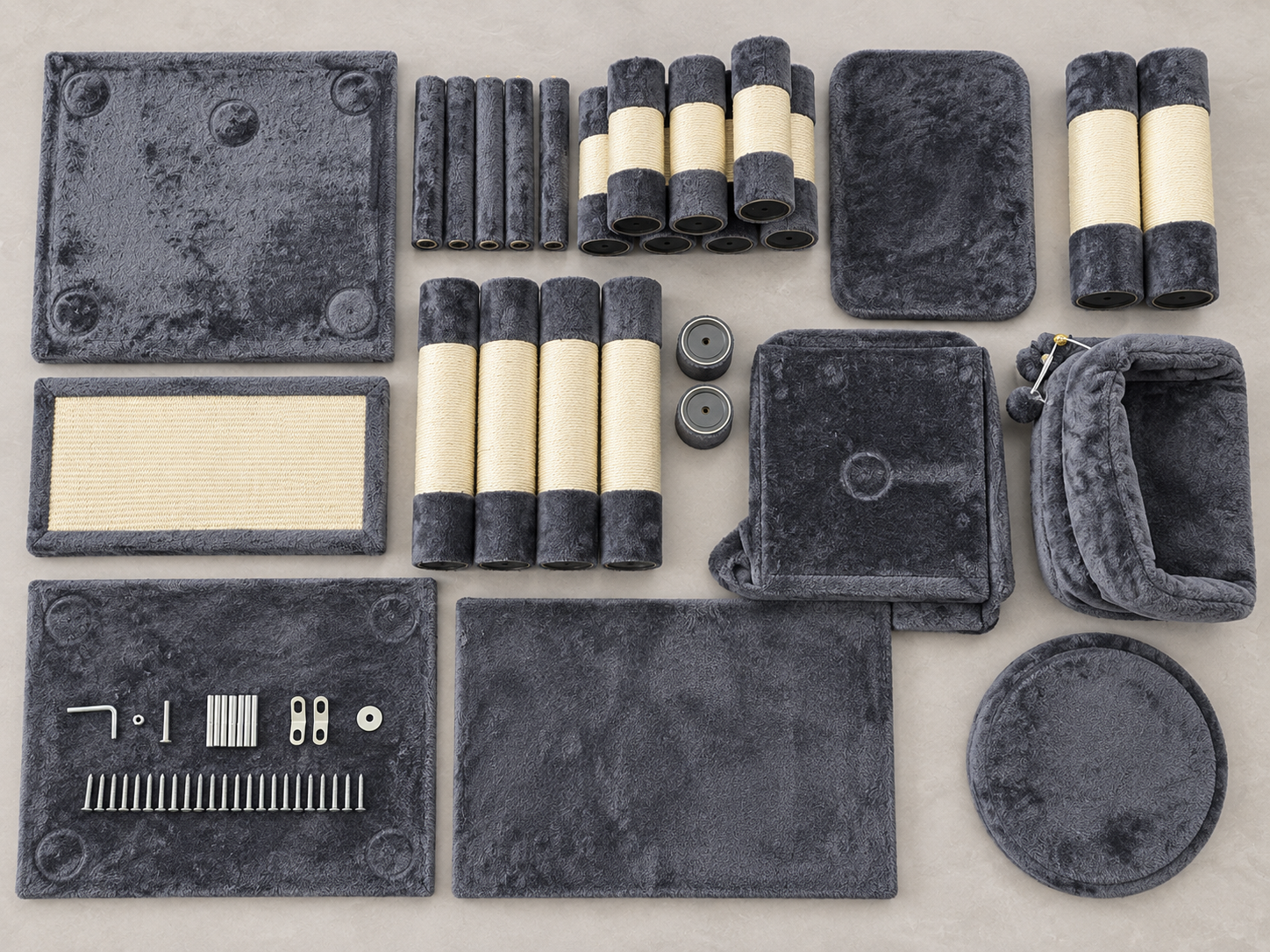
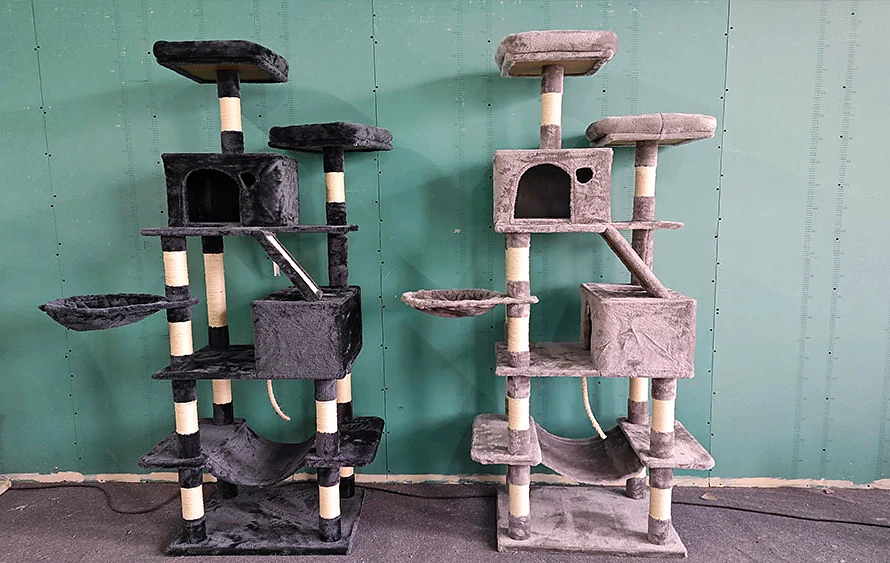
A sample review should compare the physical product with the current records. Assemble the sample using the intended parts, hardware and sequence; review assembled dimensions and footprint; confirm the platform, condo and scratching layout; compare materials, color and visible finish; and note whether the manual and packaging assumptions still describe the product being reviewed.
Appearance and production reference are different questions. A sample can look acceptable while using a temporary fastener, a hand-corrected hole, an unrecorded fabric, a substitute post or an outdated instruction step. Those differences need a decision: accept and document the change, correct the sample, or keep the item open. An undocumented workaround should not become an accidental production requirement.
Sample approval therefore needs both a physical reference and a documented status. Record which sample or revision was reviewed, which specification version applies, which comments are closed and which exceptions remain. This creates a production reference; production controls and inspection are still needed to evaluate representative units against it.
Control Revisions Before Production
Revision control is where a product-development file becomes operationally useful. Each change should state what was requested, which component or document is affected, who owns the response, whether the change is approved, and the date or version on which it becomes effective. The current drawing, specification or component list should be updated rather than leaving the decision only in an email thread or marked-up photo.
A platform-size change shows why this matters. The new dimension may alter a hole position, post location, connector relationship, hardware requirement, carton arrangement and manual illustration. Closing only the platform drawing leaves the rest of the production reference inconsistent. The revision record should identify these linked effects and show which related documents were checked.
Timing depends on the project scope, revision count, approval speed and packaging readiness. Instead of presenting a fixed development promise, the record should show which decisions are open and what must be updated before the next sample or production-release review.
Finalize Hardware, Instructions and Packaging Together
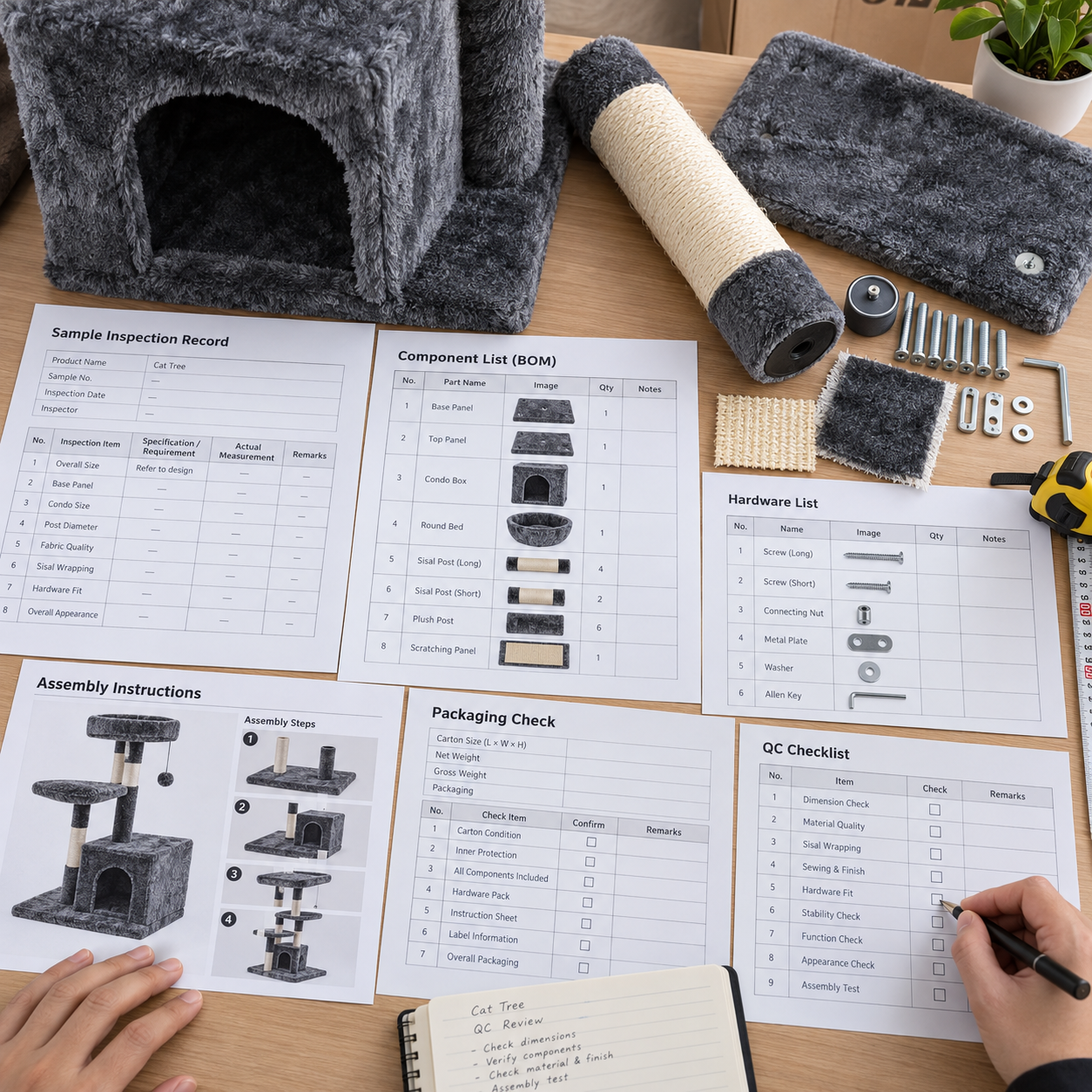
For a flat-pack product, the assembled design, hardware set, manual and packed set are parts of the same approval. The final hardware list should identify each required fastener, insert, bracket or tool and use the same codes shown in the instructions. If the project specifies spare parts, component labels or a separate hardware bag, those details should appear in the current records rather than as a general expectation.
The manual should reflect the approved parts, orientation, connection sequence and any model-specific fixing information. Packaging should account for the final component set, hardware, manual, labels, internal protection and carton arrangement. A component revision may change the hardware count, the illustrated assembly step or the way parts nest in the carton, so these records should be reviewed together.
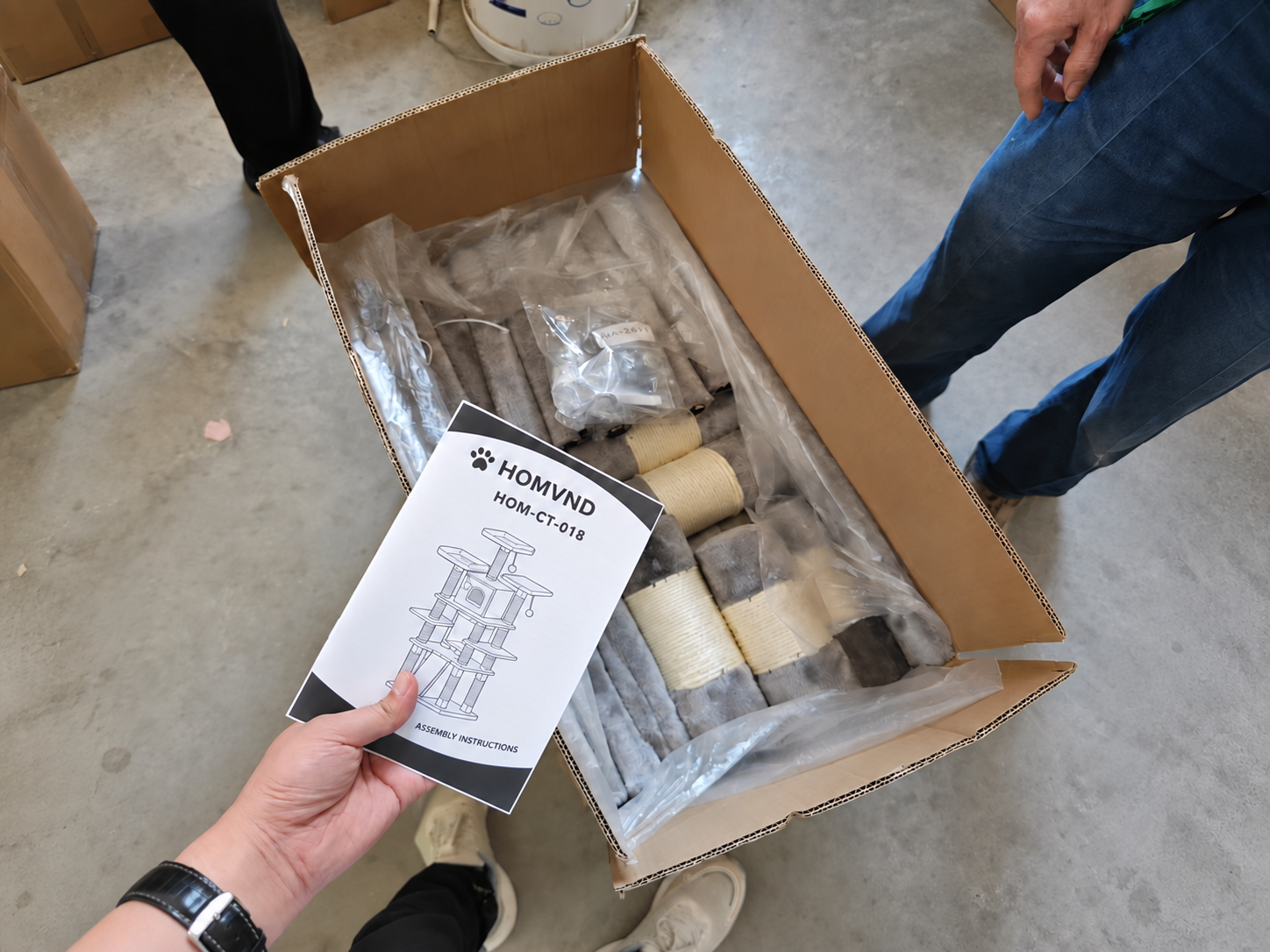
Packaging approval is also project-specific. A packed-unit photo can show the arrangement, while a packing specification can identify the contents, protection and required labels. Neither proves a universal shipping outcome. If the packed configuration changes after product approval, record the new packing revision and check that the included hardware and manual remain current.
What Should Be Approved Before Production Starts?
Depending on the project, the approval package may use different document names and formats. The purpose is not to require one universal file set; it is to show which reference closes each important decision and who accepted it.
| Approval area | What should be closed | Possible evidence |
|---|---|---|
| Product dimensions | Assembled size, footprint and relevant component dimensions | Current specification or drawing |
| Materials and finish | Approved component, covering, color and finish references | Approved sample and component specification |
| Hardware | Fastener, insert, bracket and tool identity and count | Current hardware or parts list |
| Assembly | Part codes, interfaces, orientation and sequence | Current manual and assembled-sample record |
| Packaging | Carton contents, internal protection, arrangement and labels | Packing specification and approved packed-unit evidence |
| Revisions | All accepted changes and affected documents | Dated revision and approval record |
Once the specification and approval references are current, production QC can compare representative units with those project-specific requirements. The focused Cat Tree Quality Control article explains that inspection handoff without turning this development article into a second QC checklist.
Production Readiness Checklist for Cat Tree Projects
Use this checklist as a release review, then adapt the evidence and approval owner to the actual product. An open item does not automatically stop every project, but its status and accepted disposition should be visible before production uses the package.
- The intended product and closed brief are identified.
- The current specification or drawing version is identified.
- The approved sample or physical reference is identified.
- Assembled and relevant component dimensions are confirmed.
- Materials, coverings, colors and finishes are confirmed.
- Component codes and critical interfaces are confirmed.
- The current hardware list and required tool are confirmed.
- The assembly-manual revision matches the approved product.
- Packaging contents, protection and arrangement are confirmed.
- Labels or market-specific information are confirmed where applicable.
- Approved changes and open exceptions have named owners.
- The production reference package uses current versions.
How This Fits into a Cat Tree Sourcing Program
Product development closes the definition of the product; it does not replace the wider sourcing program. Supplier due diligence asks whether project records and controls are visible. QC checks representative production units against the current approved reference. Commercial decisions about available models, customization direction and inquiry belong on the Collection.
After the brief, sample, revisions, hardware, manual and packaging references are aligned, keep that package current through production preparation. If a later approved change affects the product, update the connected records rather than allowing the original sample to remain the only source of truth.
Review current cat tree and pet furniture directions when the next step is product or commercial discovery.
Explore Pet Furniture & Cat Trees