
AI in Flat-Pack Furniture Manufacturing: A Guide for OEM Buyers
How AI supports flat-pack furniture design, engineering, packaging, forecasting and quality control—and what OEM buyers should verify before ordering.
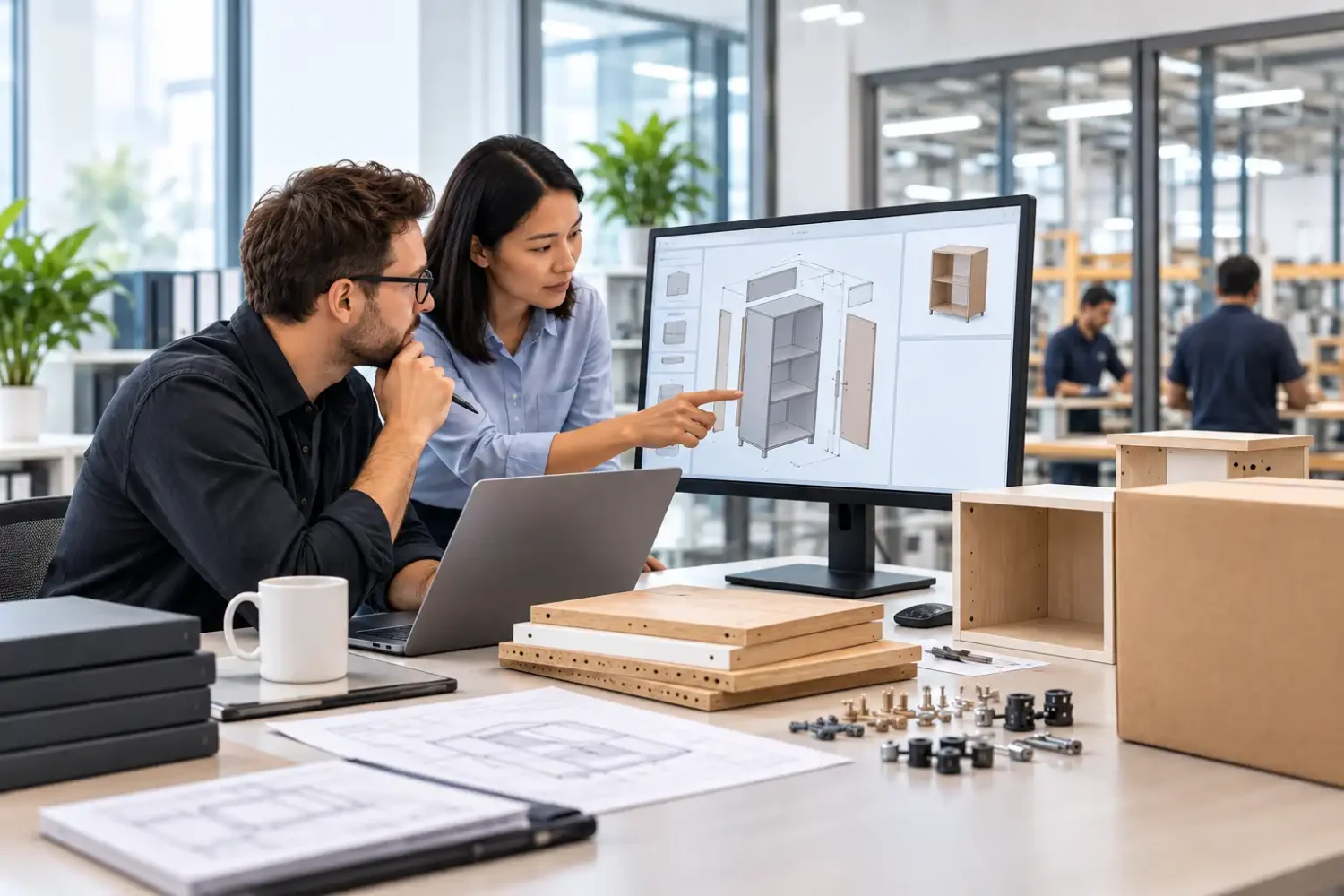
Artificial intelligence is beginning to influence flat-pack furniture manufacturing, but not in the way many headlines suggest. AI does not turn a concept image directly into a reliable, production-ready product. Its practical value is helping designers, engineers, factories and retailers analyze information faster, identify risks earlier and make better decisions.
For furniture retailers, e-commerce brands and OEM buyers, the important question is not whether a supplier uses the word “AI.” It is where digital tools improve product development, packaging, quality control and demand planning—and where experienced engineers and physical testing are still essential.
What AI Means in Flat-Pack Furniture Manufacturing
Within a furniture sourcing framework, AI may support market research, concept development, design review, production planning, visual inspection and sales analysis. These applications vary widely in maturity. Some are useful today; others still require extensive validation before they can influence mass production.
- Practical today: summarizing customer reviews, grouping recurring complaints, generating early concepts and supporting demand analysis.
- Useful with engineering validation: panel nesting, draft BOM checks, packaging layouts and production scheduling.
- Still emerging: automatically converting a concept into fully verified production drawings without experienced human review.
1. AI-Assisted Market Research and Furniture Design
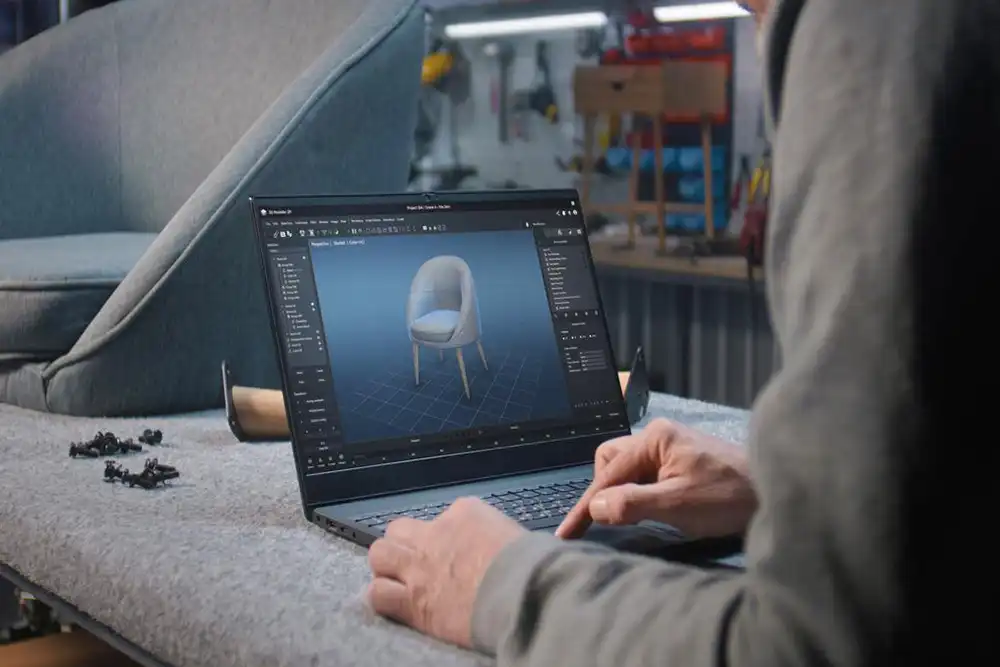
Design teams can use AI to organize marketplace listings, customer reviews, search trends and return reasons. This can reveal repeated needs such as insufficient storage, difficult assembly, unstable construction or dimensions that do not suit smaller homes.
Generative tools can then help visualize early directions for a TV stand, coffee table, bookcase or storage cabinet. However, an attractive image is not a manufacturing specification. Product dimensions, materials, hardware, load capacity, safety, cost and intellectual-property risks still require professional review.
2. From Concept to Engineering: Where AI Can Help
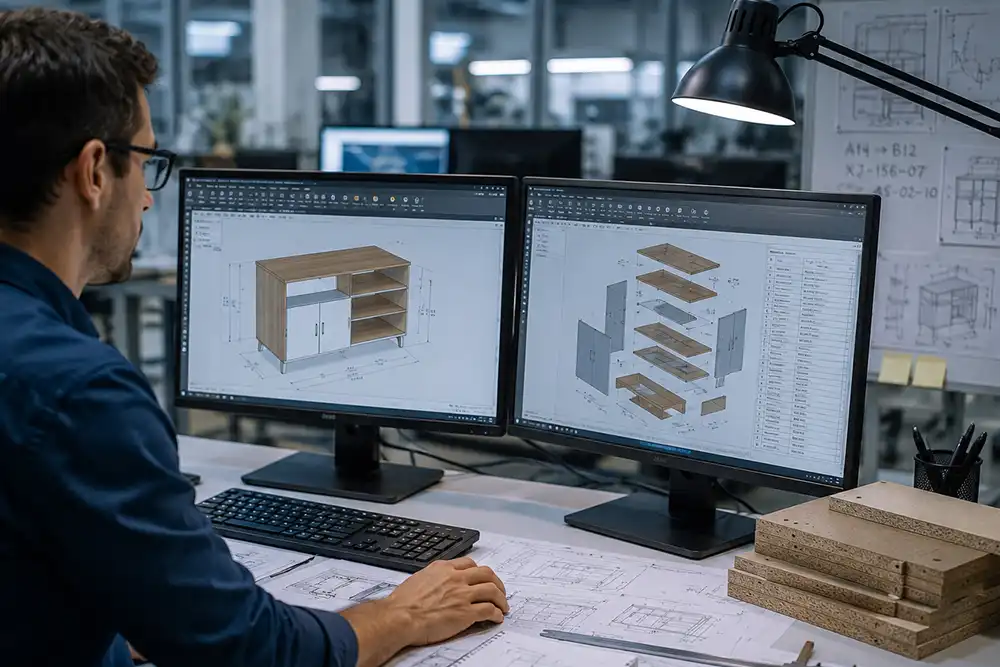
AI-assisted CAD and engineering software may help identify duplicated parts, suggest panel layouts, flag dimensional conflicts or prepare a preliminary bill of materials. These functions can shorten repetitive work, but “AI-generated” does not mean “production-ready.”
Before approving an OEM flat-pack furniture design, engineers should verify:
- panel thickness, grain direction and edge-banding requirements;
- hole positions, tolerances and CNC machining references;
- hardware compatibility and assembly sequence;
- load capacity, stability and anti-tip requirements;
- BOM quantities and replacement-part needs;
- prototype assembly and manufacturability.
3. Packaging and Container-Loading Optimization
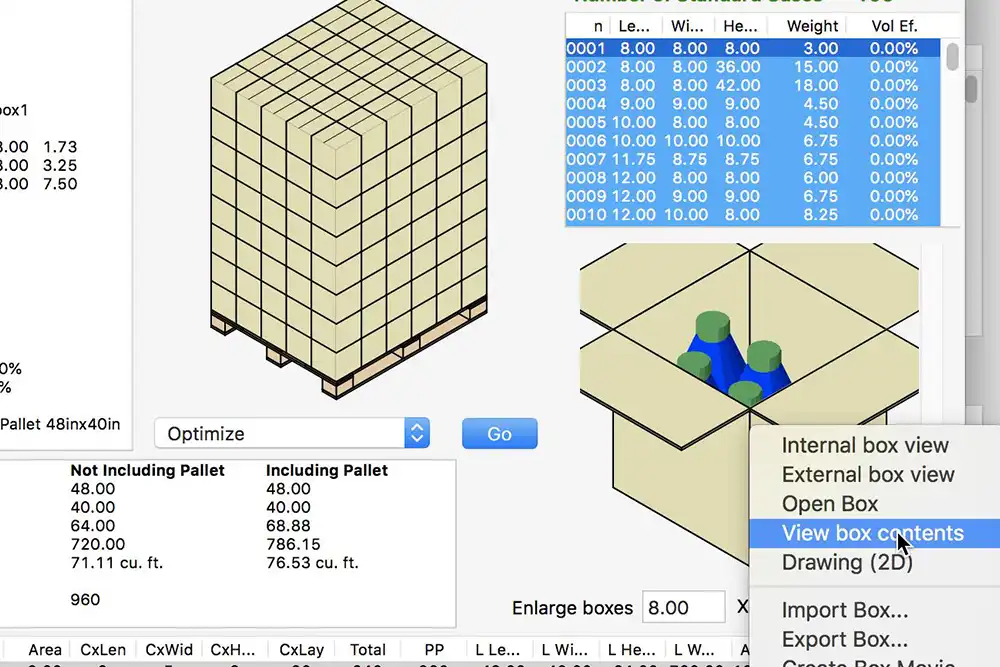
Packaging is a major cost and risk factor for ready-to-assemble furniture. Software can compare panel arrangements, carton dimensions, weight distribution and container-loading patterns. Historical damage and return data can also help teams focus on vulnerable corners, heavy components or loose hardware.
OEM buyers should request packed dimensions, gross weight, loading quantity, protective-material specifications and the applicable test plan. A simulated layout must still be confirmed with a physical sample, assembly test and packaging validation. Lower carton volume creates little value if damaged panels or missing hardware increase returns.
For a practical example, the EU PPWR packaging optimization case shows how carton reduction was paired with physical validation.
4. AI and Computer Vision in Furniture Quality Control
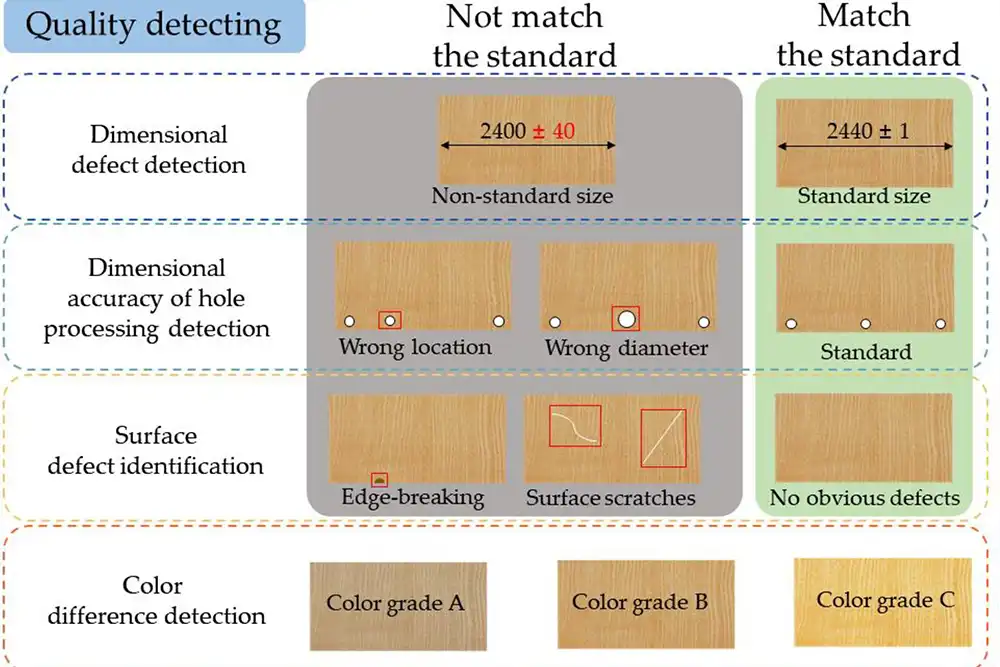
Computer-vision systems can support consistent inspection when cameras, lighting, reference samples and defect definitions are properly controlled. Potential applications include flagging visible surface defects, color variation, edge-banding problems and dimensional anomalies.
They do not replace load tests, stability tests, assembly checks, packaging tests or human judgement. Buyers evaluating a supplier’s AI quality-control claim should ask which defects the system detects, how accuracy is measured, who reviews flagged items and what happens when the system and inspector disagree. A documented furniture quality-control process matters more than the technology label.
5. Demand Forecasting for Retailers and E-Commerce Brands
Forecasting models can combine historical sales, promotions, channel performance, seasonality, lead time and stock availability. For retailers, the goal is not a perfect forecast; it is a better purchasing decision by SKU, country and sales channel.
Useful inputs must be clean and relevant. A model trained on incomplete sales history or unusual promotional periods may produce confident but misleading results. Purchasing teams should compare forecasts with supplier capacity, transport time, MOQ and replenishment risk before confirming an order.
6. Digital Tools for Furniture E-Commerce

Room visualization, virtual placement, recommendation systems and customer-service assistants can improve the online buying experience. For bulky products, accurate scale and product data are critical. A visually impressive rendering that misrepresents dimensions, finish or color can increase dissatisfaction instead of reducing it.
Manufacturers can support retailers by providing consistent dimensions, white-background images, lifestyle images, assembly manuals, parts lists and packaging data for products in the living-room furniture collection and other categories.
What AI Cannot Replace
Flat-pack furniture remains a physical product. Experienced people must decide whether a design is safe, manufacturable, cost-effective and appropriate for the target market. AI cannot replace material knowledge, prototype testing, supplier management, production discipline or accountability.
The strongest workflow combines digital analysis with engineering verification, physical samples, agreed quality standards and transparent communication between the retailer and manufacturer.
Questions OEM Furniture Buyers Should Ask
- Is AI used for concept development, engineering analysis, production planning or only marketing images?
- Who approves the final drawings and BOM?
- How are hardware compatibility, stability and load capacity verified?
- Is the packaging physically tested after digital optimization?
- Which defects can the vision system detect, and how are results reviewed?
- Can the supplier provide packed dimensions, loading quantities, MOQ and lead time?
- How is buyer data and proprietary product information protected?
A Practical Approach to AI-Assisted OEM Development
At HOMVND, digital tools can support research, communication and early product-development decisions, while experienced teams remain responsible for engineering, sampling, packaging review, quality control and export coordination. We do not treat an AI concept image as a finished product specification.
If you are developing a private-label or custom ready-to-assemble furniture collection, send us your target market, product dimensions, target price, sales channel and estimated order quantity. We can review manufacturing feasibility, packaging requirements, MOQ and a project-specific development schedule.
Request an OEM feasibility review for your next flat-pack furniture project.