
Global RTA Furniture Market: Leading Companies and Buyer Lessons
A practical review of leading flat-pack furniture brands, retail platforms and OEM supply models—with sourcing lessons for retailers and private-label buyers.
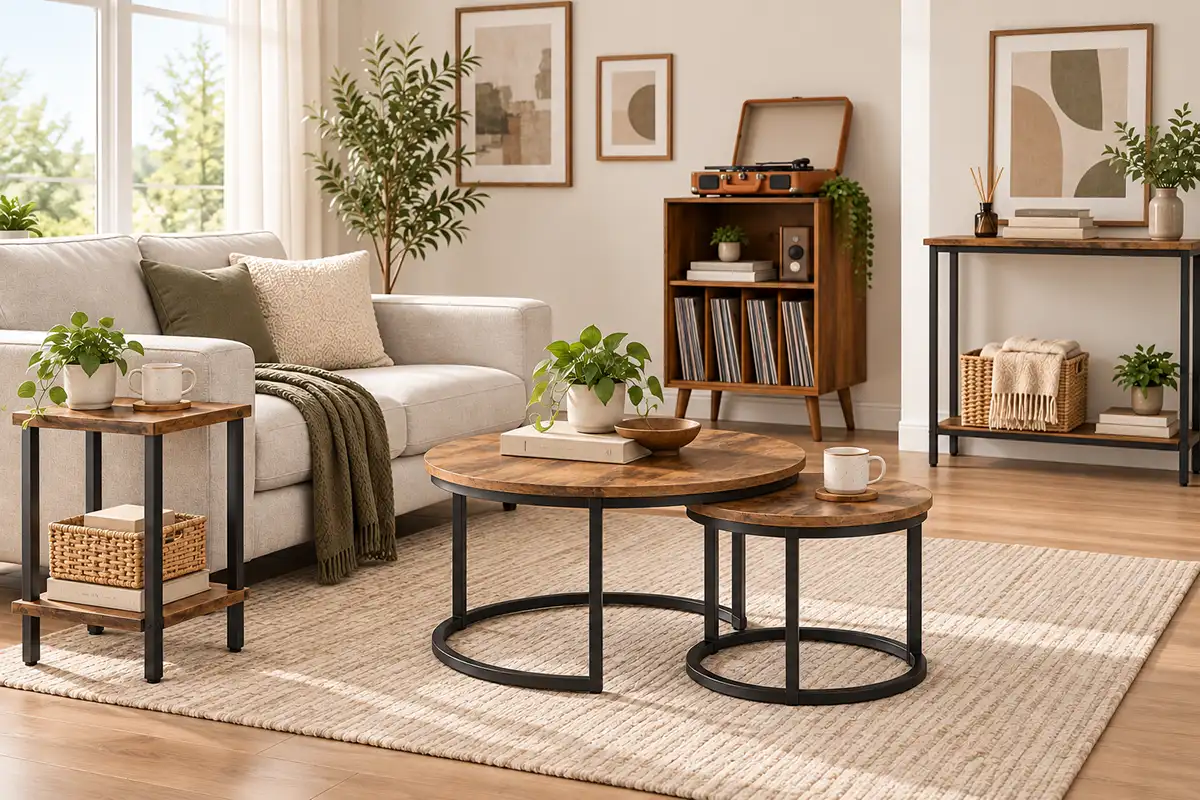
The global ready-to-assemble (RTA) furniture market includes consumer brands, specialist manufacturers, retail platforms and OEM supply networks. These businesses do not compete in exactly the same way: IKEA controls a vertically coordinated retail system, Sauder specializes in North American RTA production, Wayfair shapes e-commerce requirements as a marketplace, and Chinese manufacturers support many private-label programs.
This guide examines representative companies and business models—not a definitive market-share ranking. It also explains what furniture retailers and OEM buyers can learn from their product development, packaging, distribution and supply-chain strategies.
Buyers can use the Furniture Sourcing Guide to turn these market comparisons into a structured review of specifications, suppliers, quality control and packaging.
What Is Flat-Pack or RTA Furniture?
Flat-pack furniture, also called ready-to-assemble (RTA), knock-down or KD furniture, is shipped as panels, components and hardware for assembly after delivery. Compact packaging can improve warehouse density, container utilization and parcel-shipping suitability, but performance depends on engineering, carton protection, hardware accuracy and clear instructions.
- lower storage and transport volume than assembled furniture;
- better compatibility with e-commerce fulfilment;
- scalable production using standardized panels and hardware;
- more efficient retail and warehouse space;
- greater responsibility for packaging quality and customer assembly.
How the Representative Players Were Selected
The companies and supply models below were selected for their influence on RTA product design, distribution, manufacturing or e-commerce logistics. They should not be read as a ranked list by revenue or global market share. Public market reports use different definitions and frequently produce different rankings.
1. IKEA: The Global Flat-Pack Benchmark
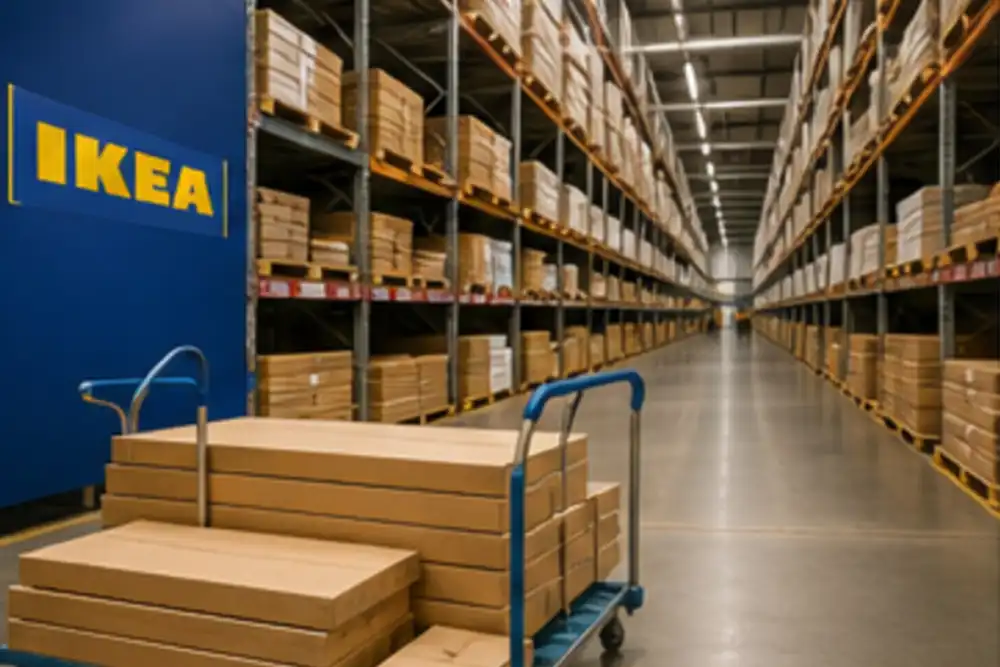
IKEA is the best-known global example of flat-pack furniture as an integrated business model. Its advantage is not simply low price. Product dimensions, materials, packaging, warehouse handling, store layout and assembly are designed as one coordinated system.
For retail buyers, the lesson is that cost should be managed across the complete product lifecycle. A low factory price can be offset by inefficient cartons, difficult assembly, damage, missing hardware or high return rates.
2. Sauder Woodworking: A North American RTA Specialist
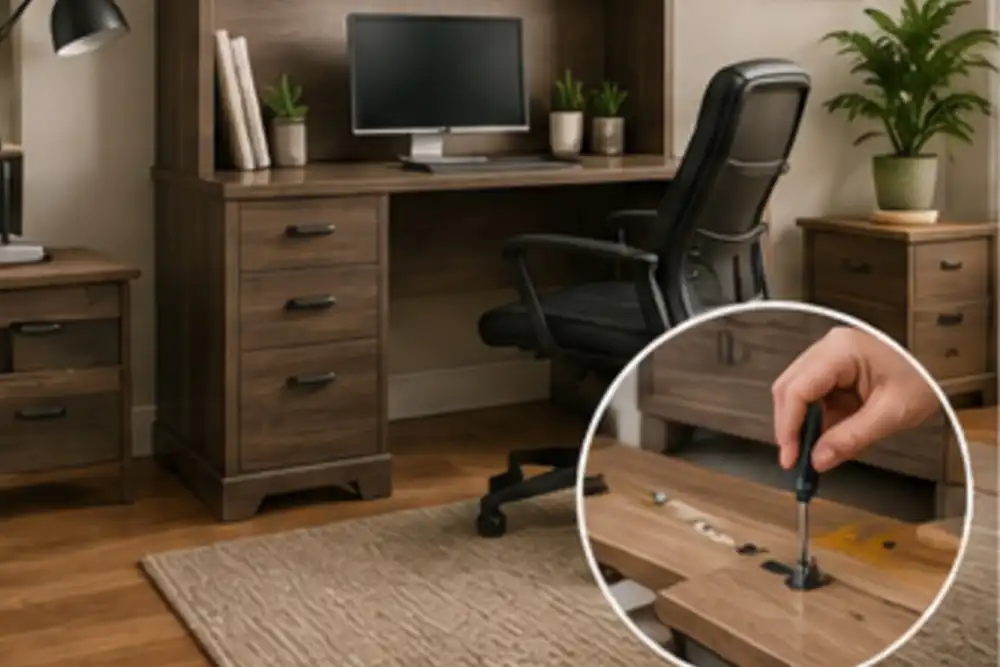
Sauder is a long-established U.S. producer associated with ready-to-assemble home office, storage and residential furniture. Its position illustrates how specialization, consistent construction methods and familiarity with local consumer expectations can support mass-market distribution.
OEM buyers can apply the same principle by defining target-market dimensions, price bands, finishes, assembly expectations and channel requirements before product development begins.
3. Other Relevant RTA Brands and Manufacturers
Depending on region and product category, buyers may also encounter Ameriwood Home, Bush Furniture/Bestar, Prepac, South Shore, Whalen and other specialists. Their importance varies by market, and corporate ownership or brand portfolios can change. The useful comparison is not only company size, but assortment, channel reach, packaging performance, assembly experience and after-sales support.
Wayfair: A Distribution Platform, Not a Furniture Manufacturer

Wayfair should not be compared directly with manufacturers such as Sauder. It is a retail and marketplace platform whose scale influences how suppliers prepare products for online sale. Marketplace performance depends on accurate dimensions, strong packaging, clear assembly instructions, reliable product data, fulfilment speed and review quality.
For factories serving e-commerce brands, this means engineering for the delivery channel rather than treating packaging as a final step.
China’s OEM Manufacturing Ecosystem
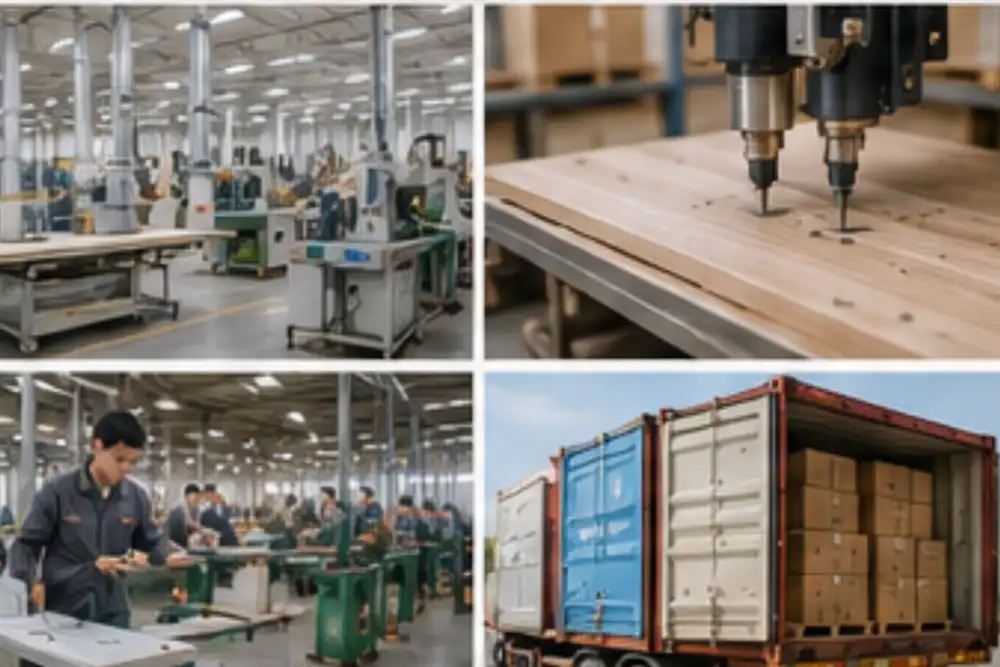
Chinese suppliers are not one “leading player.” They form a diverse manufacturing base that supports branded retailers, marketplaces and private-label programs. Competitive capabilities may include panel processing, metal fabrication, hardware sourcing, packaging engineering, product photography and export coordination.
Supplier quality varies significantly. Buyers should evaluate engineering capability, materials, compliance, process control, packaging tests, communication and corrective-action procedures—not country of origin alone. Buyers can review HOMVND’s flat-pack furniture collections when translating these supplier criteria into a category plan.
Why the RTA Furniture Model Continues to Grow

E-Commerce and Parcel Delivery
Online channels favor products with accurate digital information, manageable cartons and predictable delivery performance. Flat-pack construction can meet those needs when packaging and assembly are engineered correctly.
Urban Living and Flexible Furniture
Smaller homes and frequent moves can increase demand for compact storage, modular designs and products that are easier to transport.
Logistics and Inventory Efficiency
Carton cube, loading quantity and warehouse density directly affect landed cost. Buyers should compare total delivered economics rather than unit price alone.
Sustainability Expectations
Material efficiency, responsible sourcing, recyclable packaging, repairability and replacement parts are becoming more relevant. Flat packing can reduce volume, but it is not automatically sustainable; durability and product lifespan also matter.
For a specific European example, see how packaging optimization under the EU PPWR balances material efficiency with product protection.
What Retail Buyers Can Learn from Leading RTA Businesses

- Design for the channel: marketplace, store and wholesale programs have different carton and content requirements.
- Validate assembly: build prototypes with production hardware and revise unclear steps.
- Measure packaging: confirm packed size, weight, loading quantity and physical test requirements.
- Control the BOM: prevent missing or incompatible components through documented checks.
- Plan after-sales support: retain spare parts and define complaint-handling procedures.
- Use evergreen product logic: avoid overdependence on short-lived visual trends.
OEM Buyer Checklist for a Flat-Pack Furniture Supplier
- What materials, finishes and hardware are included in the specification?
- Who approves drawings, tolerances and the final BOM?
- What are the MOQ, sample lead time and production lead time?
- What are the carton dimensions, gross weight and loading quantities?
- Which packaging and product tests apply to the sales market?
- How does the supplier document its furniture inspection and quality-control process, including first-article, in-process and pre-shipment checks?
- Can replacement parts and localized assembly instructions be supplied?
- How are design confidentiality and private-label requirements handled?
Conclusion
The global RTA furniture market is not led by one type of company. Brands, manufacturers, retailers, marketplaces and OEM supply networks each create value at different points in the chain. The most successful models coordinate product design, engineering, compact packaging, distribution and customer assembly.
If you are developing a private-label ready-to-assemble furniture collection, send HOMVND your target market, product category, dimensions, price target, sales channel and estimated quantity. We can review manufacturing feasibility, MOQ, packaging requirements and a project-specific development schedule.
Request an OEM feasibility review for your next flat-pack furniture program.