
ISTA Packaging Testing for Flat-Pack Furniture: What Buyers Should Verify
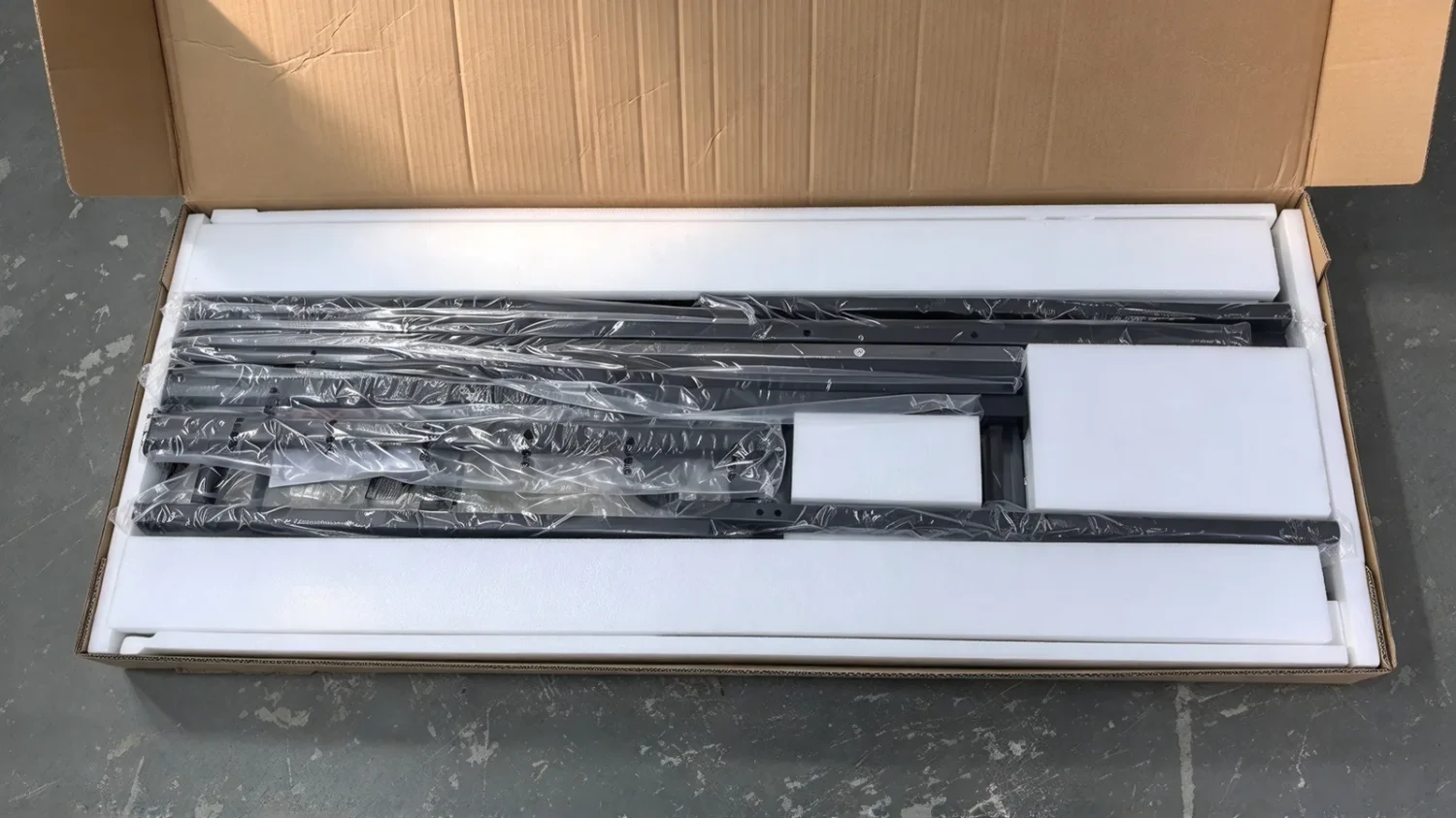
An ISTA result is useful only when the tested packaged-product represents what the buyer will actually purchase and ship. For flat-pack furniture, that means matching the report to the correct SKU, product revision, carton configuration, packed dimensions and weight, internal protection, and distribution route.
The procedure number alone does not answer those questions. Buyers need to confirm why the procedure was selected, what samples were tested, what damage criteria were agreed before testing, and whether the tested configuration still matches current supply.
This guide focuses on transport-packaging test verification for importers, wholesalers, online sellers and private-label furniture buyers. It complements a broader flat-pack furniture packaging specification; it is not a universal laboratory protocol or a guarantee of damage-free delivery.
Start With the Actual Distribution Route
ISTA says procedure selection depends on familiarity with the real distribution environment: how the packaged product is handled, stored and shipped. Begin with a route map rather than choosing a familiar test number.
- Is the furniture carton shipped individually through a parcel network?
- Does it move as a large individual package or pallet in a mixed less-than-truckload shipment?
- Is it unitized with similar packaged products in a full truckload from a factory to a distribution center?
- Does it first enter a retailer fulfillment operation and then ship in its own container to the consumer?
- Where are unit loads broken down, re-palletized, stored or handed to a different carrier?
One order can involve several legs. A containerized ocean movement, warehouse transfer and final parcel delivery are not automatically represented by one label such as “export test.” The buyer and test planner should identify which hazards and legs the selected procedure represents and which remain outside its scope.
ISTA 3A vs 3B vs 3E vs 3L
ISTA classifies its 3-Series as general simulation tests. The current ISTA procedure directory describes the distribution setting for each option. These descriptions guide selection; the current full procedure or project controls the actual laboratory work.
| ISTA option | Distribution setting | Buyer selection question | Important boundary |
|---|---|---|---|
| 3A | Individual packaged products of 150 lb (70 kg) or less moving through a parcel delivery system by air or ground. | Will this carton travel as an individual parcel? | ISTA identifies standard, small, flat and elongated package types. “Flat-pack furniture” does not automatically mean the ISTA Flat package category. |
| 3B | Packaged products moving through an LTL system, including standard, cylindrical, palletized or skidded types mixed with other freight. | Will the package or pallet share an LTL load with unrelated products and destinations? | Do not select it solely because the furniture carton is large; confirm the actual LTL route and the applicable package type. |
| 3E | Unitized loads of similar packaged products moving by full truckload, often from manufacturing to one distribution center. | Is the test object a unitized load of similar packages moving in an FTL system? | A single retail carton is not equivalent to the unitized load being evaluated. |
| 3L | Packaged products entering an e-commerce retailer fulfillment operation and then shipping in their own containers to consumers by parcel or LTL. | Does the route include retailer receiving and fulfillment before outbound consumer delivery? | It is a generalized retailer-fulfillment test, not a claim that every retailer or every delivery condition is covered. |
ISTA’s 3L guidance distinguishes retailer-fulfilled e-commerce from direct manufacturer-to-consumer shipping. ISTA’s selection table points direct manufacturer-to-consumer parcels toward 3A or 3B according to the shipment form, while 3L addresses the added retailer-fulfillment phase. That distinction is material for furniture sellers using different fulfillment models.
What About Ocean Freight?
ISTA’s ocean-shipment guidance explains that ISTA procedures do not contain ocean-shipment vibration profiles. It also notes that ocean distribution can involve loading and unloading shocks, shifting, temperature and humidity exposure, and stacking compression, while road or rail legs still occur before or after the port.
Buyers should therefore avoid saying that 3A, 3B or 3E “covers the entire ocean shipment.” Map the port, inland, storage and final-delivery legs, then ask the laboratory or packaging specialist whether the selected current procedure needs a separately justified test plan or additional evaluation. Do not invent test intensities from a public overview.
Freeze the Tested Product and Packaging Configuration
A report should be traceable to one defined packaged-product configuration. Before authorizing the test, create a configuration sheet that the supplier, buyer and laboratory can all identify.
| Field | What to record | Why it matters |
|---|---|---|
| Product identity | SKU/model, variant, product revision and a component or BOM reference. | Prevents a related model from being treated as the tested product. |
| Sample quantity | Number of packaged-product samples required by the current procedure and any additional replicate samples. | A report should show what was actually tested; a single pass provides limited evidence about production variation. |
| Carton identity | Carton count, packaging revision, sealed dimensions, gross weight and relevant carton specification. | Procedure selection and test planning can depend on package form, size and weight. |
| Internal pack-out | Component order and orientation, dividers, corner and edge protection, surface isolation, void control and movement restraint. | Two cartons with the same outer dimensions can protect the product differently. |
| Included contents | Panels, frames, hardware, fittings, manual, tools and labels that are present in the saleable shipment. | Missing, substituted or differently positioned contents change the tested system. |
| Distribution basis | Shipment route, handling form, selected ISTA procedure/project and current edition. | Connects the laboratory simulation to the intended use of the report. |
ISTA advises using representative product and package samples that are as close as possible to actual production items. It also advises using the current test and reviewing its sequence and documentation requirements before work begins. If development samples differ from production, record the gap and decide whether production-representative testing will be required later.
The minimum sample quantity comes from the selected current procedure or project. ISTA also notes that replicate testing with new samples improves assurance because packaging materials, components and contents vary. Buyers should state whether the request is for the protocol minimum, additional development evidence or formal certification, and the report should account for every sample.
Define Product Damage and Package Degradation Before Testing
Most ISTA protocols call for the Product Damage Tolerance and Package Degradation Allowance to be determined before the test begins. These criteria turn “pass” from a vague opinion into a project-specific decision basis.
Product Damage Criteria
For flat-pack furniture, the agreed product criteria may address cracked or permanently deformed components, finish damage on defined visible surfaces, damaged holes or joining interfaces, missing or escaped hardware, and whether the product can be assembled and function as specified after testing. These are examples for a buyer brief, not universal ISTA limits.
Package Degradation Criteria
Package criteria should distinguish acceptable cosmetic change from unacceptable loss of containment or protection. Define how the project will treat scuffing, crushed areas, punctures, tears, wetting, closure failure, displaced protection and component movement. The decision depends on the product, package, channel and customer requirements; there is no universal furniture threshold.
ISTA’s selection and use guidance says the pass/fail determination should be made against the criteria established before testing, with the evaluation method documented. Buyers should approve those criteria or identify the responsible decision-maker before the laboratory starts.
What Buyers Should Request From the Laboratory or Supplier
The request should separate the formal test report from the supporting package of records needed to match it to current supply. For general test-report due diligence, see how to verify whether a furniture test report applies to your product.
Test Report
- Laboratory identity, report number, test dates and relevant lab status.
- Exact ISTA procedure or project and the edition used.
- Tested SKU/model, product revision, packaging revision and sample quantity.
- Measured packaged dimensions and weight, package type and test orientation where applicable.
- Description and photographs of the outer carton, internal pack-out, protection and included contents.
- Pre-test product damage and package degradation criteria.
- Options selected, intermediate observations, calculations, deviations and results for each sample.
- Final conclusion, limitations and authorization or signatures appropriate to the report.
Supporting Configuration Records
- Current product specification, drawing or controlled product-revision reference.
- Packaging specification or drawing with carton count, materials and pack-out sequence.
- Dated sample photographs that make the protection and component layout identifiable.
- Any approved deviations, substitutions or sample limitations.
- A change log linking the tested revision to the version released for production.
The report is not automatically applicable because the supplier name or general product family matches. Compare the tested record line by line with the current purchase specification and packaging release. Unexplained differences in SKU, size, weight, material, pack-out, closures, inserts or route should remain open until their effect is assessed.
Decide When a Change Requires Retesting
ISTA’s retesting guidance says testing should be repeated when a change in the product, package or process can affect performance. When there is doubt, ISTA recommends retesting.
| Change area | Examples | Buyer decision |
|---|---|---|
| Product | Panel dimensions or weight, construction, hardware, accessories, finish system or center of gravity. | Does the tested product still represent the current SKU and its vulnerabilities? |
| Package | Carton style, board or closure, packed size or weight, carton count, inserts, corner protection, component orientation or restraint. | Could the change alter containment, load transfer or product movement? |
| Process | Packaging supplier, assembly or packing location, automation, sealing method or pack-out sequence. | Could the released configuration or its consistency be different? |
| Distribution | Parcel to LTL, direct shipment to retailer fulfillment, unitized to individual handling, or another material route change. | Does the original procedure still represent the relevant distribution environment? |
Not every administrative change requires a new physical test. Record the change, compare it with the tested configuration, document why performance is or is not potentially affected, and identify who approved the decision. A silent substitution is not change control.
Test Pass, ISTA Certification and Field Performance Are Different
| Evidence | What it supports | What it does not prove |
|---|---|---|
| Laboratory test pass | The identified samples met the agreed criteria under the documented method, sequence and conditions. | Every production unit will pass, all shipment routes are covered, or damage will be zero. |
| ISTA packaged-product certification | The formal ISTA conditions were met and the submitted report was reviewed and approved by ISTA. | Certification of a packaging supplier’s generic carton or automatic coverage of changed SKUs and packaging revisions. |
| Actual shipment performance | Field evidence about the released configuration in its real distribution system. | That one laboratory result or one shipment outcome predicts every future route, season or handling event. |
Under ISTA’s Certification Mark policy, formal packaged-product certification requires, among other conditions, a product manufacturer or brand owner that is an ISTA Shipper member with a valid license agreement, testing in a current ISTA Certified Lab, full compliance with a current procedure or project, passing samples, submission of results to ISTA, and approval by ISTA Headquarters. Certification comes from ISTA, not from the laboratory alone.
A supplier statement that a package was “ISTA tested” should therefore be clarified. Ask whether it means a laboratory test to an identified method, an ISTA-reviewed packaged-product certification, or only an internal screening exercise. Request the report and match its scope before using the claim.
ISTA also advises monitoring actual shipments and comparing field performance with laboratory results. Passing a laboratory test helps a buyer make a better-informed packaging decision; it does not promise zero damage or replace production packaging control.
Buyer Approval Checklist
- Map the intended distribution route and handling form.
- Confirm that the selected current ISTA procedure or project matches that route.
- Freeze the tested SKU, product revision and complete packaging configuration.
- Verify the required sample quantity and document every sample tested.
- Approve product damage and package degradation criteria before testing.
- Require a traceable report with configuration photographs and declared deviations.
- Compare the report with the current production and packaging release.
- Document whether later product, package, process or distribution changes require retesting.
- Keep laboratory pass, ISTA certification and field performance as separate conclusions.
Frequently Asked Questions
Does flat-pack furniture automatically use ISTA 3A Flat?
No. “Flat-pack” describes how furniture is supplied for assembly. ISTA’s Flat package type is a procedure-specific classification. Determine the package type from the current procedure using the actual sealed dimensions and weight.
Is ISTA 3E suitable for every export furniture shipment?
No. ISTA 3E addresses unitized loads of similar packaged products in a full-truckload distribution setting. An export route may also include ocean, port, warehouse, LTL or parcel legs that require separate consideration.
Can a buyer accept a report for a similar furniture model?
Only after a documented technical review of the differences. A similar product name does not prove equivalence. Compare product construction, dimensions, weight, components, packaging materials, pack-out, protection and route, then decide whether the evidence can be bridged or retesting is needed.
Does a passed ISTA test mean the package is certified?
Not automatically. Formal ISTA packaged-product certification requires the membership, laboratory, procedure, report-submission, ISTA review and license conditions described in ISTA’s policy. A laboratory cannot grant ISTA certification by itself.
Does testing remove the need to monitor shipping damage?
No. Laboratory testing supports a pre-shipment decision under defined conditions. Field results from the released packaging configuration help buyers evaluate whether the laboratory approach and acceptance criteria remain useful for the real distribution system.
Reference Boundary
This buyer guide uses ISTA’s current public procedure directory, test-selection guidance, 3L guidance, guidance on sample quantity, retesting, Certification Mark use and ocean-shipment considerations. Public overviews do not replace the current full procedure or project. Buyers and laboratories should use the current controlled document for test levels, sequence, apparatus, calculations and reporting requirements.
Prepare a Traceable Packaging Test Brief
Before requesting a test, assemble the route map, current product and packaging revisions, sample plan, pack-out record, sealed dimensions and weight, and pre-agreed damage criteria. Keep every difference visible so the final report answers the sourcing question the buyer actually needs to decide.
Discuss Your Furniture Packaging Brief