
Flat-Pack Furniture Packaging Requirements for E-Commerce Sellers
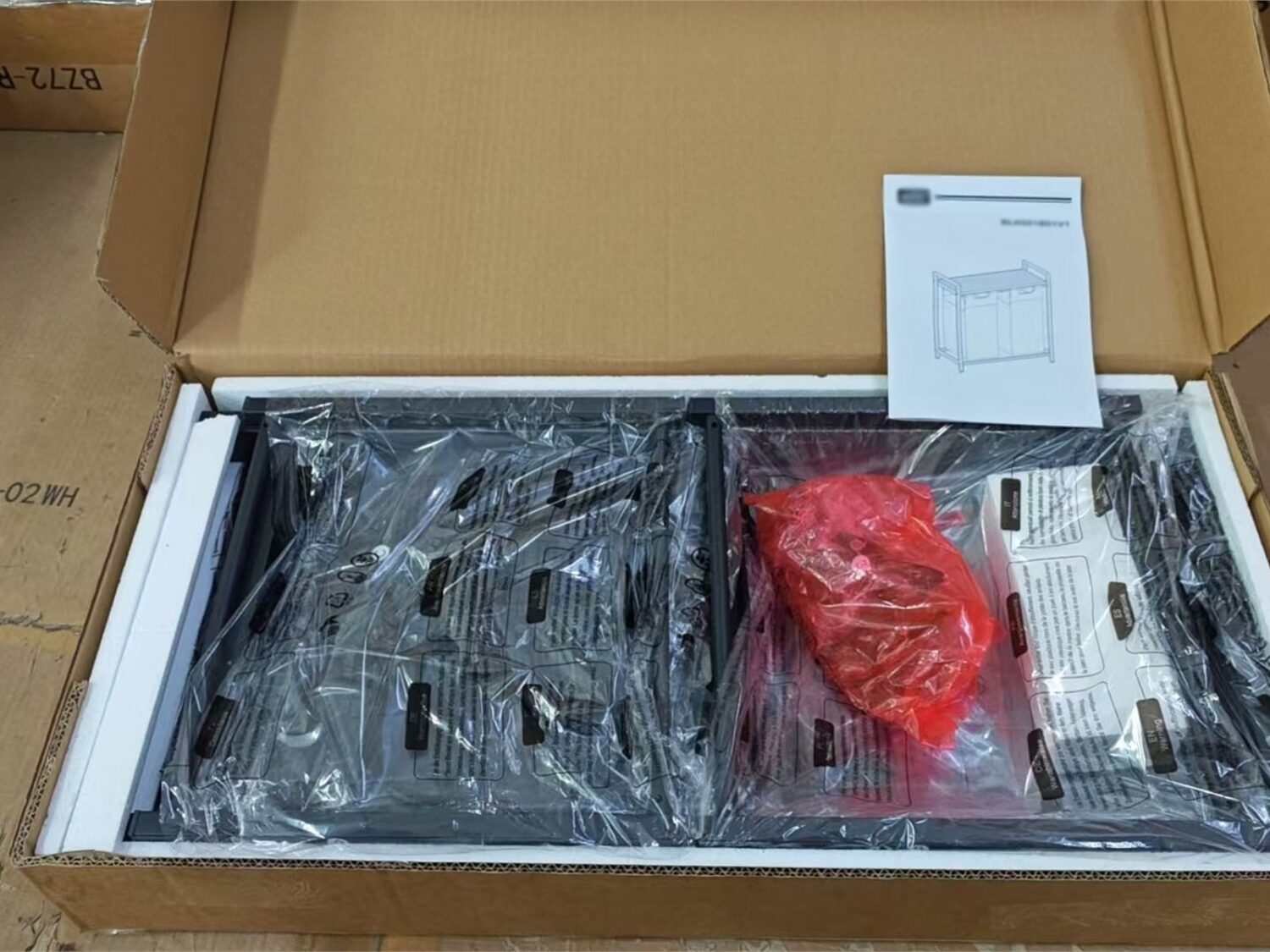
A useful flat-pack furniture packaging requirement identifies the exact product, SKU, variant and packaging revision, then records the agreed carton configuration, packed data, component layout, protection, labels, instructions and approval references. It should also show which inputs come from the buyer, which details the manufacturer may propose within the agreed scope and which decisions require shared approval.
Buyers do not need every answer before starting an inquiry. Unknown details should be marked as open assumptions rather than treated as approved specifications. This gives both parties a controlled basis for quotation, sampling and production preparation without turning a preliminary packaging idea into a fixed commitment.
Why Packaging Requirements Need Product and Logistics Context
A carton cannot be specified responsibly in isolation from the product and its route to the customer. The same furniture concept may use different packaging when dimensions, component structure, sales channel, destination or handling conditions change.
The packaging record should therefore connect the product definition with the intended logistics context. It does not need to reproduce a complete furniture product specification, but it should identify the product records on which the package depends.
Product, SKU, Variant and Packaging Revision
Begin with an unambiguous product identity. Record the SKU or working reference, relevant finish or configuration variants and the current product and packaging revisions. If one finish changes the components, surface-protection need or label, that difference should not disappear inside a generic family name.
A packaging revision should remain aligned with the applicable drawing, BOM, hardware record, assembly manual and product revision where relevant. When any of those inputs changes, the buyer and manufacturer should determine whether the packaging reference also needs review.
Market, Channel and Delivery Route
State the target country or region, sales channel and expected delivery model. Include current marketplace, warehouse, pallet or handling constraints supplied by the buyer when they affect the project. These constraints are project-specific and time-sensitive; they should be supported by a current source rather than remembered as a universal rule.
If packed dimensions or weight could affect fulfillment classification, routing or storage exposure, review the separate guide to carton size and marketplace fulfillment costs. This article focuses on defining the packaging record, not calculating marketplace fees or thresholds.
Identify the Packed Unit
The packed unit is the physical configuration that will be handled, stored and delivered. Its identity should be clear enough that a buyer can distinguish a target, a manufacturer proposal and an approved value.
Assembled versus Packed Dimensions
Assembled product dimensions describe the furniture in use. Packed dimensions describe the sealed carton or cartons. Both may be relevant, but they answer different questions and should be labeled accordingly.
During an early inquiry, the buyer may provide known product dimensions and a desired packed-size objective. The final sealed-carton dimensions should be treated as project- and revision-specific information, confirmed against the agreed packed configuration.
Net Weight, Gross Weight and Carton Identity
Net weight and gross carton weight should not be used interchangeably. Where they are required, the record should state which value is being reported, the applicable carton and the packaging revision. Each carton should have a stable identity that can also appear in supporting records or labels.
Single-Carton versus Multi-Carton Packaging
If a product uses more than one carton, record the carton count and identify every carton separately. Useful fields may include sealed dimensions, gross weight, contents, carton numbering and the relationship between the cartons. The buyer and manufacturer should also confirm how related cartons and their parts will be identified.
Define Component Layout and Protection
Carton dimensions alone do not define a pack-out. The packaging reference should show how panels, frames, hardware and other components are arranged and which agreed controls address the identified risks.
Orientation, Layers and Separation
Record component orientation, the order of layers and any separation between surfaces or parts where these details matter. A drawing, annotated photo or identified packed sample may support the written record if its revision and scope are clear.
Surface, Edge, Corner and Movement Protection
Protection should respond to the product, package and expected logistics context. The review may consider surface isolation, panel separation, edge and corner protection, void control and restraint of components that could move inside the carton.
This does not produce one universal carton grade, foam quantity or protection recipe. Packaging performance depends on the materials, structure, packed configuration and any applicable validation conditions. For the separate efficiency and regulatory discussion, see packaging optimization and EU PPWR.
Organize Hardware, Instructions and Part Identification
Flat-pack furniture packaging should account for the parts the customer needs to identify and assemble. The project record may specify hardware-bag identification, included tools where applicable, the current assembly manual and part labels or orientation cues.
These details should match the applicable BOM and manual. Spare hardware, hardware weighing and special identification practices remain product- and policy-specific; they should be included only when supported and agreed for the SKU.
Add Carton Marks, Barcodes and Private-Label Artwork
Buyers should identify brand assets, barcode data, mandatory carton marks, language requirements and customer-facing copy they control. The manufacturer may apply or prepare packaging elements only where this is included in the agreed project scope.
Artwork approval should identify the file and version being approved, not only the appearance seen in an email or screenshot. The broader path from product brief to approved production reference remains with the guide to private-label furniture development.
Record Marketplace, Warehouse and Handling Constraints
Include only the constraints that apply to the intended channel and route. Examples may include a buyer-supplied parcel objective, warehouse handling requirement, pallet restriction, label format or current marketplace rule.
Record the source, market, service and date when an external limit affects the packaging decision. Do not convert a threshold for one marketplace or carrier into a rule for every e-commerce furniture project.
Decide Who Supplies, Proposes and Approves Each Item
The following matrix is a planning model, not a universal HOMVND policy. Actual responsibility depends on the product, buyer requirements, target market, contract and agreed project scope.
| Packaging topic | Buyer supplies or defines | Manufacturer proposes or executes within agreed scope | Shared approval |
|---|---|---|---|
| Product identity | Product reference, SKU, variants and buyer-controlled requirements. | Confirms the understood product reference and identifies missing inputs. | Exact product and packaging revision in scope. |
| Channel context | Target market, sales channel and known delivery or fulfillment constraints. | Reviews implications and raises project-specific questions where agreed. | Applicable context and open assumptions. |
| Carton configuration | Known restrictions, objectives or preferred carton count. | May propose carton count, identity and pack-out within the agreed scope. | Final carton configuration and revision. |
| Dimensions and weights | Known product data and channel constraints. | Records or confirms agreed packed data where included in scope. | Sealed dimensions, net weight and gross weight for the applicable revision. |
| Protection | Known route risks, buyer requirements and prior project concerns. | May propose surface, edge, corner and movement controls. | Protection arrangement represented by the approved reference. |
| Hardware and instructions | Required contents, languages and customer-facing expectations. | Organizes the agreed hardware, tools, manuals and part identification. | Current contents and presentation. |
| Artwork and labels | Brand assets, barcode data, mandatory copy and label requirements. | Applies or prepares agreed elements within the project scope. | Approved artwork file, version and placement. |
| Reference documentation | Buyer specifications and applicable external requirements. | Provides agreed packaging records, drawings or sample references. | Controlling reference set and revision status. |
| Testing/validation | Applicable protocol, market requirement and intended acceptance criteria. | Performs or coordinates activities only where expressly agreed. | Scope, specimen, conditions, evidence and acceptance decision. |
| Packed sample | Reviews buyer-facing, channel and brand requirements. | Prepares the agreed sample and identifies known deviations. | Sample identity, represented revision, approved attributes and open items. |
| Production release | Provides buyer approval through an authorized person. | Confirms readiness against the current agreed references. | Release status, controlling documents and unresolved exceptions. |
| Changes | Requests or approves business and brand changes. | Identifies affected packaging and production records. | New revision, updated references and any required reapproval. |
The matrix helps prevent a buyer target from being mistaken for an approved value and a manufacturer suggestion from becoming an automatic commitment. For the upstream inquiry stage, the guide to prepare a quote-ready furniture RFQ explains how to present the initial product and commercial context.
Review a Packed Sample Before Production Release
A packed sample can give the buyer a physical reference for an identified product and packaging revision. The review should state what the sample represents and which details remain open. Approval does not automatically prove that every production unit will conform to the reference.
Reference Files and Sample Identity
Identify the packed sample, its product and packaging revisions and the supporting files used during review. Note known deviations and avoid approving an unidentified sample through an informal message. The separate article on what an approved furniture sample can prove explains the limits of sample evidence.
Project-Specific Testing or Validation
If testing or validation is required, define the protocol, specimen, conditions, acceptance criteria and evidence expected. Do not infer testing facilities, certification or responsibility from a general packaging discussion. The guide to QC, product testing and compliance explains why those evidence types answer different questions.
Open Assumptions and Unresolved Questions
List unknowns directly. An open carton-count target, incomplete artwork file or unconfirmed warehouse rule is safer when recorded as unresolved than when silently treated as approved. If a packaging change later affects the reference set, use the established process to control furniture product revisions.
Packaging Requirements and Approval Checklist
The following are recommended inputs, not universal submission gates. Buyers can start an inquiry while some project details remain open, provided those unknowns are identified for discussion.
| Essential starting information | Useful supporting information | Confirm during quotation or approval |
|---|---|---|
| Product reference, SKU and known variants | Product drawings and BOM references | Final product and packaging revision |
| Target market and sales channel | Current assembly instructions | Final carton count and carton identity |
| Expected delivery or fulfillment route | Package photos or pack-out references | Sealed dimensions for each carton |
| Known product dimensions and weight information | Barcode data and artwork files | Net product weight and gross carton weight |
| Quantity and variant context | Warehouse, pallet and handling constraints | Component orientation and layer sequence |
| Private-label packaging scope | Relevant previous packaging issues | Surface, edge, corner and movement protection |
| Carton-count objective or request for a proposal | Buyer or channel packaging references | Hardware, manual and label organization |
| Buyer-owned labels, carton marks and language requirements | Reference product or packed sample | Approved artwork proof and placement |
| Known testing, compliance or evidence needs | Known protocol or acceptance reference, if applicable | Packed-sample identity and approval status |
| Open assumptions and unanswered questions | Authorized buyer reviewers and approvers | Validation scope, acceptance criteria, approved files and change triggers |
This packaging checklist fits within the broader furniture sourcing process. It does not replace supplier evaluation, commercial agreement, product specification or production quality planning.
Illustrative Buyer Scenarios
The following scenarios are hypothetical and illustrative. Their product specifications and carton configurations are not verified HOMVND product specifications, actual customer cases, marketplace or carrier approvals, or commercial commitments.
Scenario 1: Private-Label Side Table for an Online Marketplace
An e-commerce buyer identifies a side-table reference, its destination market and the intended marketplace. The buyer supplies brand artwork, barcode data and current channel constraints. The manufacturer may propose a carton configuration, component layout and protection arrangement within the agreed project scope.
Both parties review the proposed sealed-carton data, artwork proof, pack-out and identified sample before approval. A current range such as HOMVND’s Living Room Furniture Collection may provide product references for an initial discussion, but model-specific feasibility and packaging still require confirmation.
Scenario 2: Multi-Carton Entryway Unit
A buyer expects an entryway unit to require more than one carton and wants warehouse staff and end customers to identify the related cartons and parts. The manufacturer may propose how components are divided and protected and how each carton is identified.
The approval record identifies each carton, its contents, sealed dimensions, gross weight and applicable packaging revision. The example does not establish that any actual HOMVND product uses this configuration or that a marketplace, warehouse or carrier will accept it.
Frequently Asked Questions
What information should I give a furniture manufacturer about packaging?
Start with the product reference, SKU and variants, target market, sales channel, estimated quantity, expected delivery route and known packaging, labeling or evidence requirements. Add drawings, artwork and current channel references where available, and identify unknown details as open questions.
Should the buyer or manufacturer decide the carton dimensions and carton count?
There is no universal allocation. The buyer may define channel constraints or commercial objectives, while the manufacturer may propose a feasible carton configuration within the agreed scope. Both parties should confirm the final values and the revision to which they apply.
What should be recorded when a product uses more than one carton?
Record the total carton count and give each carton a clear identity. For each one, confirm the contents, sealed dimensions, gross weight, relevant labels and relationship to the other cartons, along with the applicable packaging revision.
Does approving a packed sample guarantee the production packaging will match?
No. A packed sample can establish an identified reference within its approval scope. It does not by itself guarantee mass-production conformity, test results, shipment outcomes or carrier acceptance.
Should marketplace or carrier limits be included in the packaging requirements?
Include current project-relevant constraints when they affect the intended package. Record the source, market, service and date, because marketplace and carrier rules can change and should not be generalized across channels.
What happens if the packaging changes after sample approval?
Identify the change and assess which drawings, specifications, instructions, labels, evidence and samples are affected. The parties should then determine whether a new packaging revision and renewed review or approval are required.
Discuss Your Flat-Pack Furniture Packaging Requirements
Share your product reference, target market, sales channel, estimated quantity and any known carton, labeling or fulfillment requirements. If some packaging details are still open, identify them as assumptions or questions for project review.
Discuss Your Packaging Requirements