
How to Prepare an RFQ for Flat-Pack Furniture Manufacturers
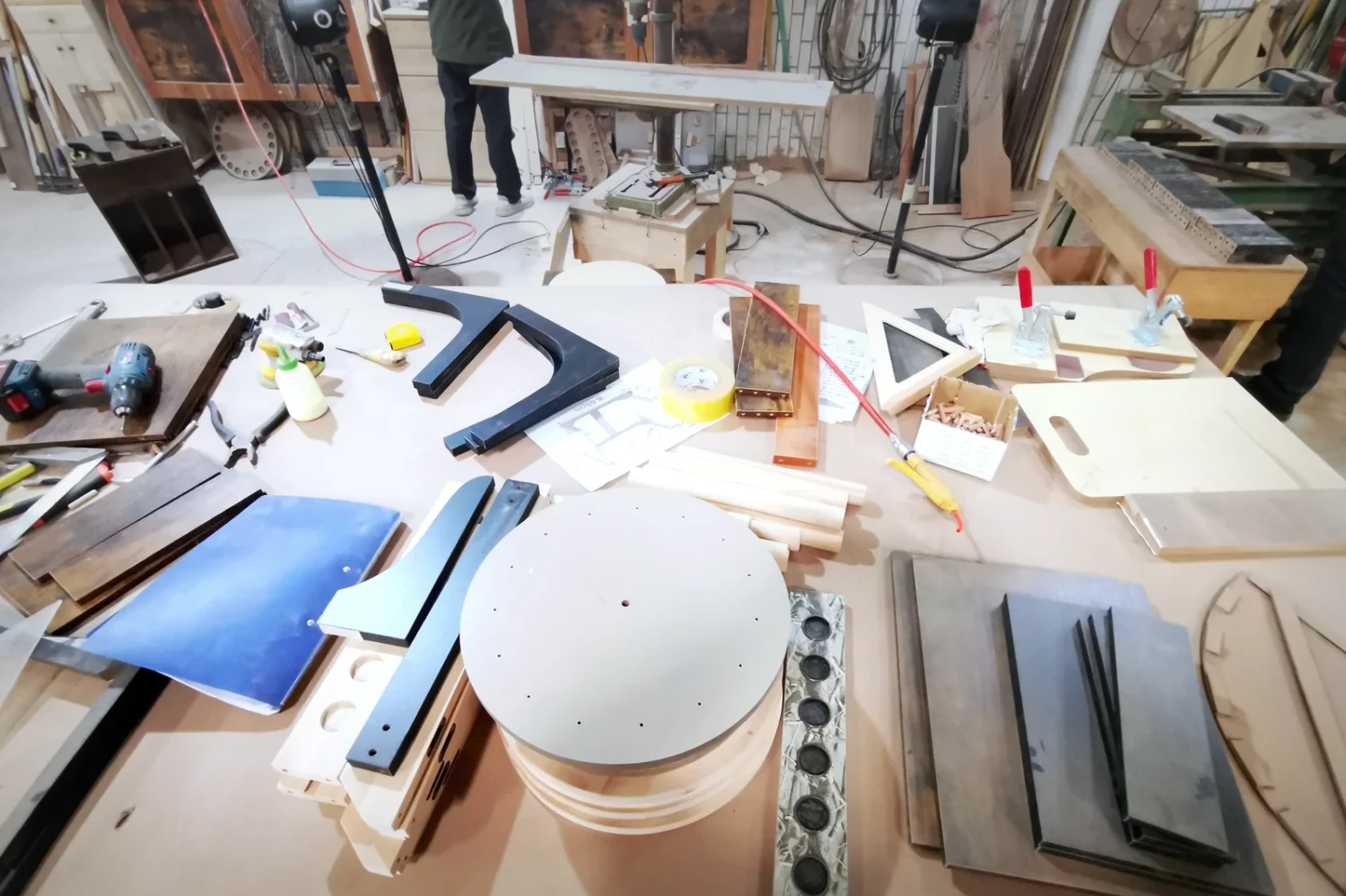
A quote-ready RFQ for flat-pack furniture should identify the product, expected quantity, target market, sales channel, customization scope, packaging needs, delivery destination and known timing or compliance requirements.
You do not need to finalize every technical detail before contacting a manufacturer. However, you should separate confirmed requirements from targets, preferences, questions and assumptions. This gives the manufacturer a clearer basis for reviewing feasibility, identifying missing information and preparing a relevant quotation.
What Makes a Furniture RFQ Quote-Ready?
An RFQ is more useful when it provides both product information and commercial context.
A reference image without dimensions or quantity may not define enough scope for a useful quotation. A detailed drawing without the destination market, packaging needs or sales channel can leave equally important questions unanswered.
A quote-ready RFQ should help the manufacturer understand:
- What product or product family is being considered
- What is already decided
- What remains open to recommendation
- How many units and variants may be involved
- Where and how the product will be sold
- What must be confirmed before sampling or production
The RFQ is not a substitute for a complete production specification. It is the starting point for deciding what can be quoted now and what must be developed or confirmed next.
For the broader process of evaluating products, suppliers and sourcing risks, see the Furniture Sourcing Guide.
Essential Starting Information
Product Reference and Intended Result
Start with a clear product reference. This could be:
- An existing product photo or URL
- A drawing or sketch
- A current model that requires modification
- An existing sample
- A written product concept
Explain whether the reference is intended to be copied closely, adapted or used only as design direction. A photo can start the discussion, but it should not be treated as a complete product specification.
If you are still selecting a product direction, an existing range such as HOMVND’s Living Room Furniture Collection can provide a starting point for discussing side tables, coffee tables, storage furniture and related flat-pack formats.
Target Dimensions, Materials and Finish
Include target assembled dimensions and any known material or finish direction.
If a decision is not final, label it accurately:
- Confirmed requirement: must be followed
- Target: preferred result, subject to feasibility
- Preference: desirable but negotiable
- Manufacturer proposal requested: buyer wants a recommendation
- Open question: not yet decided
- Reference only: provided for context, not approval
For example, “oak-look finish preferred; exact surface reference open” is more useful than allowing an early visual assumption to become an approved specification.
Detailed dimensions, component information, hardware and finish references belong in the project’s working specification. The Furniture Product Specification Sheet explains that technical field model in more depth.
When comparing surface options, use the TFL vs HPL furniture manufacturing guide rather than treating broad terms such as “laminate” as complete material specifications.
Estimated Quantity and SKU Breakdown
State the estimated total quantity and show how it may be divided by SKU, size, finish or other variant.
HOMVND’s furniture MOQ starts from 200 pieces. Current approved evidence does not establish whether this minimum applies per SKU, finish, variant or total order. The RFQ should therefore show the proposed breakdown and ask how the MOQ applies to that project.
If several products are being considered, use a simple SKU table rather than combining all quantities into one number.
Target Market, Sales Channel and Destination
Identify:
- Destination country or market
- Sales channel, such as wholesale, retail or an online marketplace
- Delivery destination or port, if known
- Target launch, delivery or order timing
- Any known channel-specific packaging, labeling or product-data requirements
A target date should be presented as a planning requirement, not as an assumed manufacturing commitment.
Define the OEM, ODM or Private-Label Scope
Explain what you expect the manufacturer to provide.
The project may begin with an existing model, a buyer-owned design or a concept that still needs development. Relevant questions include:
- Are dimensions or configurations expected to change?
- Are new colors, finishes or materials being requested?
- Is private-label carton artwork required?
- Will the buyer provide drawings, artwork and specifications?
- Which items require manufacturer recommendations?
- Are samples needed before production approval?
HOMVND’s customization scope may include dimensions, colors, materials, hardware and packaging, subject to the selected product and manufacturing requirements. Feasibility should be confirmed for the specific project.
The Private Label Furniture Development Guide covers the development path from buyer brief through sampling and production preparation.
Add Packaging, Labeling and Assembly Expectations
For flat-pack furniture, packaging and assembly information should enter the discussion early. They can affect the quotation, sample scope and later product documentation.
Useful RFQ inputs may include:
- Intended distribution channel
- Individual or multi-carton expectations
- Private-label carton artwork
- Product, carton or shipping labels
- Barcode or marketplace labeling requirements
- Manual language
- Hardware organization
- Required parts identification
- Known carton-size or packed-weight targets
- Buyer-supplied packaging specifications
If the packaging design remains open, say so and request a proposal. Do not label an unconfirmed packaging assumption as an approved requirement.
The Furniture Packaging and Marketplace Fulfillment Guide explains the relationship between product protection, carton configuration and channel context. Packaging performance and testing remain specific to the product, packaging design, conditions and evidence available.
State the Sample and Approval Requirements
Explain what the sample is expected to confirm. Depending on the project, this may include:
- Dimensions and proportion
- Material and finish
- Structure and function
- Hardware and assembly
- Artwork and labels
- Packaging or packed-sample configuration
HOMVND samples typically take 7–10 days, depending on scope. Standard production generally takes 35–45 days after specifications and approvals are confirmed. These are conditional project references, not guaranteed completion or delivery dates.
The RFQ should identify the approvals expected before production and any unresolved decisions that could delay that starting point.
Identify Known Testing and Compliance Needs
State the destination market and any known buyer-, customer-, product- or channel-specific requirements.
Where applicable, the RFQ may identify:
- A named regulation or customer protocol
- A required test method
- Material or chemical documentation
- Labeling or traceability requirements
- The party expected to arrange or provide evidence
- Any deadline tied to the evidence
Do not use “must meet all relevant standards” as a substitute for defining the actual requirement. If the necessary evidence is unknown, mark it as an open compliance question.
The Furniture QC vs Product Testing vs Compliance Guide explains why inspection, testing and compliance evidence are related but distinct.
Practical RFQ Example
Illustrative example only: The figures and specifications below are not verified HOMVND product specifications, accepted order terms or commercial commitments.
| RFQ field | Illustrative input |
|---|---|
| Product | Flat-pack side table |
| Reference | Attached existing product photo |
| Target dimensions | 45 × 35 × 55 cm |
| Estimated quantity | 300 pieces |
| Market | Germany |
| Sales channel | Online marketplace |
| Customization | Oak-look finish and private-label carton |
| Open items | Exact material specification, packaging design and application of MOQ |
| Request to manufacturer | Review feasibility, propose the information needed for quotation and identify the next decisions required for sampling |
In this example, the dimensions and quantity are targets rather than approved specifications. “Oak-look” describes a finish direction, not a complete surface specification. The buyer is also asking the manufacturer to confirm how MOQ applies instead of assuming that 300 pieces automatically satisfies every SKU or finish condition.
Add Optional Commercial Context and Open Assumptions
Commercial context can help the manufacturer understand the intended project, but not every field has to be fixed in the first RFQ.
Optional information may include:
- Target price or target cost range
- Preferred Incoterm
- Expected order frequency
- Forecast volume
- Preferred sample or launch schedule
- Existing packaging or specification files
Present these accurately as targets or preferences where they have not been agreed.
End the RFQ with a short list of open questions and assumptions. For example:
- Material specification to be proposed
- Final finish reference pending
- Carton artwork will be supplied later
- MOQ application requires confirmation
- Testing responsibility has not been assigned
- Delivery term remains open for quotation
This prevents an estimate or incomplete reference from being mistaken for an approved production instruction.
Three-Level Flat-Pack Furniture RFQ Checklist
The following is a preparation guide, not a mandatory submission gate. HOMVND can review an initial inquiry even when some information is still open.
| Priority | Recommended information | Purpose |
|---|---|---|
| Essential Starting Information |
| Establishes the product and commercial scope that the manufacturer is being asked to review. |
| Useful Supporting Information |
| Reduces assumptions and helps identify development, packaging and evidence requirements. |
| Confirm During Quotation |
| Records project-specific matters that should not be assumed before commercial and technical review. |
Frequently Asked Questions
Do I need a complete drawing before requesting a quotation?
Not necessarily. A photo, product link, sketch or existing model can start the discussion. Include target dimensions, quantity, market and known customization requirements, then identify which specifications remain open.
What quantity should I include in the RFQ?
Provide the estimated total quantity and a breakdown by SKU, finish, size or other variant. HOMVND’s furniture MOQ starts from 200 pieces, but how it applies to a particular breakdown must be confirmed during quotation.
Can one RFQ include several furniture SKUs?
Yes, a buyer can present several proposed SKUs in one structured request. List each item and quantity separately. Do not assume that different SKUs or finishes can be combined to meet an MOQ; ask the manufacturer to confirm the applicable policy.
Should I include a target price or preferred Incoterm?
They can be useful commercial context, but they should be labeled as targets or preferences unless already agreed. HOMVND’s quotation basis, available Incoterms and related commercial terms require project-specific confirmation.
How long does a sample take?
HOMVND samples typically take 7–10 days, depending on scope. Confirm what the sample includes and which specifications, finishes, packaging elements or approvals are required.
When does the production lead time begin?
Standard production generally takes 35–45 days after specifications and approvals are confirmed. Open specifications or pending approvals should therefore be resolved before treating that period as the production-planning reference.
Share Your RFQ Scope
Send your product reference, expected quantity, target market, sales channel, customization priorities and known packaging or timing requirements. Mark unresolved points as open questions so HOMVND can review the scope without treating assumptions as approved specifications.
Share Your RFQ Scope