
Moisture and Mould Risk in Furniture Shipping: A Buyer’s Pre-Loading Checklist
A practical pre-loading checklist for furniture importers: identify moisture sources, request usable inspection records and agree shipment-specific protection and release decisions.
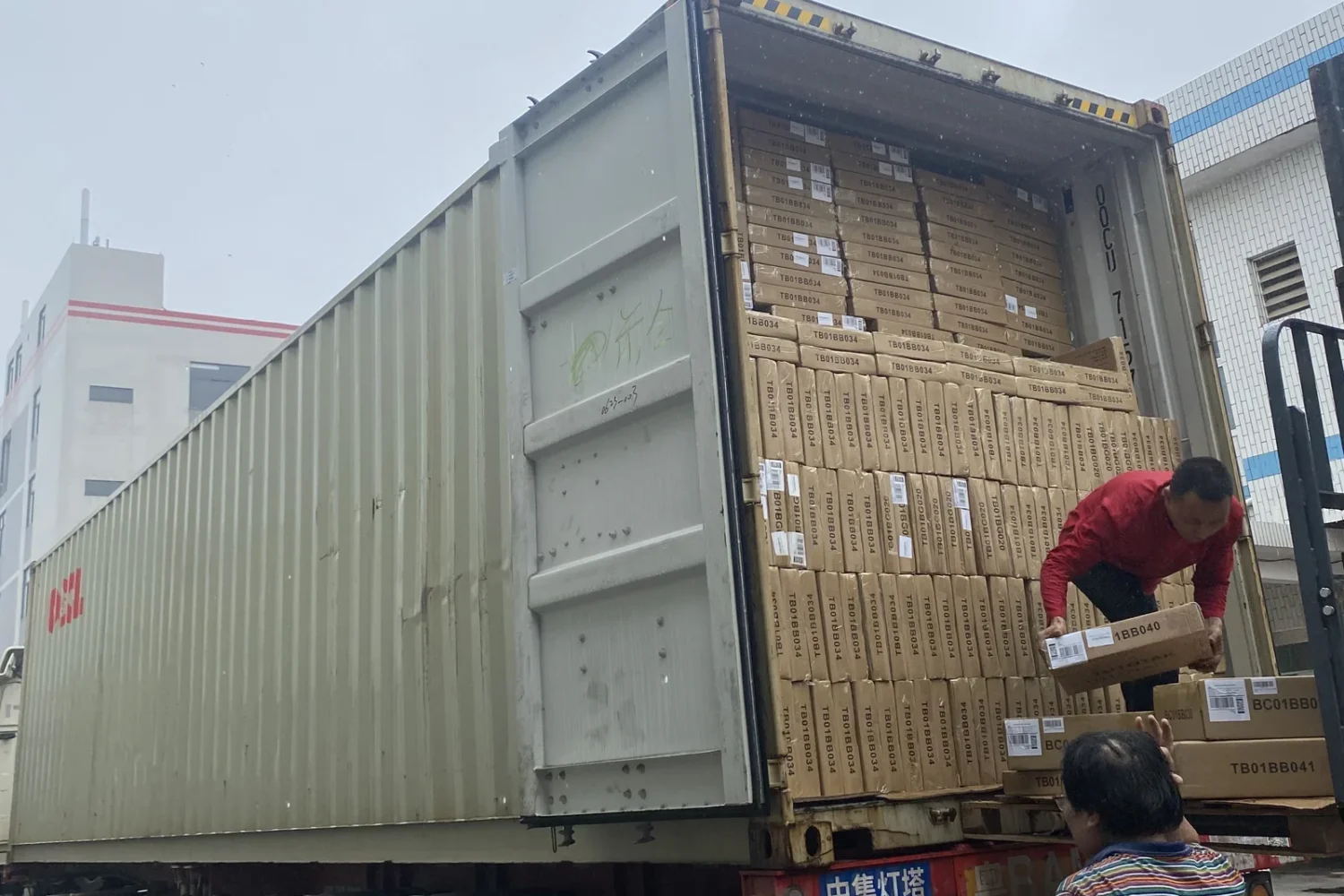
Workers handling furniture cartons at an open shipping container.
Before a furniture container is loaded, the buyer needs more than a promise to “add desiccant.” Establish what moisture may already be present, whether the cargo and container are suitable for the planned journey, and who can stop loading when a condition is unresolved.
This guide is for importers, private-label brands and e-commerce sellers buying panel furniture, metal-and-wood furniture and related flat-pack products. The checklist below is a suggested purchasing tool, not a statement that HOMVND performs every check on every order. Agree the scope with the supplier, loading team and logistics provider before the loading date.
Separate Water Entry from Moisture Already Inside
The IMO/ILO/UNECE CTU Code is a non-mandatory international packing reference. Its Annex 3 explains that cargo, porous packaging, timber supports and loading conditions can introduce moisture. Cooling can then produce condensation on container surfaces or on cold cargo exposed to humid air.
For a furniture shipment, turn that distinction into three different questions:
- External water: Were cartons exposed to rain between the warehouse and loading bay? Is there a roof, wall or door-seal defect that needs the container operator’s attention?
- Moisture carried with the load: What is known about the condition of the panels, paper-based inserts, cartons, wooden pallets and bracing? A dry-looking carton exterior does not answer every question about its contents.
- Changing transport conditions: What temperature changes, transshipment waits and destination storage conditions are expected? A check made in the loading warehouse is evidence of that place and time, not a forecast of conditions throughout the journey.
Keep these questions separate in a supplier discussion. Replacing a leaking container, examining rain-exposed cartons and specifying a moisture-protection system are different decisions. One action does not close the other two.
Check the Product and Packaging as Separate Objects
Panels, metal components and any textile parts
Ask the supplier to identify the material and component being checked. For panel furniture, name the shelf, side panel or tabletop, its substrate and its surface and edge construction. Review any observed swelling, lifted edges, staining or dampness against the project’s acceptance reference. Record the location and extent; do not diagnose the cause from a photograph alone.
For metal frames and hardware, record visible droplets, rust-coloured marks or coating abnormalities on identified parts. Where a product includes fabric or other absorbent parts, include those parts in the inspection scope. An unfamiliar odour or visible growth is a reason to isolate and escalate the affected goods, not an instruction to clean or chemically treat them using this guide.
Outer cartons, inserts and loading materials
Inspect carton bottoms as well as tops and sides, especially units nearest doors, floors or an exposed loading route. Record wet patches, softened areas, distorted seams and affected carton references. Ask whether the inserts and contents were examined when an outer carton was found wet. Replacing the outer box alone does not document the condition inside it.
Include pallets, timber bracing and other dunnage—the materials used to support or separate the load. Ask where they were stored and whether they were exposed to rain or a wet floor. The carrier’s container packing guidance, section 4.1, specifically discusses moisture in cargo and stowage materials. Do not let a satisfactory product inspection stand in for an examination of materials introduced later by the loading team.
Use the existing flat-pack packaging requirements guide for the approved pack-out and component arrangement. Here, the purchasing decision is whether those identified items are in an acceptable condition for loading.
Make Moisture Readings Interpretable
A number labelled “moisture” is not enough to support acceptance. Before requesting measurements, agree the material, method, instrument and decision reference. Ask the person taking readings to record:
- The component, carton, pallet or timber piece, with batch or location references and the checked sample scope.
- The instrument model, applicable material setting or scale, calibration/check reference, and measurement points or depth where relevant.
- The date, time, relevant temperature or conditioning information, individual results, and whether the result is a moisture-content percentage or a comparative reading.
- The material-specific acceptance reference, who established it and who will assess an outlying result.
Do not compare a timber reading, an engineered-panel reading and a paperboard reading as though they were the same measurement. For example, Delmhorst’s instrument guidance treats readings on particleboard and other manufactured materials as qualitative comparisons unless a suitable specific calibration is developed. That example illustrates why the actual meter instructions matter; it is not a prescription to use that instrument.
Relative humidity describes air, whereas material moisture content describes the tested material. A warehouse humidity reading cannot replace a panel or carton assessment. If the method or limit is missing, classify the result as unresolved rather than copying a timber limit into the furniture purchase specification. No single moisture percentage is proposed here for all furniture or packaging.
Inspect the Empty Container and the Loading Route
Have the loading team check the empty container before cartons conceal its interior. The CTU Code’s section 8.2 covers dry, clean interiors, doors and seals, damage and possible leakage. Record the container number with photographs of the floor, walls, roof interior and doorway, and identify any suspect repair or wet area.
Ask the operator to resolve a suspected leak, unexplained persistent stain, liquid or damaged door seal before loading. Any entry or leak-check procedure should be carried out by trained personnel using the site’s safe procedure; do not improvise a test by shutting someone inside.
Check the path from storage to container too. Is it covered? Can rain reach staged cartons? If loading pauses, who protects the waiting goods and checks the condition before work resumes? Record actual weather and exposure events, not just “warehouse dry.” If the container was recently cleaned, ask the loading team to confirm its condition at loading rather than relying on the cleaning time alone.
Choose Protection for the Product, Pack and Journey
Send the protection provider a brief covering the material mix, package construction, load arrangement, known moisture-condition evidence, loading location and season, intended route, transit and storage time assumptions, transshipment and destination handling. Mark uncertain journey details so the provider can state the limits of its proposal.
Desiccants: request a basis, not a standard bag count
The CTU Code warns that desiccants can be overwhelmed by hygroscopic cargo that is not suitably dry. Ask the proposed provider to identify the product, quantity basis, intended protected space, installation positions, capacity assumptions and limits under the expected conditions. Record how the loading team will verify installation and prevent unintended contact or leakage onto goods, following the selected product’s instructions.
A proposal should say whether it addresses individual packages or the container environment. A small sachet photographed beside a carton does not establish protection for the whole load. If the provider cannot relate the proposal to the actual shipment, obtain clarification before treating it as an agreed control.
Barriers and liners: specify what they are meant to do
A sealed moisture barrier and an overhead drip-catching liner serve different purposes. Request the barrier specification, closure method and condition required before sealing. For a liner, ask how it will be supported and what happens when its absorption capacity is reached. GDV’s Container Handbook describes saturation and possible problems with simple plastic-sheet arrangements; covering cargo is not automatically a complete solution.
Do not independently substitute film, perforate packaging or add liners to a previously agreed pack. Have the packaging and loading parties assess the proposal against the product protection and loading requirements. The decision should identify the purpose and limits of each measure.
Ventilation and destination handling: confirm feasibility
Small openings in a standard dry container do not amount to a planned ventilation system, as Hapag-Lloyd’s guidance explains. Any ventilation requirement needs confirmation against the actual equipment and route. Before dispatch, also obtain a destination handling plan where temperature changes could matter; CTU Code Annex 3 distinguishes different climate transitions, so a universal “open immediately” or fixed waiting period is inappropriate.
CMA CGM’s Tailored Container Dressing information shows that carrier discussions may include liners and desiccants for sensitive cargo. Use it to frame questions about available arrangements. Its service descriptions do not establish suitability for a particular furniture shipment or a guarantee against moisture damage.
A packaging test is a separate evidence question. If an ISTA report is offered, check the package, procedure and conditions it actually covers using the ISTA packaging testing guide; do not treat “tested packaging” as proof of every voyage’s moisture performance.
A Buyer’s Pre-Loading Moisture Checklist
Agree these checkpoints before the loading appointment. Each record should identify who checked it and when. The final column makes the pending decision visible; a photograph or measurement does not itself authorize release.
On a phone, swipe the table horizontally to reach “Confirm before loading.”
| Check object | Record to request | Confirm before loading |
|---|---|---|
| Furniture components | Identified panels, metal and textile parts; checked units; photos of dampness, staining or other abnormalities. | Supplier: affected scope and assessment. Buyer’s named decision owner: acceptance or further inspection. |
| Moisture measurements | Material, meter/method, scale, points, conditions, results and applicable limit or comparison reference. | Supplier/technical assessor: method suitability. Buyer: agreed criterion; resolve unexplained results. |
| Cartons and inserts | Top, side and bottom condition; rain/storage exposure; affected carton IDs; any internal examination. | Supplier: contents assessed, packaging action and recheck. Do not close an issue with a new box alone. |
| Pallets and dunnage | Material/source, storage condition, wet areas and any agreed material-specific readings. | Loading team and provider: suitable materials available; suspect pieces withheld or replaced. |
| Empty container | Container number; floor, wall, roof-interior and door photos; water, seal and repair findings. | Loading team/operator: suitability or replacement; no unresolved leak concern hidden by cargo. |
| Loading exposure | Weather, covered transfer route, staging conditions, interruption and recheck times. | Loading supervisor: stop/resume arrangements and checks for any exposed cartons. |
| Protection and route | Provider’s design basis and instructions; installed material/quantity/positions; journey and storage assumptions. | Buyer, supplier and logistics provider: accepted scope, limitations and review if the route or delay changes. |
| Open exceptions | Affected cartons/parts, observation, proposed action, recheck evidence and decision reference. | Named release owner: hold, rework/recheck, replace or scoped acceptance before the affected goods are loaded. |
Assign the Information and the Release Decision
The buyer supplies destination and receiving arrangements, the intended product/package reference, project acceptance requirements and the person authorized to decide on exceptions. Confirm what that person can approve and how they can be reached during loading.
The supplier supplies component and packaging information, storage/exposure history, agreed inspection or measurement results, and the scope of any affected stock. If a packaging or moisture-protection specialist is needed, name that party rather than expecting a sales contact to invent a technical limit.
The loading team records the actual container, dunnage, loading weather, installed measures and deviations from instructions. The logistics provider confirms the booked equipment, available route/timing information and any agreed container-preparation service or destination coordination. These are proposed project handoffs; confirm the contractual roles because the manufacturer, packer, shipper and forwarder may be different parties.
Resolve Wet Packaging or Unclear Results Before Loading
For an unresolved condition, hold the affected goods out of the loading sequence and identify them so they cannot be mixed back into accepted stock. Record the observation separately from the suspected cause: “bottom of carton wet” is an observation; “container leak” remains a hypothesis until investigated.
Hypothetical example—not a HOMVND case: cartons beside an uncovered loading bay have wet bottom panels after rain. The supplier identifies the exposed group and examines the specified contents and inserts. The loading team checks whether the transfer route is now protected. The buyer’s decision owner reviews the findings and any replacement/repacking and recheck evidence before deciding which identified cartons can be loaded. Adding desiccant does not answer whether the original contents were affected.
Keep the decision tied to the exact scope: goods withheld, action completed, evidence reviewed, remaining uncertainty, decision-maker and time. If only part of the shipment is cleared, reconcile the loading list and packing list accordingly. If no competent decision is available, leave the exception open and escalate the loading plan; silence is not acceptance.
The broader furniture QC guide covers general inspection and corrective-action records. This moisture checklist ends at the pre-loading decision; receiving-damage evidence and claims require a separate handover.
Bring the Moisture Questions into the Packaging Brief
For a HOMVND project discussion, send the product shortlist and material mix, current pack-out, destination and planned loading season, route/storage assumptions, and any known exposure or inspection concern. Identify which details remain open so the supplier and logistics parties can confirm the checks and measures appropriate to the project.
Discuss Your Furniture Packaging Brief
Technical references checked on 4 November 2026: CTU Code (2014), Annex 3 and section 8.2, with carrier, GDV and instrument guidance linked above. IMO’s September 2026 CCC 12 summary says the revised Code is to be submitted to MSC 112 in December 2026 for approval. This guide does not treat that draft revision as an approved replacement.