
Sourcing Furniture from Alibaba: How Buyers Should Screen Suppliers
Sourcing furniture from China for your project is essential to finding the right supplier. Many of them claim to be able to produce good quality furniture but cannot in the end. Here are guidelines that will help you identify a good manufacturer:
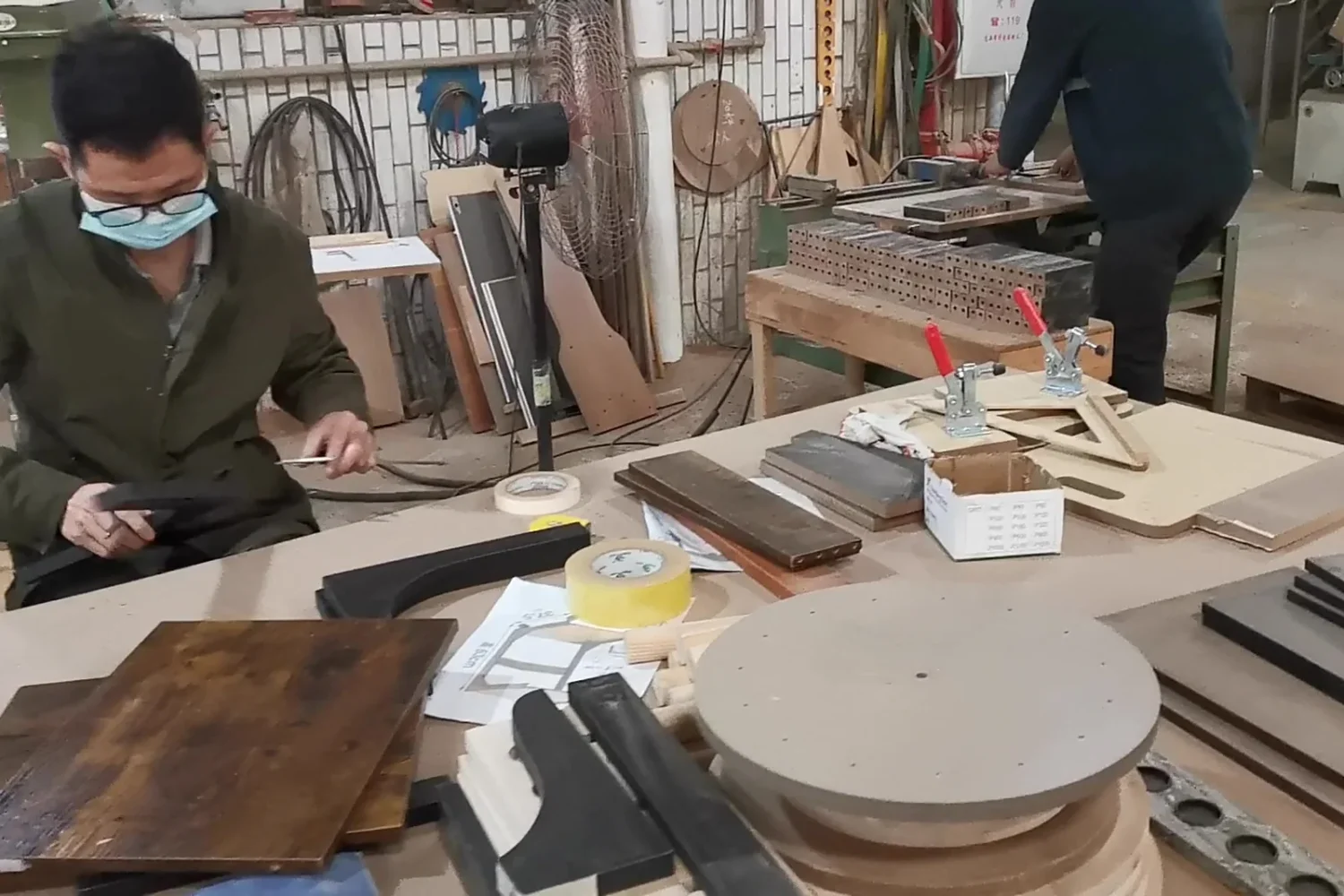
Alibaba can help furniture buyers build an initial supplier shortlist, but platform listings alone are not enough to approve a supplier or production project. The useful role of the platform is narrower: translate a clear furniture brief into search terms, identify relevant listings, compare the information suppliers choose to display and collect comparable replies from promising candidates.
That screening work should end with a decision about who merits deeper evaluation. Product quality, factory capability, compliance, production consistency and suitability for a specific project still require project evidence outside the listing itself. A badge, review, transaction figure or manufacturer label may help buyers decide what to inspect next; none of those signals closes the decision.
Start with a Clear Furniture Sourcing Brief
Search quality depends on the brief behind the keywords. Before opening a marketplace, define the furniture category and the main decisions a supplier will need to interpret. A reference image or URL can show the product direction, but the brief should also state what must be confirmed rather than leaving the supplier to guess from the image.
The brief is not yet a complete product-development package. Its purpose at this stage is to create relevant searches and consistent inquiries. Open technical questions can remain open as long as they are visible and every candidate is asked to address the same assumptions.
Use Alibaba Search to Build an Initial Supplier Shortlist
Build search phrases from the product rather than from broad claims such as “best supplier.” Combine the category with a relevant construction, material, function or format—for example, a flat-pack metal-frame bookshelf or a wall-mounted storage cabinet. Try related wording when the category has several common names, then record which terms produce genuinely relevant products.
For the first pass, look for product relevance, category focus, evidence of similar product experience and reasonable consistency between the listing and the supplier profile. A broad catalog is not automatically better or worse than a focused one; the question is whether the displayed range supports the type of furniture in the brief. Sponsored placement, search position or a polished hero image should not be interpreted as a quality ranking.
Read Product Listings as Screening Evidence, Not Final Proof
A listing can provide useful provisional data: dimensions, material wording, variants, MOQ, packaging statements, customization options, lead-time statements, images and basic specifications. Capture those fields in the shortlist so missing or contradictory information becomes visible. Do not copy the listing directly into an approved project specification.
Listing values are supplier-provided and may describe one variant, an example configuration or a starting commercial condition. MOQ belongs to the listing and supplier context, not to Alibaba as a universal rule. Sample and production timing are assumptions until the supplier confirms the actual brief, material, finish, packaging, quantity and approval status.
If a listing shows certifications or standards—such as ISO, BSCI, Sedex, FSC, CARB, REACH, CE, EN or ASTM references—record the statement as a question, not a project conclusion. Where a requirement applies, request current evidence for the relevant entity, product, material, market and validity period. A profile label or document thumbnail does not establish applicability to the furniture project.
Review Supplier Profiles and Platform Signals Carefully
Review the business profile, product categories, platform history, displayed business information, assessment material and available review or transaction context. Check whether the profile tells a coherent story about the products in the shortlist. Contradictions—such as unrelated categories, inconsistent material wording or unclear company identity—are prompts for questions, not automatic proof of misconduct.
Alibaba.com currently describes Verified Supplier as a membership tier with on-site verification services from a third-party inspection company and an assessment report available to buyers. That definition can support screening, especially when the report answers a specific question. It does not by itself prove product quality, reliability, compliance, delivery performance, factory capability for the requested item or project suitability.
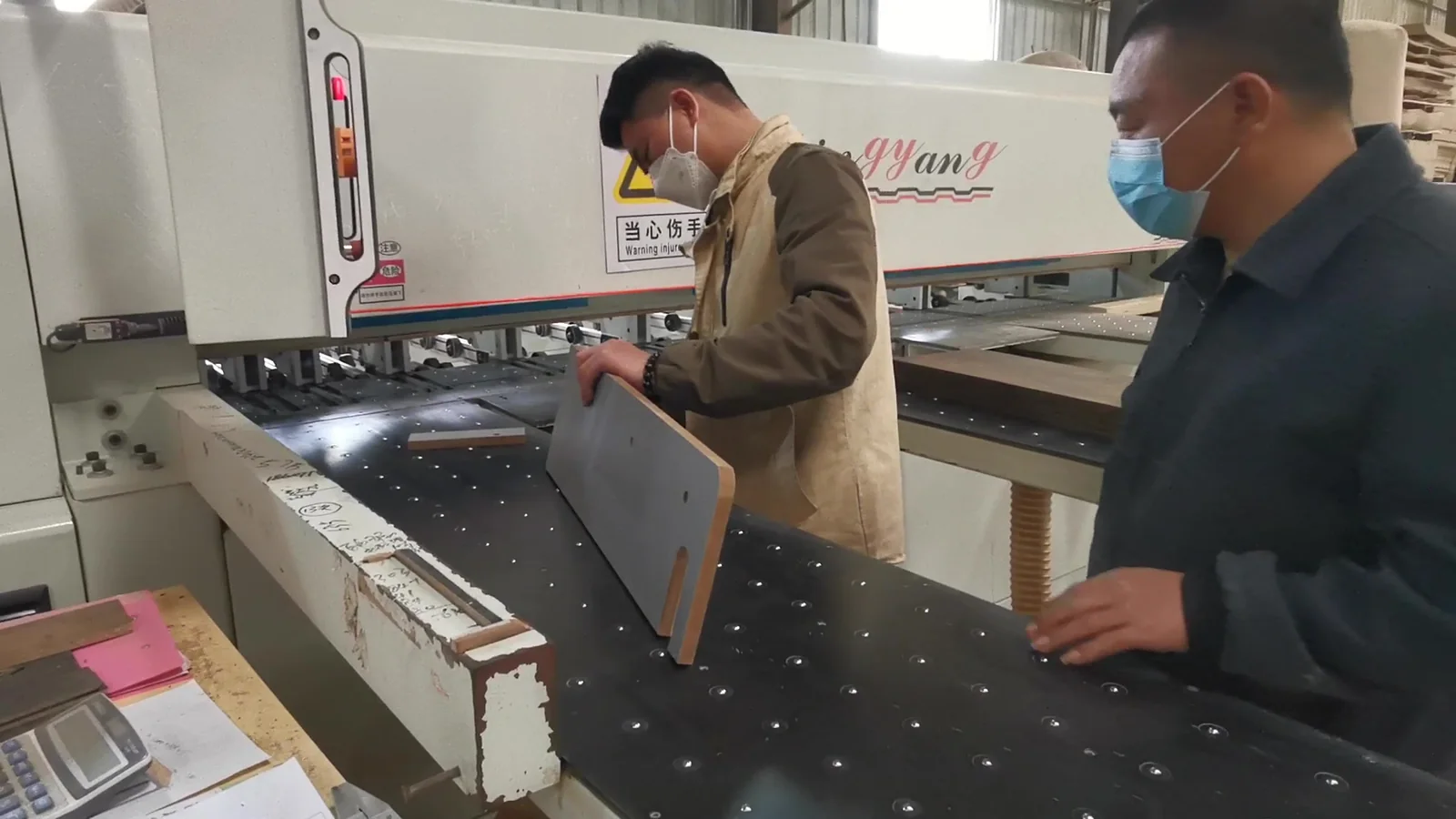
Use the same boundary for years on the platform, ratings, reviews, response metrics, transaction displays and manufacturer or factory labels. They may help prioritize follow-up questions. They cannot establish future order performance, manufacturing consistency or the capability to meet a defined specification.
Send an Inquiry That Produces Comparable Information
Send shortlisted suppliers the same core project information. Include the product reference, approximate dimensions, material and finish direction, target quantity, packaging and branding needs, destination market, sample requirement and the specific evidence or questions needed at this stage. Mark which details are fixed and which are open to supplier proposals.
Ask suppliers to identify their assumptions rather than forcing an immediate yes-or-no answer. A useful reply explains what product or construction the price covers, what remains unconfirmed and what information is needed for a firmer quotation. If a supplier proposes an alternative material, dimension, MOQ, pack-out or finish, record it as an alternative instead of merging it into the original brief.
Keep the inquiry concise and consistent; the goal is comparable information, not a long email template. If the project advances into specification, sampling, revision and production-release decisions, the Private Label Furniture Development guide covers that later workflow.
Compare Quotations Beyond Unit Price
A quotation is only comparable when its assumptions are visible. One supplier may quote a different material, packaging scope, MOQ, sample condition or commercial basis from another. A lower or higher unit price does not establish quality; first normalize what each quote includes, excludes and still needs to confirm.
| Comparison area | What to compare | What still needs confirmation |
|---|---|---|
| Product specification | Dimensions, function, construction and included components | Controlling drawing or specification and approved revision |
| Material / finish | Named material, thickness or grade where relevant, color and finish assumptions | Project-specific material and finish evidence or sample reference |
| MOQ | Quantity basis, variant or color split and any mixed-SKU condition | MOQ for the actual configuration and order plan |
| Sample | Sample scope, charge, freight, revision allowance and stated timing | Approval criteria and timing after the brief is confirmed |
| Packaging | Carton, protection, manual, labels, branding and whether packaging is included | Approved packed-unit specification and destination requirements |
| Commercial terms | Price basis, tooling or setup, payment assumptions, exclusions and quote validity | Contract terms and costs tied to the final project scope |
| Lead-time assumption | What event starts the stated sample or production clock | Timing after specification, approvals, materials, packaging and capacity are confirmed |
Record unanswered fields instead of filling them with assumptions. The useful output is a comparison of like-for-like proposals and a clear list of questions for the next round.
Decide Which Suppliers Should Move to Deeper Evaluation
The shortlist can advance when a supplier’s reply is relevant, specific and internally consistent enough to justify further work. Useful indicators include clear handling of the brief, transparent assumptions, willingness to document alternatives, a quotation that can be normalized and appropriate evidence for the questions asked. This is qualification for deeper evaluation, not final approval.
Qualified candidates may next enter specification review, supplier evidence review, sampling, commercial confirmation, packaging review, QC planning and production-readiness decisions. The Furniture Sourcing Guide owns that complete framework. This Alibaba article stops at the handoff from platform screening to project-based evaluation.
Do not turn a platform shortlist into a full factory audit from a distance. Where the project requires deeper operational, compliance, capacity or financial review, define the scope and obtain appropriate evidence or qualified support for that decision.
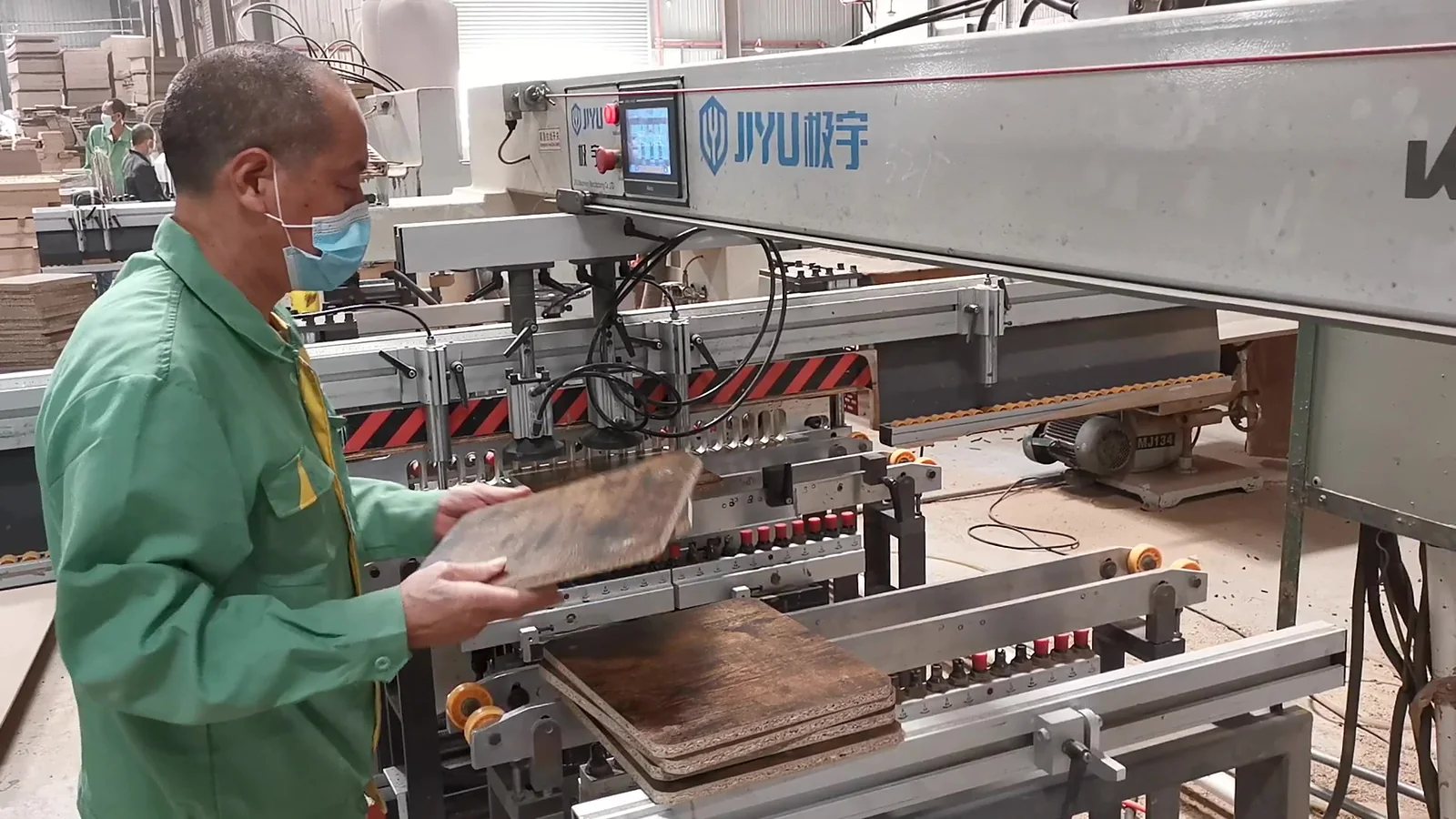
Alibaba Furniture Supplier Screening Checklist
- The furniture brief is defined before searching.
- Search terms reflect the product, material, construction or function.
- Relevant suppliers are shortlisted without treating ranking as quality.
- Listing information and missing fields are recorded.
- Displayed MOQ and timing are marked for confirmation.
- The supplier profile is reviewed for product and identity consistency.
- Badges, reviews and transaction data remain screening inputs only.
- The same core inquiry is sent to each candidate.
- Specification and material assumptions are compared.
- Sample, packaging and commercial terms are compared.
- Project-required evidence is requested and scoped.
- Only qualified candidates move into deeper evaluation.
How Alibaba Fits into the Wider Furniture Sourcing Process
Alibaba is most useful near the start of the process: discovery, shortlisting, initial information review and comparable inquiries. Platform transaction tools may become relevant later, but they do not change the need for a closed specification, supplier evaluation, sample decisions, packaging review or QC.
Alibaba.com’s current Trade Assurance page describes secure payment options, order-term-based support and assistance with resolutions that may include refunds or compensation for eligible order issues. Buyers should review the current terms, order details and eligibility for their transaction. Trade Assurance is not a general product-quality guarantee, factory approval, compliance guarantee or substitute for project specification and inspection.
After development and production begin, inspection should compare the actual furniture with the approved project reference. The Furniture Quality Control guide covers that later evidence task without turning platform signals into inspection results.
For product context after the sourcing framework is clear, browse the HOMVND Furniture Collections. This is a restrained commercial handoff, not a claim that platform screening has approved a supplier or project.