
Cat Tree Materials: What Buyers Should Specify and Compare
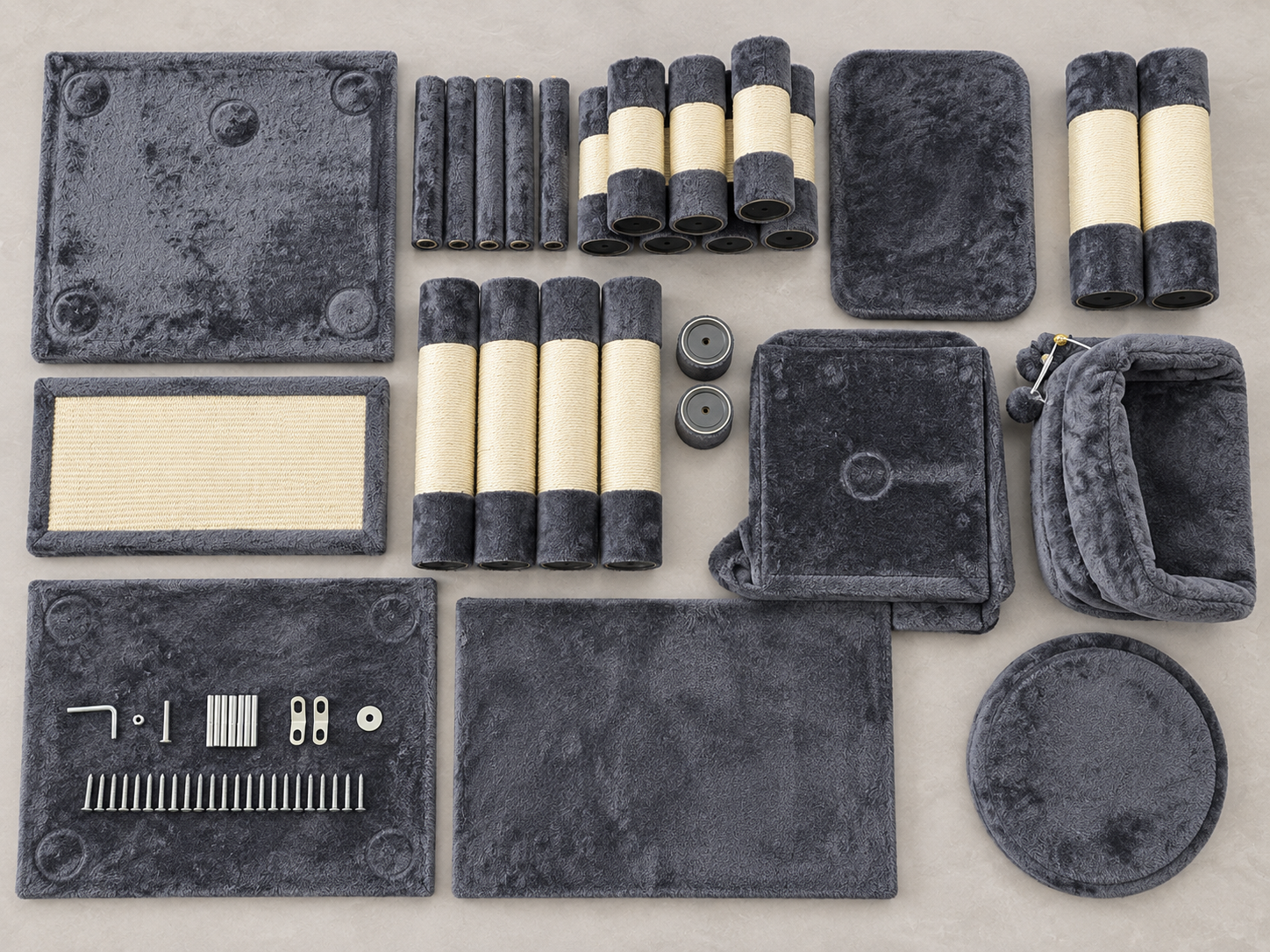
A cat tree material specification should be written component by component. Labels such as “particleboard,” “sisal,” “plush” and “hardware” identify broad material groups, but they do not define the dimensions, finish, attachment, mating parts or assembly relationship of a production component.
Two flat-pack cat trees can use the same material labels and still differ significantly in structure, assembly, finish and packing behavior because the component definitions are different. A board with a changed hole position, a post with different end details or a covering that closes a hardware opening can alter how the product goes together even when the material name has not changed.
The buyer therefore needs a current record that connects each material to the named board, platform, post, scratching surface, covering or hardware item. Fixed values should not be copied from another model and presented as universal rules. The correct value is the value approved for that SKU or project.
Specify Cat Tree Materials by Component, Not by Label
“Gray plush with sisal posts” can communicate a visual direction, but it is not a production-ready specification. The phrase does not identify which boards receive the covering, how openings and edges are finished, where the scratching coverage begins and ends, which post fits which platform, or what hardware connects the parts.
A useful component record combines identity and relationship. It may include a part code, approved material or finish reference, relevant dimensions, attachment method, mating component, hardware reference and current revision. The exact document format can vary, but the fields should allow the sample, drawing, hardware list and manual to describe the same product.
| Component area | What to specify | What to compare |
|---|---|---|
| Boards, platforms and bases | Material reference, part dimensions, thickness where relevant, finish and hole positions | Current drawing, component record and approved sample |
| Posts and cores | Part identity, dimensions, end details and mating connections | Post reference, platform layout and hardware list |
| Sisal and scratching surfaces | Material reference, coverage, attachment and finished transitions | Approved finish reference and sample |
| Plush, fabric and coverings | Color, texture, coverage, seams, edges and openings | Approved sample, swatch or finish reference |
| Hardware and connectors | Identity, count, finish, matching parts and required tool | Hardware list, manual and packed set |
| Component interfaces | Hole, insert, connector, support and mating-part relationships | Drawing, assembly sequence and assembled sample |
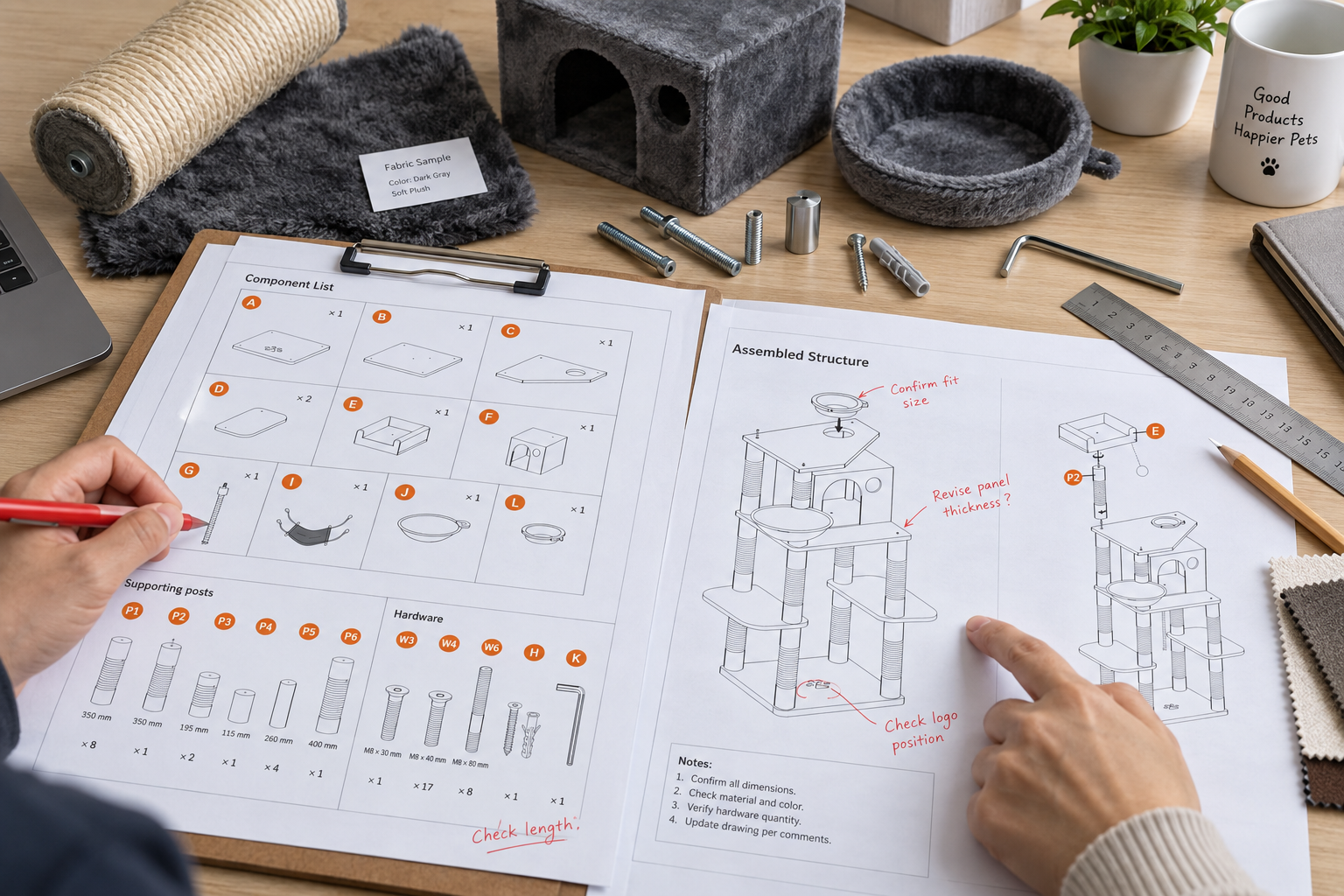
Boards, Platforms and Bases: Specify the Component Requirements
For each board, platform or base, identify the component before comparing the material. The record may need the board or material type, length, width, shape, thickness where relevant, hole positions, edge condition, visible finish and covering reference. A base, upper platform and enclosure panel can have different roles, so a single material line for the whole product may hide important differences.
Particleboard and MDF can both appear in furniture or pet-furniture records, sometimes in different parts of the same product. The choice depends on the component, product design, weight, finish, connection method and approved specification. A color, edge treatment or visual similarity does not prove the underlying board type, and a higher density or greater thickness should not be presented as automatically better without a matched design and performance reference.
Comparison should also capture the relationship to adjacent parts. Check where the board meets a post or support, which holes receive inserts or bolts, and whether the covering or edge finish leaves the connection area usable. Flatness, visible defects and finish condition can later become inspection checkpoints, but the specification first needs to define the component and the accepted reference.
Posts and Scratching Surfaces: Specify Construction and Coverage
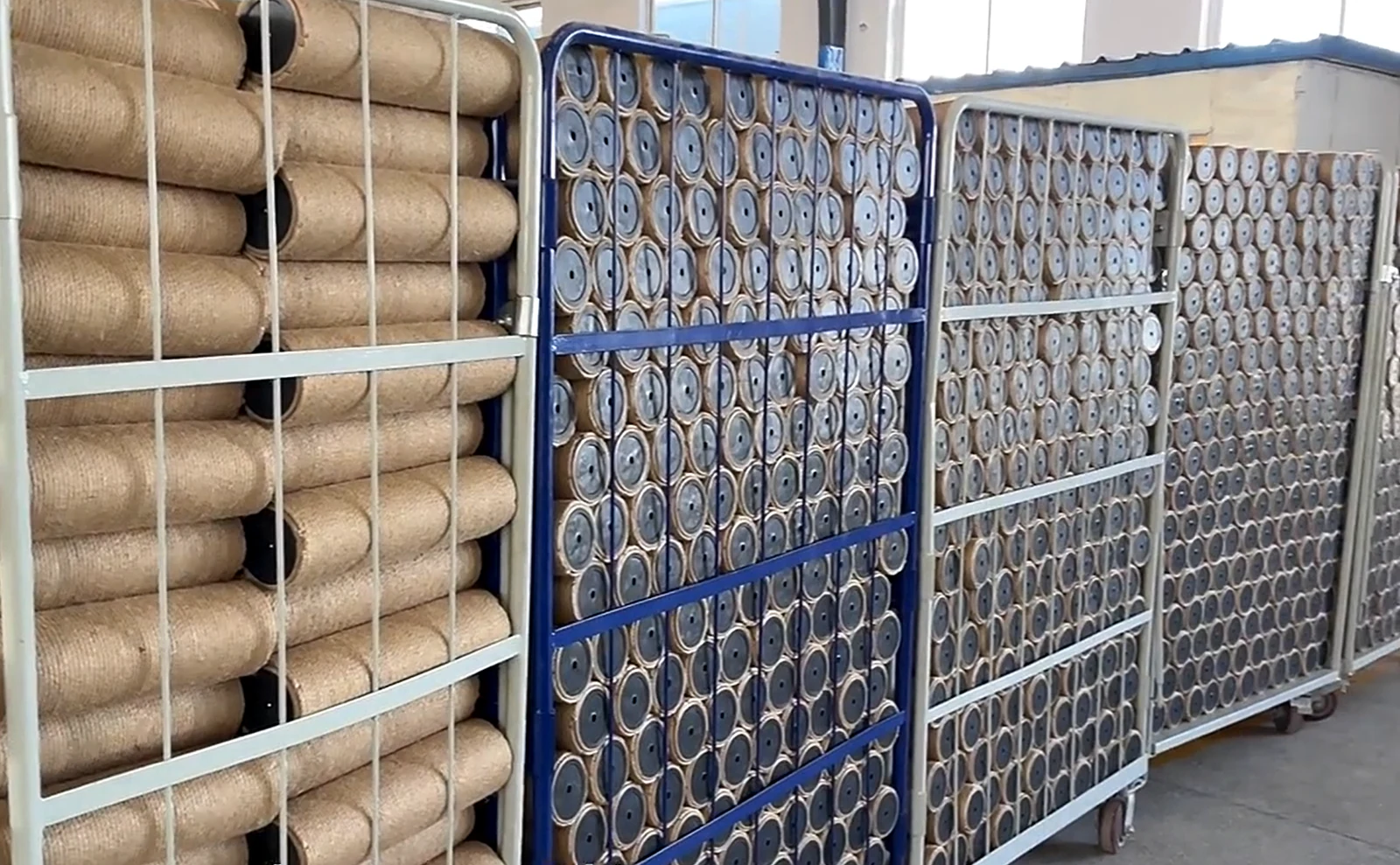
“Sisal post” is not enough to distinguish one post from another. A post specification can identify the post or core, its project-specific dimensions, end construction, threaded or other connection details, scratching-surface reference, coverage area and the platforms or hardware it must meet.
The scratching surface should be described with the same discipline. Record the approved rope, fabric or other surface reference; where the coverage starts and stops; how it is attached; and how the ends or transitions are finished. If adhesive, fasteners or a replaceable section are part of a named project, record them as project requirements rather than assuming they apply to every model.
Existing cat tree records show that post and rope dimensions vary by SKU. That variation is a reason to retain the named component value, not a basis for selecting one diameter as an ideal or standard. Material wording also should not imply that natural sisal alone guarantees a wear life, scratch-cycle result or finished-product performance.
Plush, Fabric and Other Coverings: Define the Visible Finish
A covering specification needs an approved color and texture reference, but it should also show where the material is used and how it is finished. Review coverage around platforms, openings and enclosed areas; seam positions; finished edges; transitions between surfaces; and the clearance around inserts, bolts or other hardware interfaces.
Fabric weight or density can be a project field when the buyer and product record require it, but a larger number is not automatically proof of a better covering. Pilling, shedding, color consistency, cleanability, attachment and visual appearance are separate questions that require relevant references or test evidence. Terms such as “premium plush,” “pet-safe” and “non-toxic” should not replace the actual project documentation.
The approved sample, swatch or finish reference should agree with the current specification. When a sample uses one gray tone and the component record uses another, the buyer needs the accepted reference and revision status rather than a general statement that both are gray.
Hardware and Connectors: Treat Small Parts as Part of the Specification
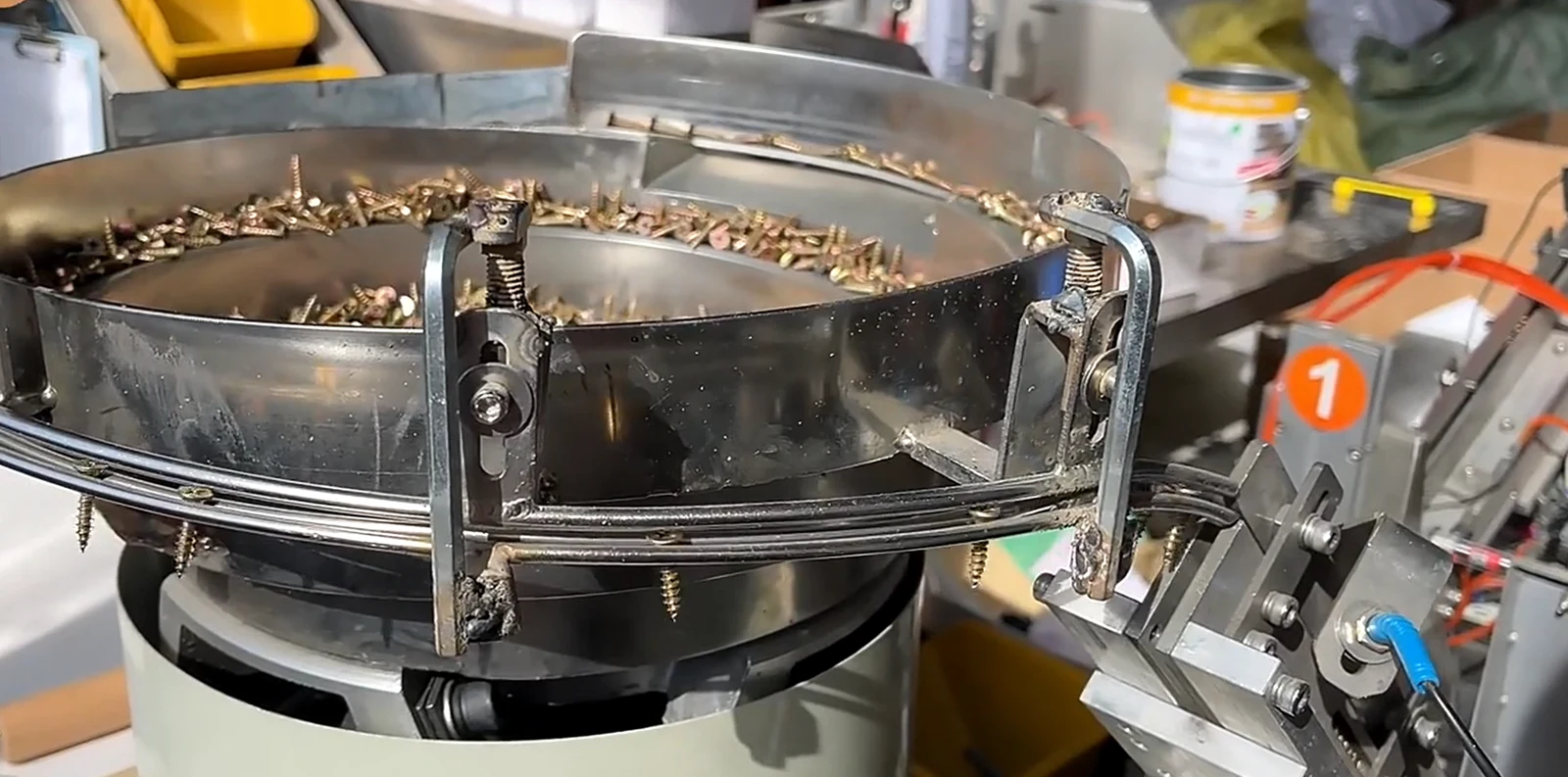
Bolts, threaded inserts, brackets, washers, connectors and tools determine how the flat-pack components become an assembled product. The hardware record should identify the item, count, finish, mating hole or insert, installation location and required tool. Spare hardware belongs in the record only when the project specifies it; a fixed extra quantity is not a universal rule.
The same identity should carry through the hardware list, assembly instructions and hardware bag. If the manual calls a bolt B3 while the packed list uses a different description, the material set is not fully defined even if the physical bolt fits. Labels and grouped bags can support component identification for applicable projects, but they should not be presented as a company-wide process without project evidence.
Hardware geometry should be described without turning it into an unsupported safety conclusion. A countersunk head, washer or bracket may be the approved design for a specific connection, but the component name alone does not prove load capacity, ingestion prevention or safe use.
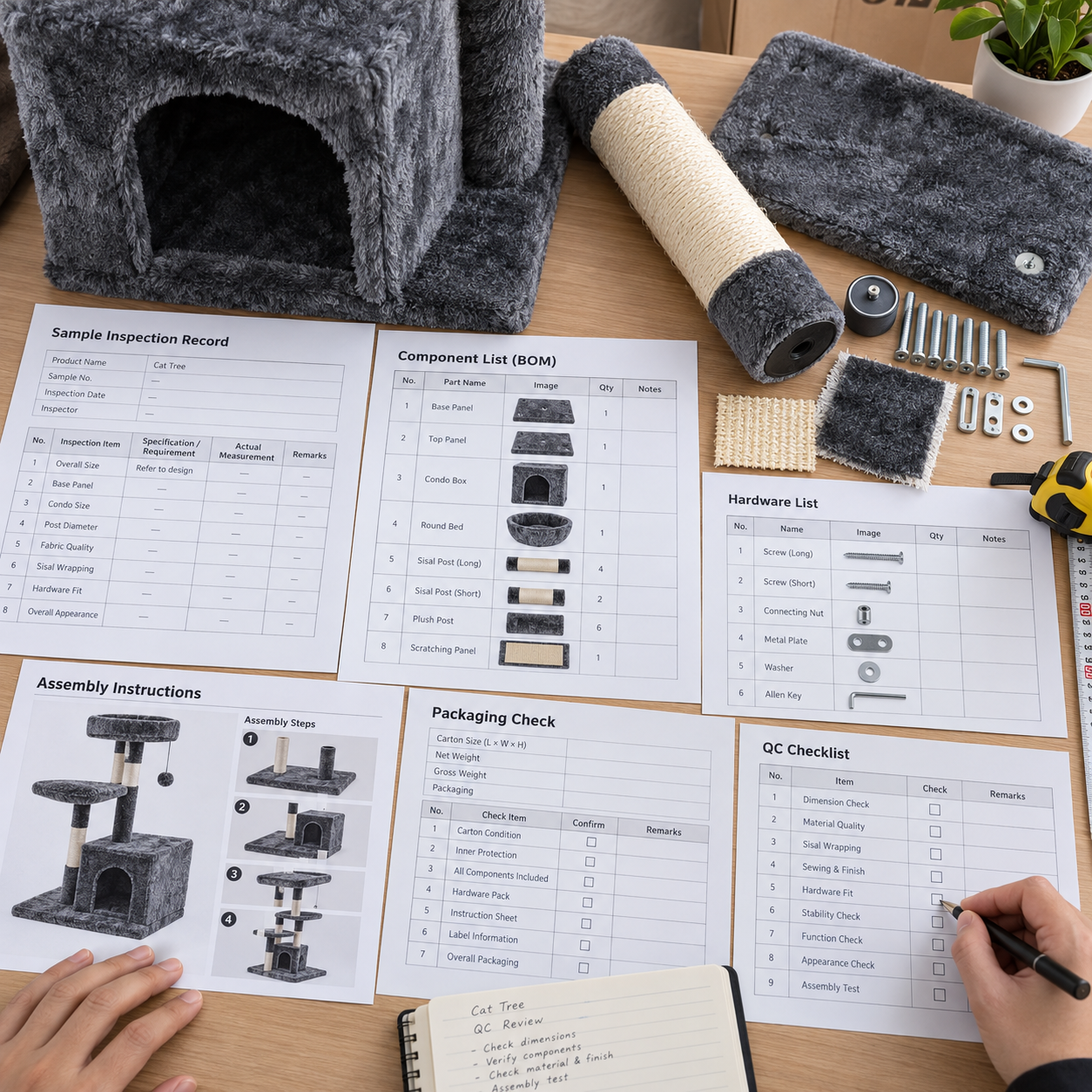
Component Interfaces Matter as Much as the Materials
A material can match its written label while the product still has an interface problem. The board and post may each be correct, but a hole can be misplaced. The insert and bolt may each be the named type, but their engagement can differ from the approved connection. A covering can match the color reference while obstructing a hardware opening.
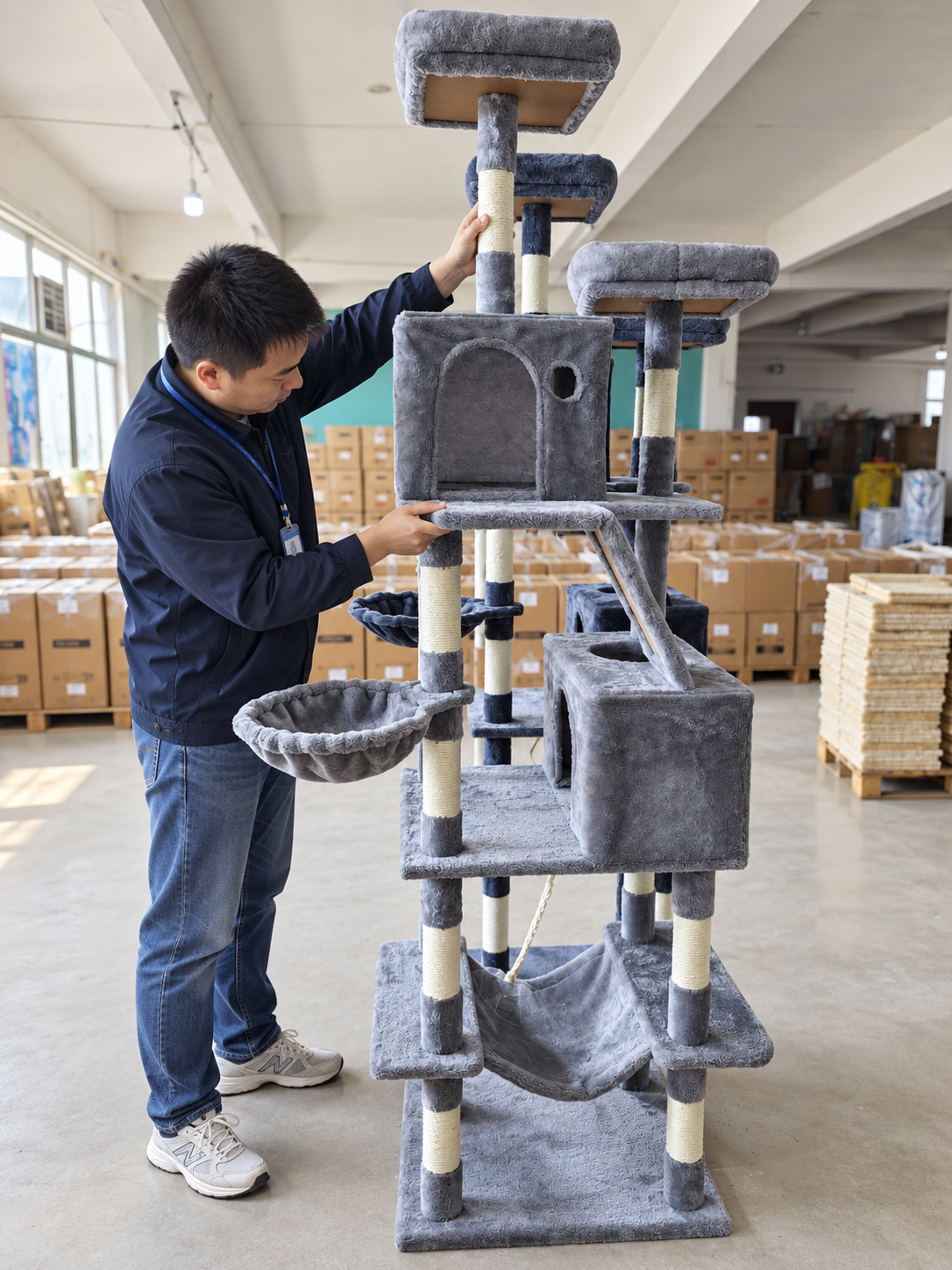
For a knock-down cat tree, review the board-to-post, hole-to-connector, insert-to-bolt, platform-to-support and base-to-post relationships. The component record should make the mating parts visible, while the drawing or manual shows orientation and assembly sequence. Part codes are especially useful where several covered posts look similar but have different lengths or end details.
This is not a structural guarantee. It is a way to define what must match before the assembled sample and representative production units are evaluated. If an interface changes, check the connected component, hardware, manual step and packing identity rather than treating the change as an isolated material substitution.
How Should Buyers Handle Material Substitutions?
A material, finish or component substitution is not automatically unacceptable, but it must be visible and approved where required. A verbal confirmation is difficult to connect to the current sample, drawing, manual and packing record. The substitution record should identify what changed, why it changed, the affected component and the approval status.
- Record the original and proposed material, finish or component reference.
- Identify the affected part and any mating components or hardware.
- Review the impact on color, texture, dimensions, attachment and visible finish.
- Update the drawing, component record, sample status and revision where relevant.
- Check the manual, hardware list, labels or packaging record if the change affects them.
- Name the approval owner, decision and effective version or date.
The Cat Tree Product Development article explains how to control revisions before production. For materials, the key is that the approved substitution becomes part of the current product reference instead of remaining a separate message or an unmarked sample difference.
Where a target market or buyer program requires specific material or compliance documentation, define the requirement in the project specification and support it with applicable evidence. Do not infer CARB, FSC, REACH, RoHS, non-toxic, pet-safe, recycled or sustainable status from a generic material name.
Cat Tree Material Specification Checklist
Use this checklist to close the component record before it becomes the production reference. Adapt the document names and approval owners to the actual project.
- Board, platform and base material references are recorded by component.
- Component length, width, shape and other relevant dimensions are confirmed.
- Thickness is recorded where it is a project requirement.
- Post or core identities, dimensions and end details are recorded.
- Scratching-surface reference, coverage and attachment are confirmed.
- Covering color, texture, seams, edges and openings have an approved reference.
- Hardware identities, counts, finishes and required tools are defined.
- Hole, insert, connector and mating-part locations are documented.
- Component and hardware codes agree with the assembly instructions.
- Substitution and approval requirements are defined.
- The approved sample or other physical reference is identified.
- The current revision is available for production and QC.
Once the material and component specification is approved, production QC can compare representative units with the current reference. The focused Cat Tree Quality Control article covers that inspection handoff without turning this materials guide into a second QC checklist.
How Materials Connect to the Wider Sourcing Process
Materials and interfaces are one part of a cat tree program. Product position, assembled structure, packaging, supplier evidence and production readiness still need their own decisions. The Cat Tree Sourcing Guide provides that broader framework; this article remains focused on the component definitions that feed the specification.
When comparing two product directions, ask whether each material label can be traced to a named component, approved reference and current revision. That creates a more useful comparison than ranking a whole cat tree by one board, rope or fabric term.
Review current cat tree and pet furniture directions when the next step is product or commercial discovery.
Explore Pet Furniture & Cat Trees