
How Buyers Develop Finish Variants for a Private-Label Furniture Family
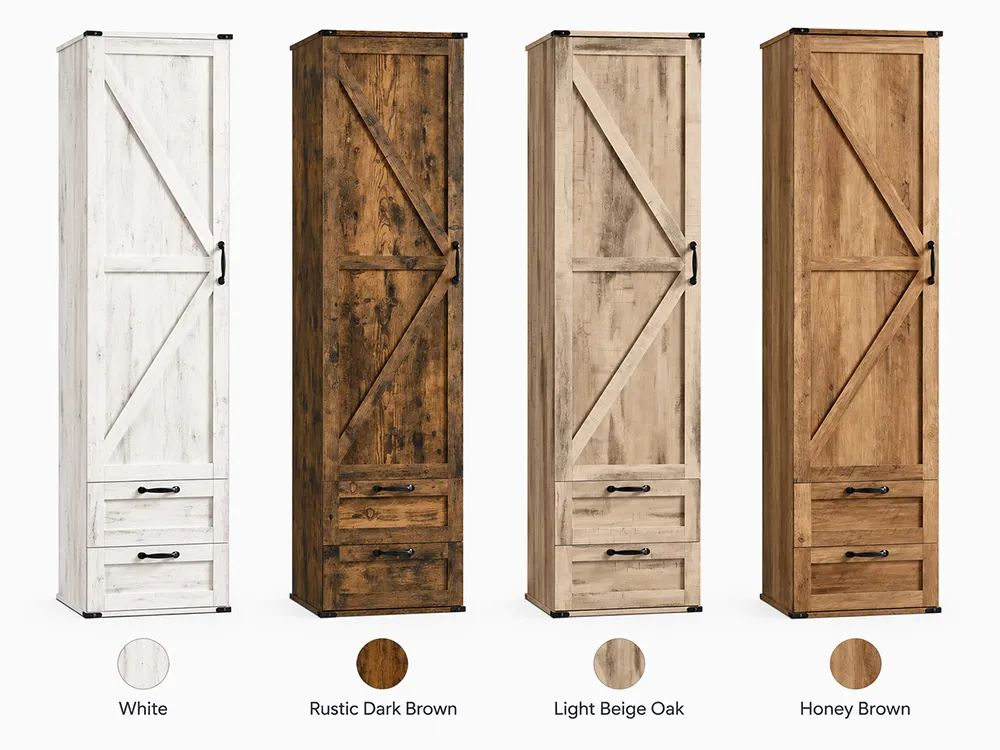
A coordinated finish family can give a private-label buyer several commercial choices around one recognizable product design. The development task, however, is more precise than choosing a set of colors. Each variant needs a controlled identity, an applicable finish specification, a reference for review and a clear relationship to the underlying product revision.
Direct answer
To develop several finish variants from one furniture design, first define the controlled base design, then identify exactly which finish-related fields may vary. Give every variant its own identity and applicable reference, separate appearance from material and process claims, and review any affected drawing, specification, BOM or packaging record before release. An approved sample can anchor the agreed appearance for its stated scope, but it does not prove that all variants share the same materials or that later production automatically conforms.
1. Decide What Stays Fixed and What May Vary
Start with the product state that the proposed family is based on. Record the model or SKU, product revision, principal dimensions, component configuration and intended functions that are being treated as the base design. This creates a comparison point for every variant discussion.
“Base design” should not be used as shorthand for “everything is identical except color.” The buyer may intend to keep geometry, configuration and assembly concept stable, but that intent still needs to be checked against the documents for each proposed variant. A different surface construction, edge treatment or finishing process may affect component references, routing, labels, care information or other controlled fields. Packaging may also require review if a finish changes surface-protection needs or the way parts are identified; that possibility is project-specific, not automatic.
As recommended buyer guidance—not a fixed HOMVND SOP—a practical way to begin is to divide the working specification into three groups:
- Controlled base fields: model identity, product revision, dimensions, component configuration and intended function.
- Permitted finish variables: the fields the project expressly allows to differ, such as color or decor, texture, gloss, grain direction, visible-side scope or a named finish system.
- Fields requiring confirmation: substrate, surface construction, edge material, hardware, BOM, packaging and any performance or compliance evidence not already established for the family.
This separation prevents a visual resemblance from being treated as proof of shared construction.
2. Build a Finish-Variant Specification, Not a Color List
A list such as “black, natural and greige” is useful for assortment planning, but it is not a production-ready specification. A buyer needs to know what each name identifies, which components it applies to and which reference governs the expected appearance.
As recommended control fields rather than a mandatory HOMVND checklist, a working variant record can include:
- family, model and variant or SKU identity;
- applicable product revision;
- surface or finish system, where it is verified;
- color or decor reference;
- texture and gloss, where relevant;
- grain or pattern direction on applicable components;
- edge relationship and visible-side scope;
- approved visual, finish board or physical sample reference;
- approval status, date and any recorded deviations.
The level of detail should follow the product and process. A printed woodgrain panel, a wrapped profile and a coated metal component do not use the same specification vocabulary. Even within one item, different visible components may require different references. The purpose is not to create a universal finish form; it is to make each buyer decision traceable.
Variant identity matters just as much as appearance. An exact SKU or variant code allows drawings, specifications, purchase records, samples and later QC evidence to point to the same item. Informal labels such as “the dark one” or “the new oak” are easy to understand in conversation but weak as controlled production references.
3. Separate Surface Construction, Finishing Process and Appearance
Finish discussions often become ambiguous because several specification layers are compressed into one trade term. Buyers should separate at least four questions:
- What is the substrate or component beneath the visible surface?
- What surface construction or covering is applied?
- What edge treatment is used on applicable edges?
- What appearance and finishing process are actually specified?
A color name answers only part of the fourth question. It does not establish the substrate, surface construction, coating stack, curing schedule or performance. Likewise, terms such as “painted,” “wrapped,” “laminated” or “baked paint” may be incomplete until the supplier identifies the actual product- and process-specific system.
This distinction also prevents unsupported rankings. No finish system is universally better or more durable. Performance depends on the actual substrate, preparation, process, product geometry, use conditions and applicable testing. The buyer can compare documented options for the project, but should not turn a finish name into a general durability conclusion.
4. Define the Reference Set for Each Variant
Every reference has a scope. A rendering or product presentation may communicate intended appearance. A finish board may show color, texture or gloss on a defined substrate. A physical furniture sample may anchor appearance in the context of the assembled product. None of these references automatically proves every other field.
The approval record should state what the reference is intended to control. Useful identifiers include the variant and component, reference number, date, product revision and approval status. Where appearance is sensitive to viewing conditions, the review record can also identify the agreed lighting or viewing context. This is not a universal inspection standard; it is a way to make the project decision reproducible.
Photography requires particular care. Camera settings, screens, compression and lighting can change perceived color and texture. An approved image can support a bounded visual reference, but it should not silently replace a physical sample or material/process record when those are required by the project.
The same logic applies to physical samples. Approval means the sample anchors agreed attributes within its stated scope. It does not by itself establish mass-production conformity, performance-test results or compliance for the finished product.
5. Keep Variant Identity and Documents Aligned
A finish family becomes difficult to manage when one reference is used across several variants without stating which facts are shared. The buyer should maintain a family map that links every variant to the correct product revision and finish reference while leaving unverified fields variant-specific.
When a variant is added or changed, review the documents that could be affected rather than assuming the base record applies unchanged. Depending on the project, this may include the drawing, component specification, BOM, labeling, care instructions, manual, packaging specification and sample register. The review may conclude that a document does not need revision, but that conclusion should be deliberate.
This is especially important when product presentations are created before the full evidence package is complete. A family image can demonstrate intended assortment direction without proving that all displayed variants have an identical BOM, material, hardware, assembly or packaging configuration. The public presentation and the controlled product record serve different purposes.
A simple variant matrix helps. Rows can represent the fields that buyers need to control; columns can represent the named variants. Shared entries should be supported by family-level evidence. If evidence is available only for one model or reference, keep that cell specific instead of copying it across the table.
6. Review Samples and Record Deviations
Sample review should compare the submitted item with the applicable references, not with memory or a nearby variant. Confirm identity first: model, variant, product revision and sample status. Then review the fields that the sample is intended to demonstrate.
For appearance, that may include color or decor, texture, gloss, grain direction, component coverage, edge relationship and consistency between specified visible parts. The relevant checklist depends on the approved specification; this article does not create a universal tolerance or acceptance standard.
Record differences in a way that supports a decision. Separate:
- differences accepted for the approved reference;
- differences requiring correction and resubmission;
- open questions requiring material, process or test evidence;
- fields outside the sample's approval scope.
An accepted deviation should not remain an informal message disconnected from the variant record. If it changes the intended specification, the affected document and reference should be updated or clearly annotated. If it does not change the specification, the review record should still explain how the sample was dispositioned.
Appearance approval must also remain separate from performance and compliance. A visually accepted finish does not establish adhesion, wear, chemical resistance, durability, environmental attributes or regulatory conformity unless applicable evidence covers the identified product, material, method and scope.
7. Control Finish Changes Before Production Reference Release
Late finish changes can be small visually and significant administratively. A new color code may require only a controlled appearance-reference update. A change in surface construction or process may require a broader review of components, edges, care information, samples and applicable evidence. The change type determines the review scope.
Before releasing a production reference, confirm that the variant identity, current specification and applicable sample or visual reference point to the same approved state. Superseded references should remain distinguishable from current ones. Buyers should also define which future changes trigger re-review. Non-exhaustive examples include a new surface supplier, a process change, a different substrate, a revised visible-side scope or a substitution affecting the approved appearance.
The production reference is an alignment tool, not a guarantee. It tells the supplier, buyer and QC team which state is intended. Actual production conformity still depends on applying that reference and generating suitable production and inspection evidence.
8. What Real HOMVND Finish-Family Evidence Shows
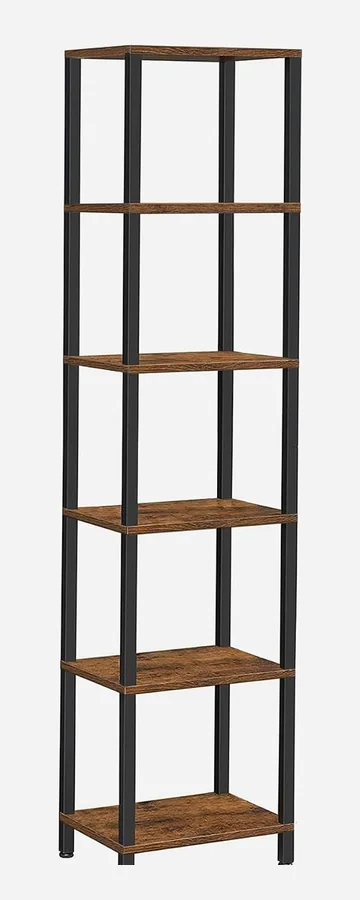
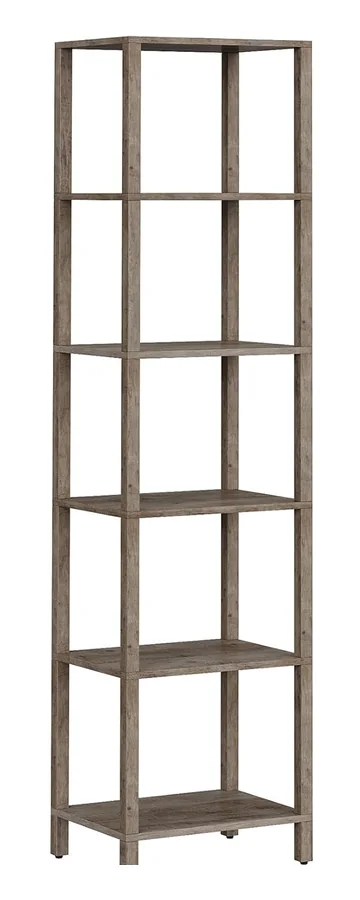
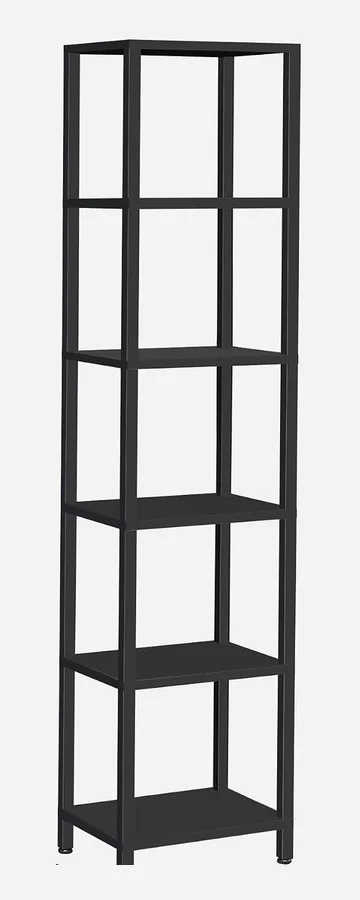

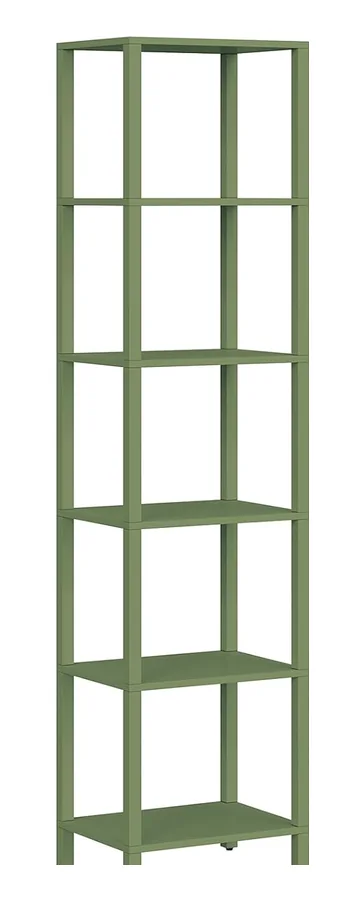
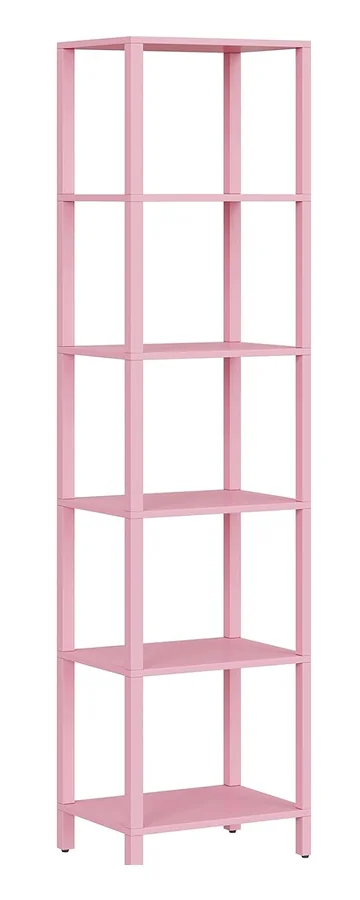
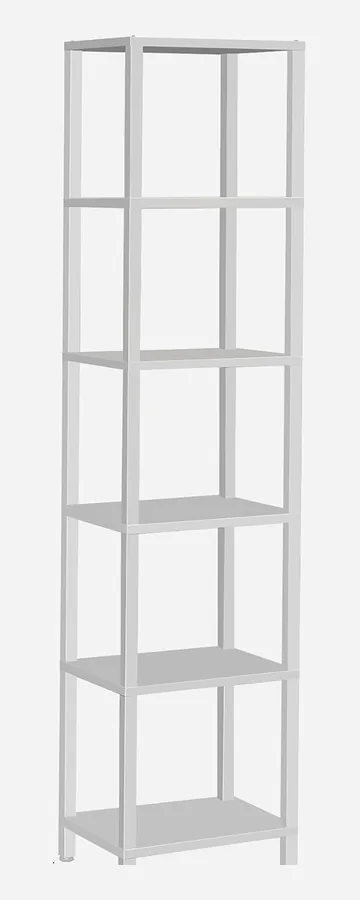
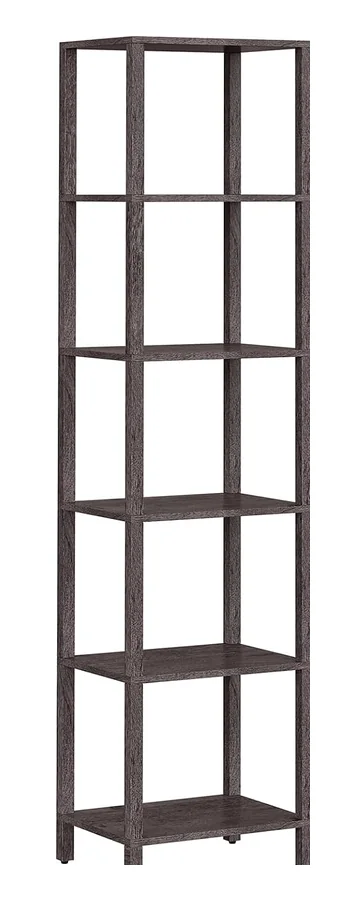
REAL HOMVND EXAMPLE — primary finish-family evidence
Furniture Evidence Case 05 documents one BS01006 six-tier stackable bookcase structure presented in eight exact finish variants: Brown, Pure Greige, Black, Natural, Olive Green, Pink, White and Charcoal Grey. The approved evidence supports those variant identities and the documented structure.
As supporting evidence, Furniture Evidence Case 02 documents one two-tier side-table design, TB01BB034, presented in six finish directions: Black, Brown, Greige, Natural, Olive Green and Pink. The base configuration and assembly are documented in the model manual. The visuals are governed product/finish presentations, not six independently verified production photographs.
Together, the cases demonstrate that one documented base design can be presented as a named finish family and that exact variant identity is worth controlling. They do not prove that every variant shares an identical BOM, substrate, material, hardware, assembly, process, load performance or packaging configuration. They also do not establish a sales, conversion, margin or return outcome.
That boundary is useful to buyers. Strong finish-family management does not depend on making broad assumptions. It depends on knowing which facts are family-level, which are variant-specific and which still require evidence.
Frequently Asked Questions
Is a finish variant just a different color?
Not for specification control. Color or decor may be the visible difference, but the variant record should also identify the applicable surface or finish system, component scope, texture, gloss, grain direction, edge relationship, reference and product revision where relevant. This does not mean every field must differ; it means the buyer should define which fields are fixed, variable or still awaiting confirmation.
Can one approved image define a production finish?
It can support an agreed visual reference within a stated scope. It does not automatically establish substrate, material, process, performance or production applicability. Where those fields matter, they need their own specification and evidence. A physical sample may also be required by the project.
Do approved finish samples guarantee later production consistency?
No. An approved sample anchors agreed attributes for the identified variant and revision. Production records and applicable QC evidence still need to match that reference. Approval should therefore be linked to the current specification rather than treated as a general promise about every future unit.